SafeHome.org may receive compensation from some providers listed on this page. Learn More
We may receive compensation from some providers listed on this page. Learn More
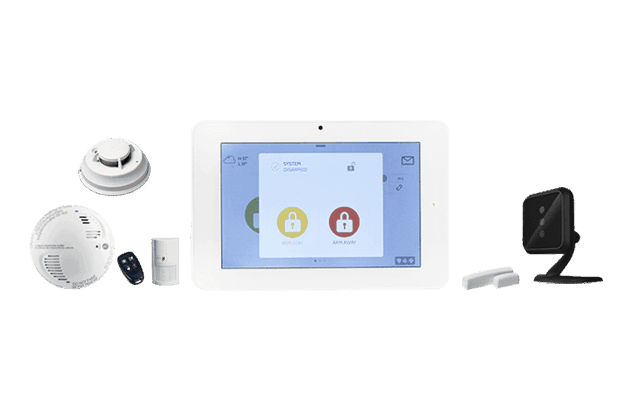
ADT’s cameras from Google Nest coupled with features like Trusted Neighbor and state-of-the-art monitoring make it great for protecting the inside and outside of your home.
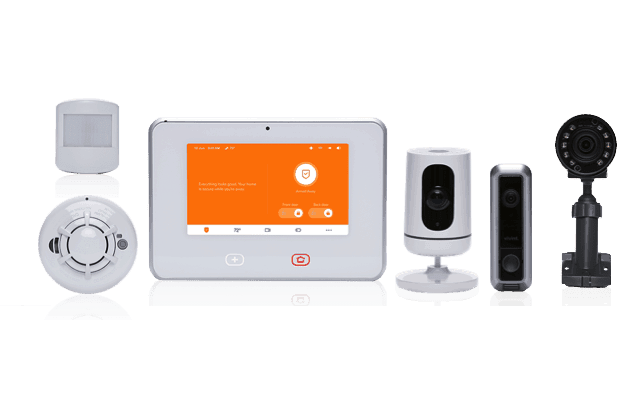
Customizable automations and high-quality equipment – particularly the Outdoor Camera Pro – give Vivint an edge over most security systems when it comes to outdoor protection.
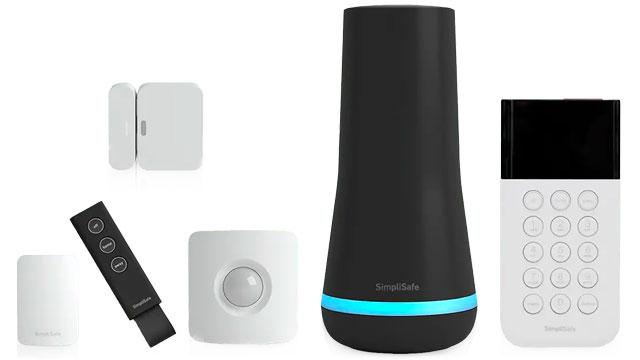
Affordable but scalable, and with optional features like Active Guard Outdoor Protection, SimpliSafe provides outdoor security very few security systems can match.
Home security systems are designed to protect homes, and that should include the outside of your house. Most companies offer equipment like outdoor security cameras. These cameras alone provide a solid foundation, but if you're reading this, you're likely looking for comprehensive perimeter security that goes beyond basic surveillance. Well, we have just the right recommendations for you.
We tested and evaluated four security systems that stand out for their outdoor protection capabilities — going well above industry standards. ADT brings state-of-the-art monitoring and smart outdoor cameras to the table. Vivint uses home automation to elevate its security capabilities, and SimpliSafe delivers serious muscle with its Active Guard Outdoor Protection feature. Rounding out the list is Arlo — a brand built entirely around exceptional outdoor camera performance. Let’s find out which option is best for you.
From Anthony Travaglia, Retired Police Officer, Home Security Expert
>> Related: Buying Guide for Home Security Cameras
We’ve learned the best way to make unbiased and trustworthy recommendations is by testing home security systems ourselves. We buy the equipment with our money, install the systems in our homes, and test them for weeks and sometimes months. This approach means we can get a feel for what it’s like to live with the security system and accurately assess the response times, apps, and features. We then use these experiences to finalize our recommendations.
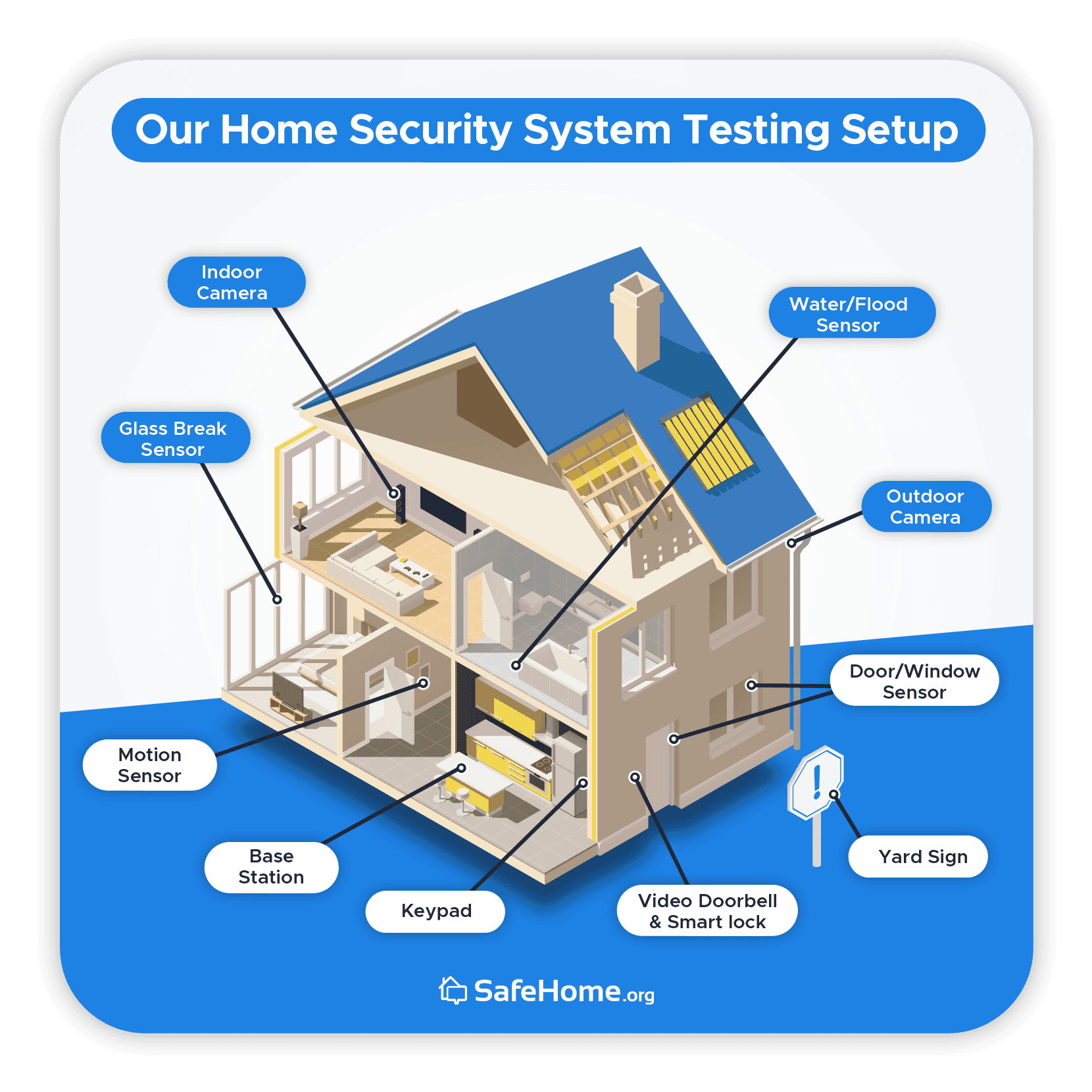
Many factors impact testing home security systems, but we have found ways to make like-for-like comparisons. For example, all equipment is tested in the same house – a two-story, 2,200-square-foot home with a decent-sized front and back yard and single-car garage. Using a real house owned by one of our experts instead of a lab means we can simulate real-life situations and make better recommendations.
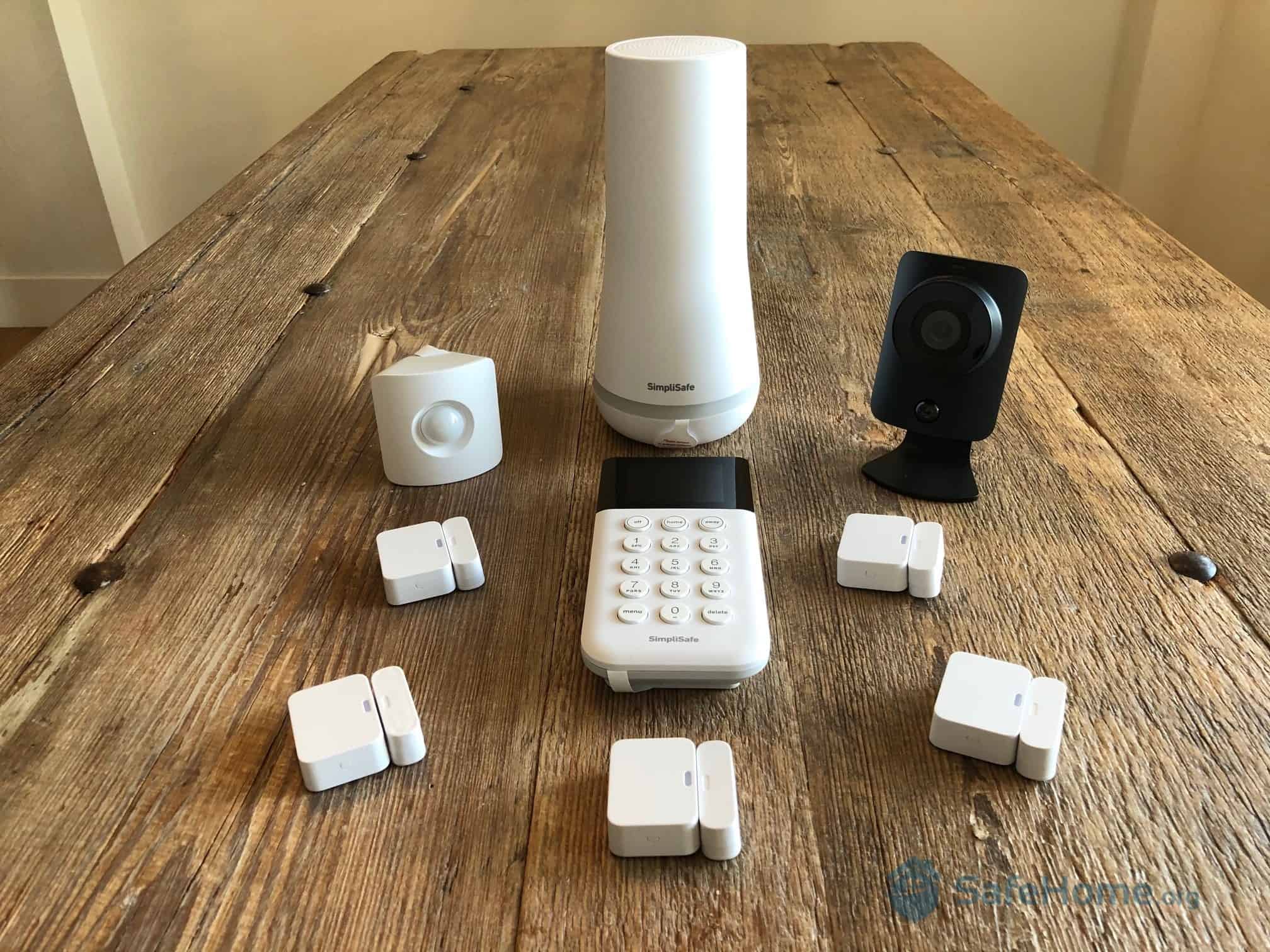
We also buy the same devices for every security system and install them in identical locations. You can see what our usual testing setup looks like below.
There are multiple criteria we had to consider when choosing the best outdoor security systems. Using our knowledge and experience in the industry, these are the factors we believe are the most valuable:
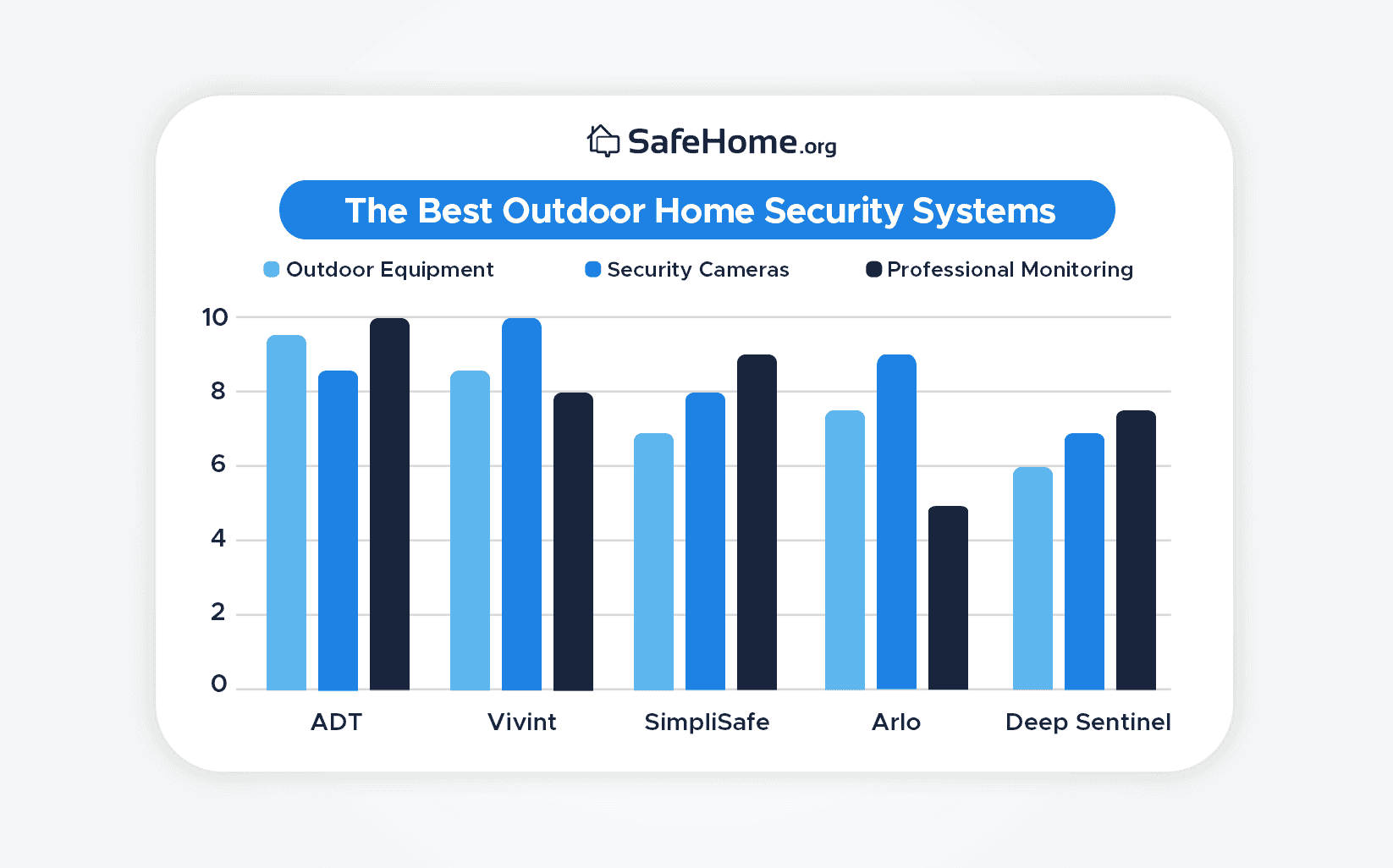
Using these criteria, here is how we scored our top five picks:
Rating the Best Outdoor Home Security Systems
Our team of experts exclusively covers security and safety equipment. That means you won't find reviews on everything from denim jeans to mesh routers on our site, unlike other review sites out there. We have honed our craft in evaluating security systems so our readers get reliable and honest recommendations. The team who contributed to this review includes:
We have over 75 years of combined experience, making us the most accomplished home security team on the internet. Since 2016, SafeHome.org has been featured in multiple major outlets, including The Washington Post and The New York Times. As a team, we have achieved:
Every recommendation we make comes from first-hand product experience and a deep understanding of the security industry. Now, let's find out more about our top picks.
In our experience, ADT offers excellent, high-quality equipment paired with one of the most reliable professional monitoring services in the industry. It has multiple monitoring centers backing each other up. We were also impressed by how it leverages security camera AI. On top of deterring trespassers, it can also grant access to trusted visitors through features like facial recognition and smart alerts. ADT is the most well-rounded security system to protect your home inside and out, especially if you’re looking for full-service professional monitoring.
ADT packages include security cameras from one of the top brands today – Google Nest – featuring person, pet, and vehicle detection as well as facial recognition. As smart as they are, though, they’re not the most rugged. We suggest planning your outdoor camera placement well if you’re going with ADT because the Nest Cam (battery), Nest Cam with Floodlight, and Nest Doorbell – the outdoor-capable models – are not completely waterproof.1 With their IP54 rating, they can handle a bit of dust and small splashes of water, but it’s best to keep them away from torrential downpour.
FYI: What’s an IP rating? The first digit refers to how well it can stand up to solids (dust particles), while the second one refers to its resistance to water.2 In security cameras, IP68 is the highest we’ve seen.
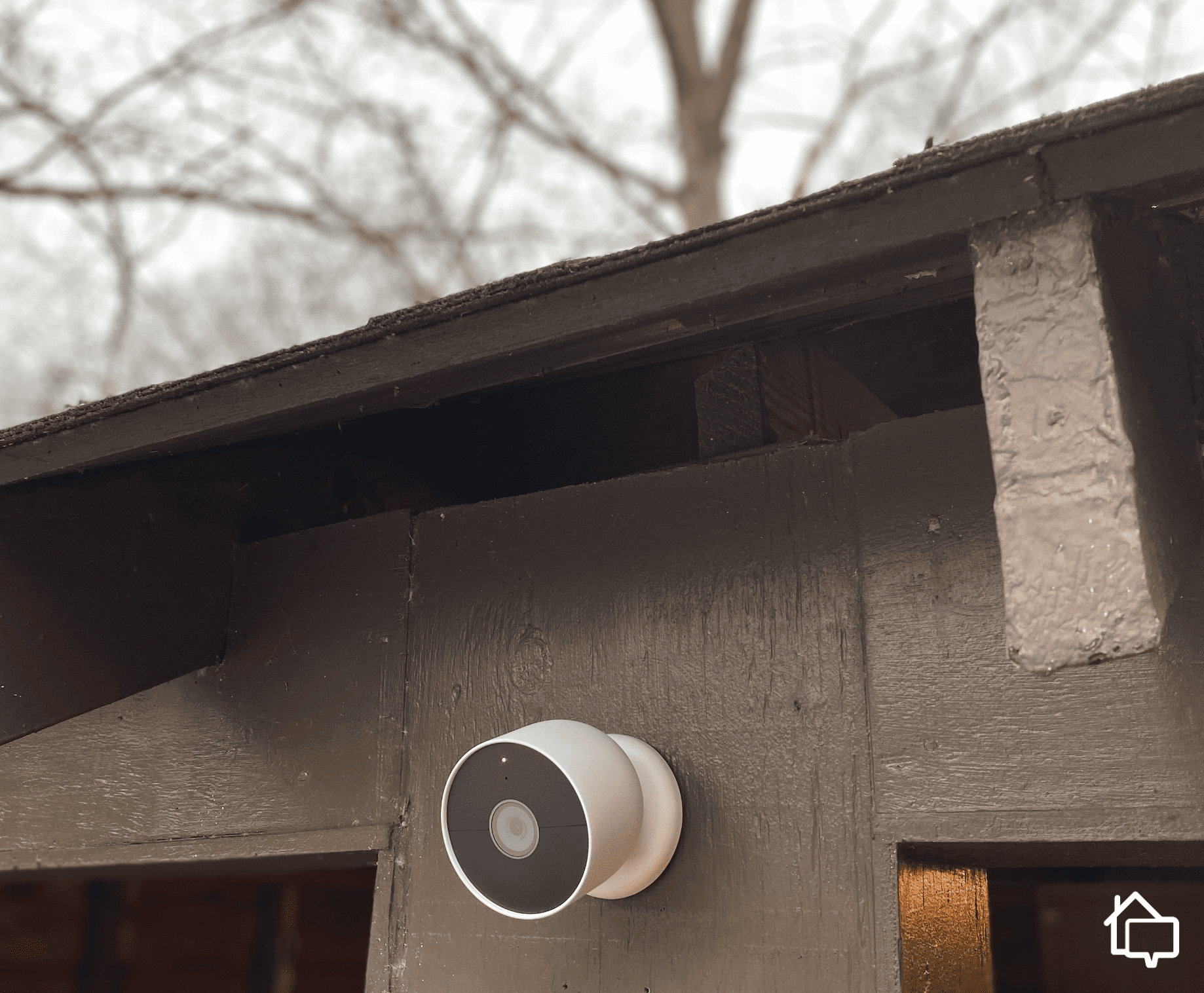
In testing the Google Nest cameras, however, we found them quite hardy. They don’t feel plastic-y and cheap like the $30 Wyze Cam we tested recently. As long as you can keep them shielded from direct rain, they should be able to hold up well. We had our ADT technician install our Nest Cam (battery) under an eave.

My Nest Cam is mounted above my front door for the best coverage.
They might not be the most rugged option out there, but ADT’s security cameras bring some of the most advanced features we’ve tested. Facial recognition stands out as the clear highlight, and we can say that with confidence since we’ve tested the Nest Cams separately and found it to be one of their strongest capabilities on its own. Paired with an ADT system, that same facial recognition unlocks something even more useful: Trusted Neighbor.
Picture a trusted pet sitter who comes by every day at 3 p.m. Instead of stopping what you’re doing to let them in manually, you can teach the ADT camera to recognize their face, and Trusted Neighbor handles the rest, automatically unlocking the door whenever the right conditions are met. You set those rules yourself, whether that means restricting access to certain time windows or tying it to a specific trigger event, like smoke detection. In our own testing, we set this up for our dog walker, who stops by daily around 3 p.m. Trusted Neighbor only unlocks the door for her between 2:45 and 3:15, and it held to that window reliably throughout our testing period.
FYI: ADT’s direct partnership with Google automatically makes it the best Google-friendly security system. It’s the only system that pairs directly with Google Nest equipment, especially now that Nest Secure has been discontinued.
Professionally installed ADT systems typically require a three-year monitoring contract. Self Setup systems only require one month of monitoring, then you can DIY it from there for free. Plans for professional monitoring start at $24.99 per month. For systems with cameras, you’ll need the Complete plan at $39.99 per month. That plan also gives you access to Trusted Neighbor, facial recognition, and home automation features. Note that monitoring for professionally installed systems costs $10 more per month.
We’d like to highlight SMART Monitoring, which is a function included in ADT’s monitoring subscriptions. Not everyone who enters your property is a threat – it could be a postman delivering your mail or a neighbor kid offering to mow your lawn. With SMART Monitoring, ADT sends everyone in our household group text alerts before raising the alarm. That way, we can have a meeting and collectively verify or waive off alarms, preventing false alarms. As they say, it’s the small things.
FYI: ADT’s response times were also pretty fast in our experience. SMART Monitoring alerts arrive 5 to 10 seconds after a sensor is triggered, and if no one responds immediately, they’ll give the point person in the household a call. We clocked in phone alerts at about 30 to 45 seconds after a sensor was triggered.
| Equipment Cost | Packages starting at $599 |
|---|---|
| Monitoring Options | Professional |
| Monitoring Cost | Starting at $49.99 per month |
| Contract Length | Monthly or 3 years minimum |
| Installation Options | Professional |
| Smart Platform Integration | Alexa and Google Home |
Vivint requires signing a long-term contract, professional monitoring, and professional installation, but in our testing, it proved well worth the commitment. That’s especially true if top-notch equipment, particularly the outdoor camera, and genuinely customizable automation matter to you. For outdoor security specifically, that automation turned out to be a real game-changer. We set up our system to turn on the living room lights the moment the outdoor camera detected a threat, creating the impression that someone was home and meaningfully strengthening our overall security posture in the process.
The Vivint Outdoor Camera Pro – one of the three Vivint security cameras we tested – anchors Vivint’s outdoor security. It’s a rugged outdoor camera that can survive sub-zero winter temperatures and hot summers. It’s also IP65 weatherproof, much better than ADT’s IP54 Nest Cams. We just wish Vivint’s doorbell camera was as rugged. It’s only rated IP33, so it’s not ideal for homes without a porch.

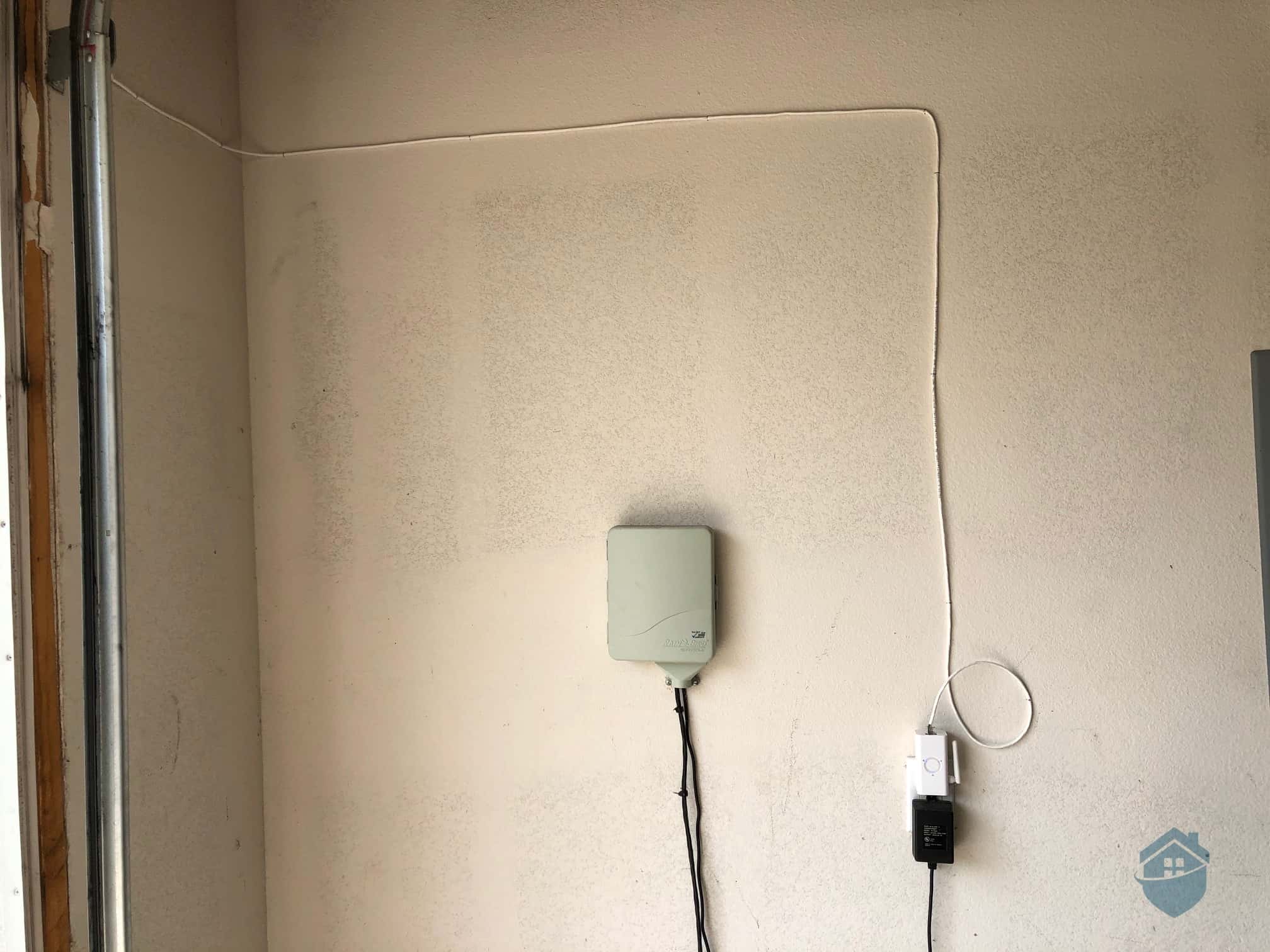
Vivint Outdoor Camera Pro Wiring
On the bright side, we liked how the Vivint technician installed our outdoor camera. You don’t need a strong Wi-Fi signal outdoors. The technician drilled through our exterior wall and ran a 15-foot Power over Ethernet (PoE) cable through the hole. At the end of the cable is a power adapter with a Wi-Fi bridge built in. In our case, we only needed a strong Wi-Fi signal in the garage – which we already had – to make sure our Vivint outdoor camera got a solid connection.
>> Read More: The Best Security Systems for Homes With A Garage
FYI: The Vivint Outdoor Camera doesn’t have a built-in spotlight, but you can purchase the Spotlight Pro attachment to give it one. It’s a bit bulky when you put the two together, especially compared to SimpliSafe’s compact, spotlight-equipped outdoor camera, but the Spotlight Pro gives your Vivint outdoor camera automatic, motion-activated spotlight.
Vivint, in our experience, ranks among the best security systems for automation, and that extends to outdoor equipment too. Take the outdoor camera as an example. When we reviewed Vivint, we used the app to set exactly when the camera’s built-in warning LEDs and chime should trigger. The automation we built looked something like this: if someone steps into the detection zone while Smart Deter is active, play a soft chime; if they linger longer than 15 seconds, flash the LED ring red and play a whistle tone. Few systems we’ve tested let you get that granular with automation rules.
That said, we think the Outdoor Camera Pro runs a bit overpriced. On specs alone, it’s comparable to the Arlo Pro 4 we reviewed, yet it costs noticeably more. Still, the depth of automation Vivint offers may justify that premium for the right buyer. When we compared Vivint and ADT side by side, the gap in camera automation was obvious. Even on more basic systems, the typical automation amounts to a light turning on when motion is detected, nowhere near the layered, condition-based rules Smart Deter allows.
FYI: The built-in LED ring on the Vivint Outdoor Camera Pro isn’t bright enough to illuminate anything, but it’s enough to get the attention of trespassers. If you want motion-activated lighting, though, you can also set up automations that link compatible Z-Wave smart bulbs with the camera’s motion detection.
When it comes to monitoring, Vivint’s plans are fairly straightforward. You get a custom plan with the features you want starting at $24.99 per month. For cloud video storage and home automation features, you’ll pay around $49.99 per month. We highly encourage using Vivint’s home automation to further improve your security. Even simple custom notifications – like reminding you to close the front door if you left it open for more than 30 minutes – can help.
As for performance, we appreciate Vivint’s reliability. It’s a cellular-based system, which means it can send alerts to the monitoring centers even if your internet is down. Response times are impressively fast. Text-based alerts come in within 10 seconds of a sensor being tripped, and phone alerts arrive within about 45 seconds.
Something to Consider: Unlike ADT that sends text-based alerts in a group chat, Vivint sends texts only to the household’s designated point of contact.
| Monitoring Options | Professional only |
|---|---|
| Installation | Professional |
| Smart Platform Integration | Alexa and Google Home |
| Equipment Cost | Starting at $199.99 |
| Monthly Monitoring Cost | From $24.99 |
| Contract Length | 60 months |
SimpliSafe's Active Guard Outdoor Protection feature enhances your outdoor security cameras with live agent monitoring. Agents can speak through the camera's built-in speaker and microphone, activate its light, or trigger its siren to warn off potential intruders after the camera's built-in AI detects a threat. It's one of the most proactive deterrent features we've seen in a DIY system, and in our testing, the response felt fast enough that an actual intruder would have little time to react before an agent's voice cut through the silence.
The SimpliSafe Outdoor Security Camera can withstand jets of water and gusts of dust. It has the IP65 rating to prove it, similar to the Vivint Outdoor Camera Pro. What sets it apart from the Vivint outdoor camera is that it’s battery-powered. There are pros and cons to that, but we know that some people prefer battery-powered cameras. Particularly as part of a DIY system, the lack of wires makes the SimpliSafe camera a breeze to set up. We were able to install it in under five minutes, while it took our Vivint technician almost an hour to set up the Vivint Outdoor Camera Pro.
That said, the SimpliSafe Video Doorbell is the opposite of wireless – it’s hardwired! That means you need existing doorbell wires to install it, and the process can take 15 to 30 minutes. The doorbell is pretty durable though, with an IP65 rating. So, if you have an exposed doorbell without cover from the elements, you might want to go with SimpliSafe instead of Vivint.
>> Compare: SimpliSafe vs. Vivint
The SimpliSafe outdoor camera’s retail price of $199.99 already represents solid value. Bundle it with a SimpliSafe package and you’ll likely get a big discount or even get the camera for free.
While the camera prioritizes simplicity, our testing revealed that SimpliSafe nailed every core feature. We could fully customize the motion detection zone, so it only monitored our property, ignoring the sidewalk past our front lawn. It also offers a people-only detection mode, which filters out pets and vehicles to further reduce false alerts.
As much as we like the camera, it only truly shines as part of a complete SimpliSafe system. Beyond the optional Active Guard Outdoor Protection, we value its automatic recording feature that activates whenever any SimpliSafe sensor triggers. This coordination provides comprehensive visual documentation of security events, giving you the complete story of what happened during any alarm activation.
Bad News: Using the SimpliSafe Outdoor Camera alongside a SimpliSafe security system isn’t just a recommendation, but a requirement. The camera doesn’t work without a SimpliSafe system in place.
Active Guard Outdoor Protection requires at least the Pro plan at $49.99 per month. This gets you overnight coverage. For 24/7 coverage, you’ll need the Pro Plus plan at $79.99 per month. Of course, lower tier plans are available starting at $9.99 per month. You can also self-monitor for free.
FYI: We tested the Pro plan for a couple of months, and we think the overnight (between 8 p.m. and 6 a.m. local time) Active Guard Protection is enough for most homes. Keep in mind that the time limit applies to that feature in particular only; SimpliSafe will still monitor your other sensors and equipment 24/7 no matter which professionally monitored plan you end up with.
In our experience, SimpliSafe responds to alerts with minimal delay. During our break-in simulations, our outdoor camera came alive within five seconds of us entering the detection zone. We heard the live agent speak not a second later. Even without Active Guard, though, SimpliSafe is still fast. Text alerts similar to Vivint’s arrived in 5 to 10 seconds, while phone alerts came in within 30 seconds – even faster than ADT!
>> Compare: SimpliSafe vs. ADT

| Monitoring options | Professional and DIY |
|---|---|
| Installation | Professional and DIY |
| Smart platform integration | Alexa and Google Home |
| Equipment cost | Packages starting at $250.96 |
| Monthly monitoring cost | From $22.99 |
| Contract length | Monthly |
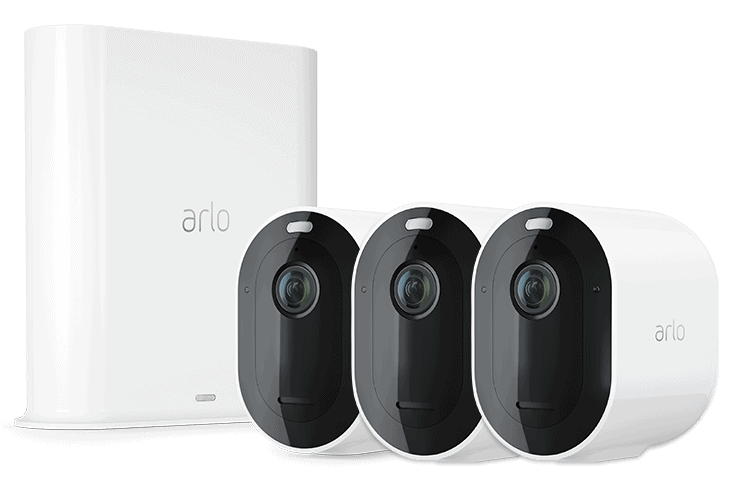
Arlo has built its reputation on seriously good security cameras, and that reputation hasn't wavered. For outdoor protection specifically, cameras are your first line of defense — and this is exactly where Arlo shines. While they may not match Vivint's home automation depth, the specs, durability, and smart detection features of Arlo's cameras are genuinely tough to compete with.
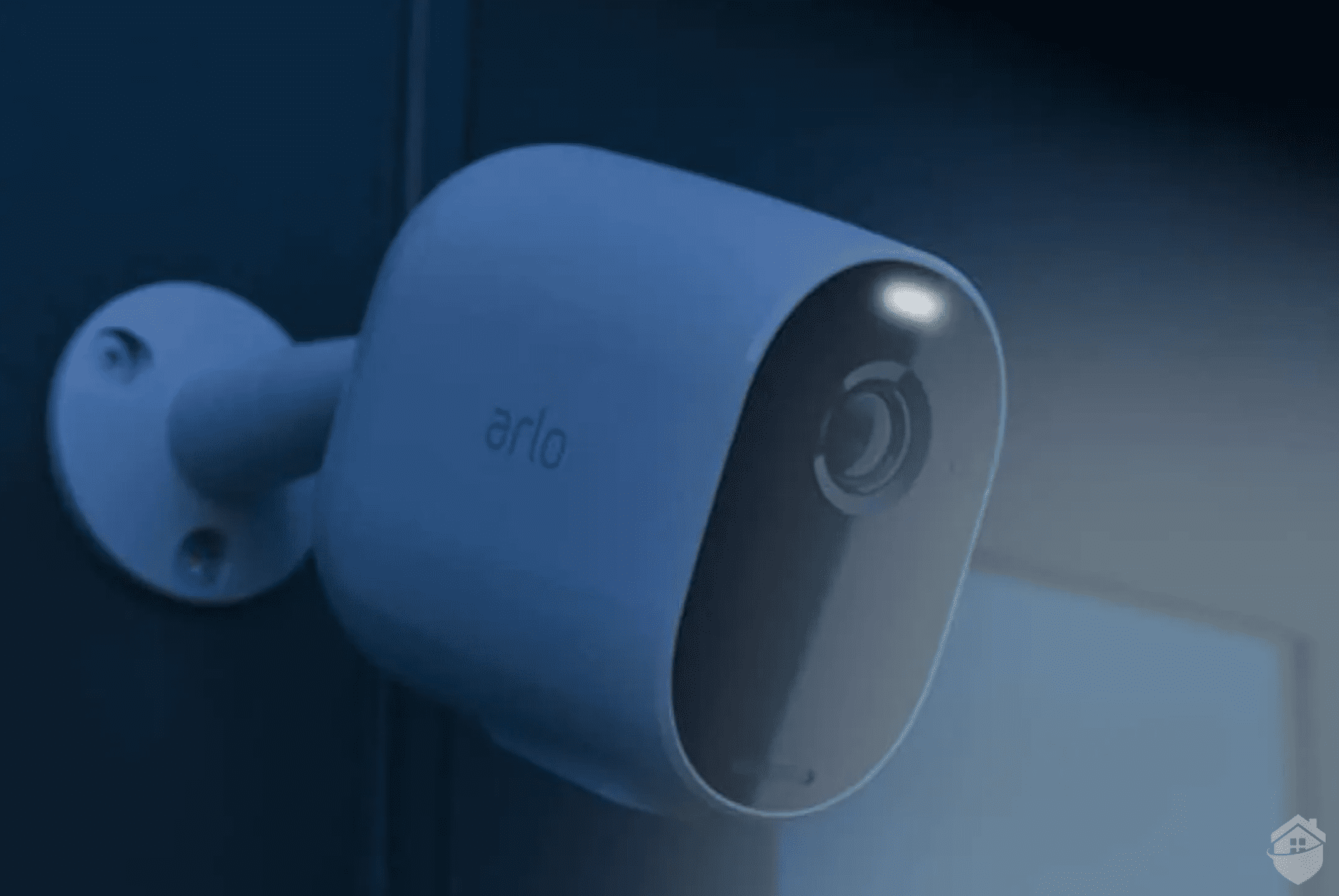
Arlo offers a wide range of weatherproof outdoor cameras, all rated at least IP65 for dust and water resistance. The Essential lineup delivers up to 2K resolution, the Pro series steps things up with a wider field of view and advanced motion detection, and the Ultra line tops it all off with exceptional 4K resolution. No matter which you pick, you’ll get durable cameras built for outdoor use.
Most Arlo cameras are battery-powered, which is a major part of their appeal. In our tests, the Arlo Pro 6 outlasted the SimpliSafe outdoor camera by a significant margin. It ran for up to eight months on a single charge compared with just two and a half months for the SimpliSafe camera. That makes Arlo an excellent choice for hassle-free, long-lasting outdoor monitoring.
>> Compare: Arlo vs. SimpliSafe
FYI: Arlo offers more doorbell camera options than SimpliSafe, Vivint, and ADT. Arlo has a wired option as well as a battery-powered option.
The Arlo Pro 6 is a 2K QHD spotlight camera featuring a 160-degree field of view, customizable activity zones, and person detection. It’s a solid performer that Arlo prices at just $124.99 — making it one of the better value picks in Arlo’s camera lineup.

The Arlo Pro 5S has a small but bright motion-activated spotlight.
The Arlo Go 2 is another great option, although it’s not for everyone. The reason we say that is because it’s a camera that doesn’t rely on Wi-Fi but on 4G/LTE signals instead. That’s perfect if you’re protecting a remote cabin or outdoor property without internet access, but unnecessary for homes with Wi-Fi. It can be quite expensive, too, because, on top of the $199.99 equipment fee, it requires a data plan from a supported carrier service. Still, it’s one of the very few security cameras that can work without Wi-Fi.
>> Read More: Best Security Systems for Rural Areas
For outdoor cameras, self-monitoring is the standard approach as Arlo’s professional monitoring plan requires their security system. We still recommend opting for the Arlo Secure Plus plan. It starts at $7.99 per month for one camera or $17.99 per month for unlimited cameras. Both plans unlock 30 days of cloud storage, advanced object detection, and activity zones.
If you also purchase the Arlo security system, professional monitoring is available through the Arlo Secure Premium plan starting at $24.99 per month. This also adds 24/7 emergency response services. If you want 24/7 video recording as well, that’s available as an add-on for a total price starting at $39.99 per month.
>> Further Reading: The Best Home Security Mobile Apps
| Connectivity | Wi-fi, Ethernet |
|---|---|
| Power | Wired, battery, PoE |
| Field of View | Up to 180° |
| Resolution | Up to 4K (2160p) |
| Storage | Cloud |
| Smart Platform Compatibility | Alexa and Google Home |
When it comes to outdoor security, there’s another brand that might be worth looking into called Deep Sentinel. Deep Sentinel’s cameras are some of the best we’ve seen, and the outdoor security they provide is quite unique. T They blend AI-powered detection with live video monitoring by trained security guards. This creates a surveillance experience that feels like having personal protection watching over your property 24/7. That is one of the best outdoor protections you can get.
So why isn't it our top pick? That level of protection comes at a premium — a monthly service fee starting at $99 for a single camera professionally monitored. Additionally, Deep Sentinel doesn't offer other types of security equipment beyond outdoor cameras. We strongly recommend securing the inside of your house with sensors that can detect intrusion and hazards like fire and gas leaks.
Cameras, sensors, and motion detectors are just a few of the devices that can secure your property. But there are dozens of other useful pieces of equipment to integrate into your home security system for extra protection, whether they come from one of the companies mentioned above or third parties.
Pro Tip: Not all home security systems play well with others. To check whether yours is compatible with IoT equipment, look for “Z-Wave,” “Zigbee,” or “IFTTT” integrations. And, make sure to take a peek at our roundup of the best IFTTT home security systems to maximize your home automation possibilities.
From Anthony Travaglia, Retired Police Officer, Home Security Expert
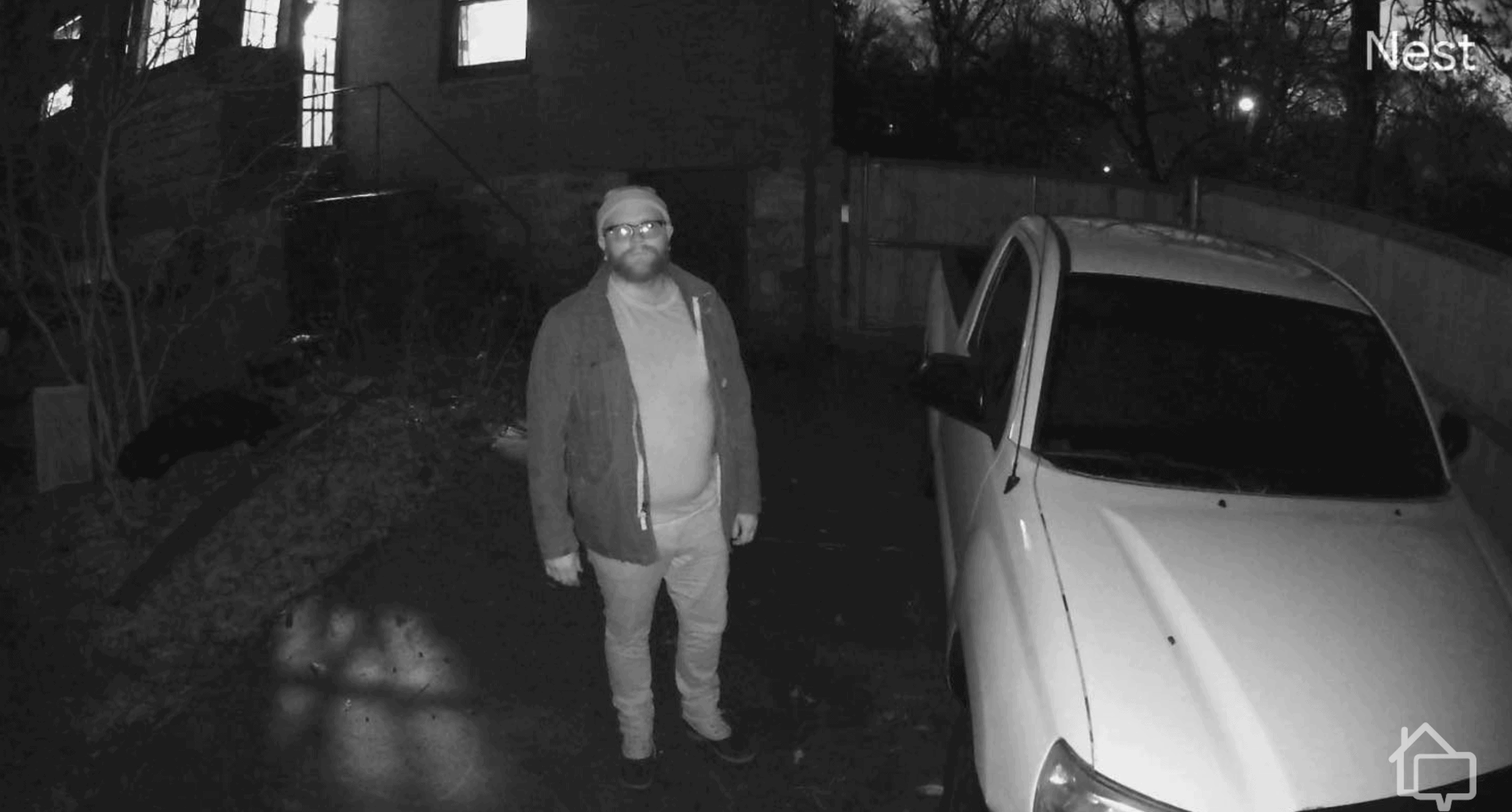
Don’t be alarmed, I’m just testing out the Nest Cam night vision.
We’re big believers in the power of technology to keep your home (and the surrounding property) safe. But, sometimes, the simplest solutions are the best. Here are a few security measures you can take that don’t require a master’s degree in machine learning to understand.
Did You Know? Drowning doesn’t look like it does in the movies. A person might be in trouble if they’re upright in the water without using their legs, they have a panicked expression, or their hair is covering their face.4
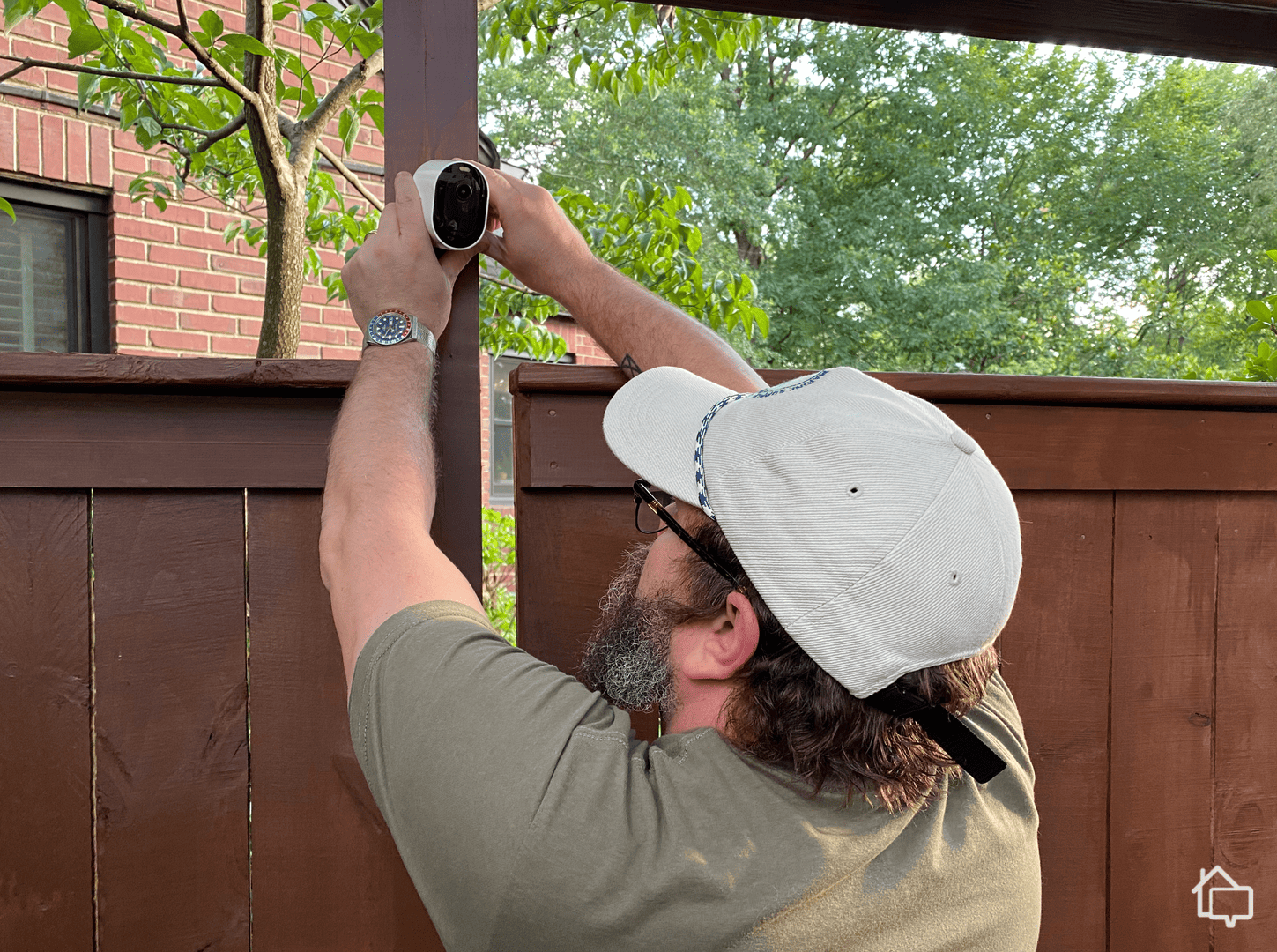
Mounting my Arlo Pro 4 on my back fence.
One of the biggest challenges to extending a security system outdoors? Power. Your home is full of outlets and charging ports. Your yard probably isn’t. Good thing you still have options.
FYI: Wired cameras don’t necessarily mean using electricity. You can also power them using internet cables. Check out our article on the Best PoE Security Cameras for some options.
From Anthony Travaglia, Retired Police Officer, Home Security Expert
There is no shortage of threats that can affect us outdoors. Natural disasters. Wildlife. Nasty neighbors. Car accidents. Our research revealed:
Any of those things could hit us in our backyard (or front yard, for that matter). Our Emergency Prep Guide can help you secure those areas of your home, but you also need a security system with strong outdoor protections. ADT tops the list with its smart cameras and reliable professional monitoring. Vivint's home automation features, SimpliSafe's live guard monitoring, and Arlo's impressive lineup of outdoor cameras are all excellent choices too. Whichever direction you go, make sure you take a balanced approach — protect the inside just as much as the outside. Our top recommendations excel at both.
It depends. A quality security camera battery should last somewhere in the ballpark of three to six months. Low signal strength, cold weather, and lots of activity could drain it faster.
Most security systems are designed to cover indoor and outdoor space. Since not every device works outside, check for an IP65 or higher rating before installing a component.
Yes, if you’re strategic about device placement. The trick is to buy enough security camera equipment to cover your property. Then, install them in high-traffic areas like your driveway, front porch, and backyard.
There are myriad ways to keep your yard safe. Start simple: Get a gate. In addition to that low-tech solution, you can also bring in some devices for extra help. Security cameras are a no-brainer, but don’t forget about floodlights too.
After extensive testing, we found Vivint was the best outdoor security system of them all. But ADT, SimpliSafe, and Arlo are still great options.
Google Store. (2024). Inside Nest Cam.
https://store.google.com/product/nest_cam_battery_specs?pli=1&hl=en-US
International Electrotechnical Commission. (2024). IP ratings.
https://www.iec.ch/ip-ratings
U.S. Centers for Disease Control and Prevention. (2026). Drowning Facts.
https://www.cdc.gov/drowning/data-research/facts/index.html
RNLI. (2017, March 24). How to recognise drowning: It’s not like the movies.
https://rnli.org/magazine/magazine-featured-list/2017/march/how-to-recognise-drowning-its-not-like-the-movies