SafeHome.org may receive compensation from some providers listed on this page. Learn More
We may receive compensation from some providers listed on this page. Learn More
SafeHome.org may receive compensation from some providers listed on this page. Learn More
We may receive compensation from some providers listed on this page. Learn More
Our top choice, ADT Self Setup, comes with reliable equipment and access to ADT SoSecure app’s features like roadside assistance and automatic crash detection to protect your home away from home.
 Updated July 1, 2026
copied!
Updated July 1, 2026
copied!

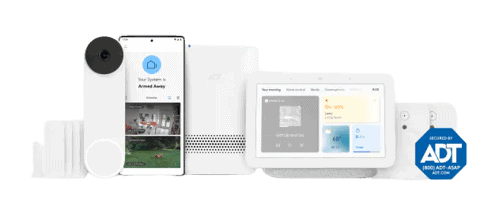
ADT Blu’s wire-free cameras and peel-and-stick sensors make it one of the few security systems that can realistically travel with you. Pair that with ADT’s six-center monitoring network available on a month-to-month plan, and you get professional-grade protection wherever you park for the night.

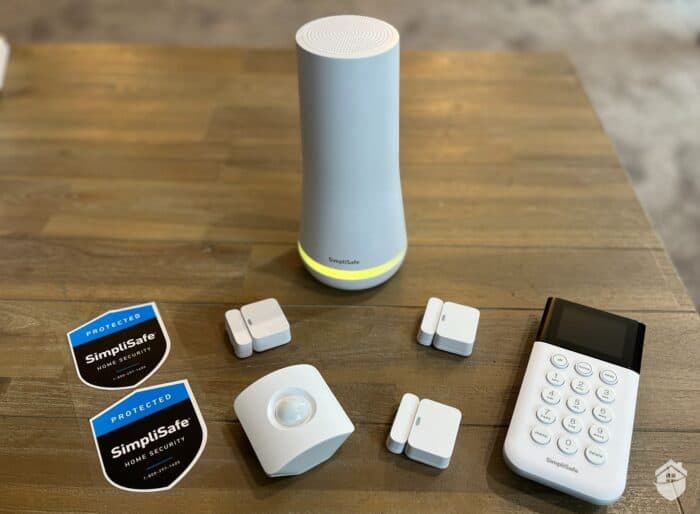
SimpliSafe’s low-cost, DIY security system makes it perfect for homes and recreational vehicles. You can have your system up and running in less than an hour. Plus, you’ll save money with a self-monitoring plan so you can grab more road snacks.

Cove equipment is affordable and easy to install. You can also count on your RV security system to stay online wherever there is a cellular signal and be operational for up to 24 hours without a power source.
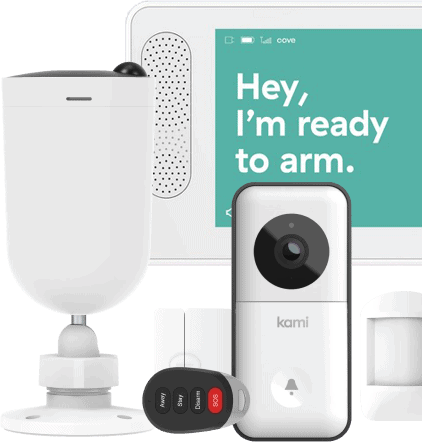
Want to beef up your RV's security? Sure, your RV might come with an alarm that blares when someone tries to open a door or break a window. But if you want to take your security to the next level, you’ll want to add cameras, glass break sensors, and motion detectors.
The good news is that some of the best home security systems are also suitable for RVs. Our top pick, ADT Self Setup, even gives you access to features that can benefit you while cruising down the highway. But SimpliSafe and Cove are also great alternatives if you’re looking for self-monitoring options or affordable, reliable equipment. Let’s take a look at each security system to see which one you should hitch to your RV.
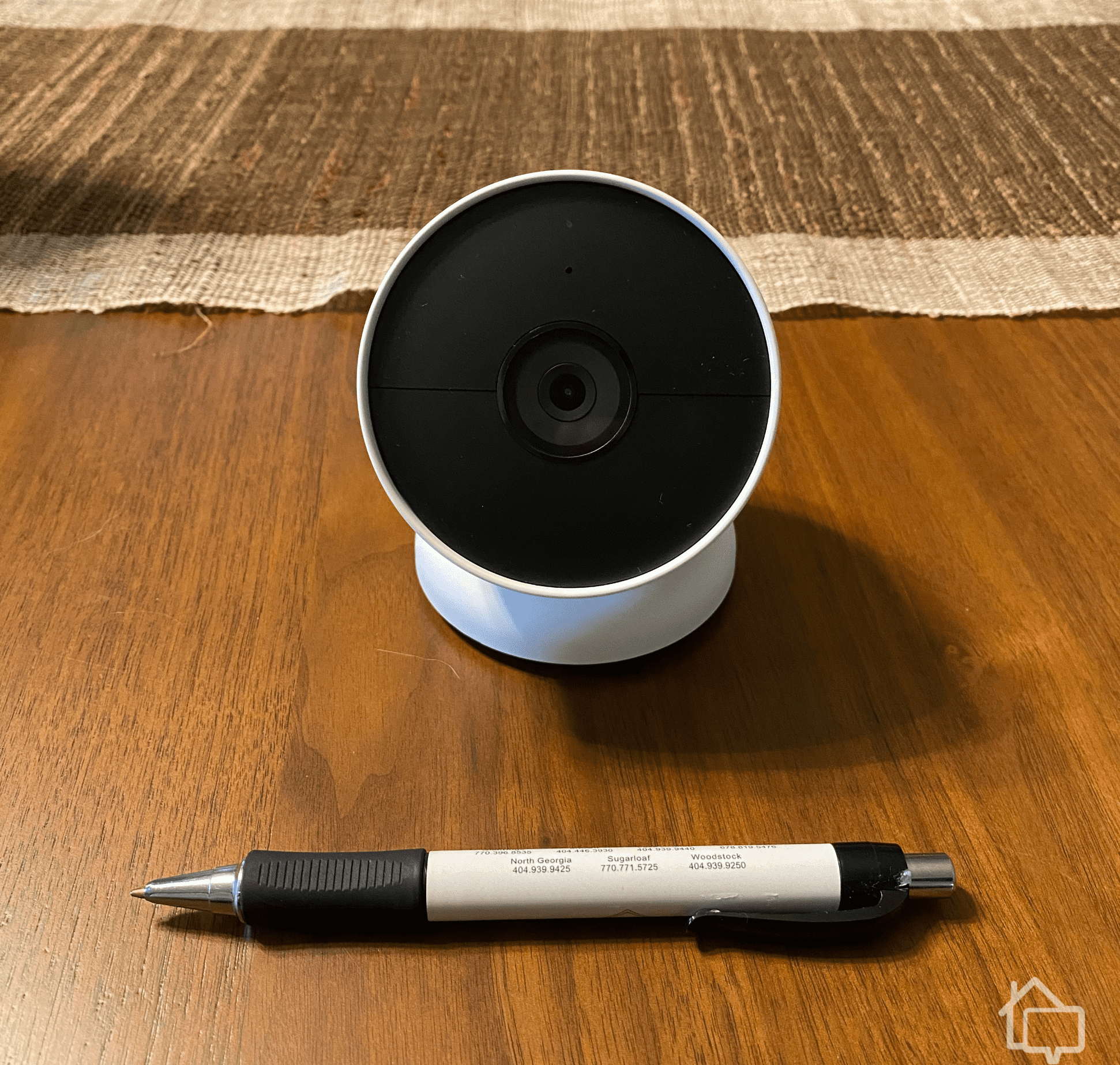
The Google Nest Cams that come with ADT Self Setup are the perfect size for an RV.
In our experience, the best way to give you trustworthy security system recommendations is by testing the equipment ourselves. To do that, we buy all the products ourselves, set them up in our homes, and live with them for weeks or months at a time. Through this rigorous approach, we can thoroughly compare the devices, assess the quality of the service, and evaluate how well they provide protection.
Testing security systems requires consistency, so we standardize our approach to ensure fair comparisons. While we didn't install these systems directly in an RV, we set them up in our home testing environment and evaluated features particularly relevant to recreational vehicles—such as weather resistance, equipment size, and power efficiency.
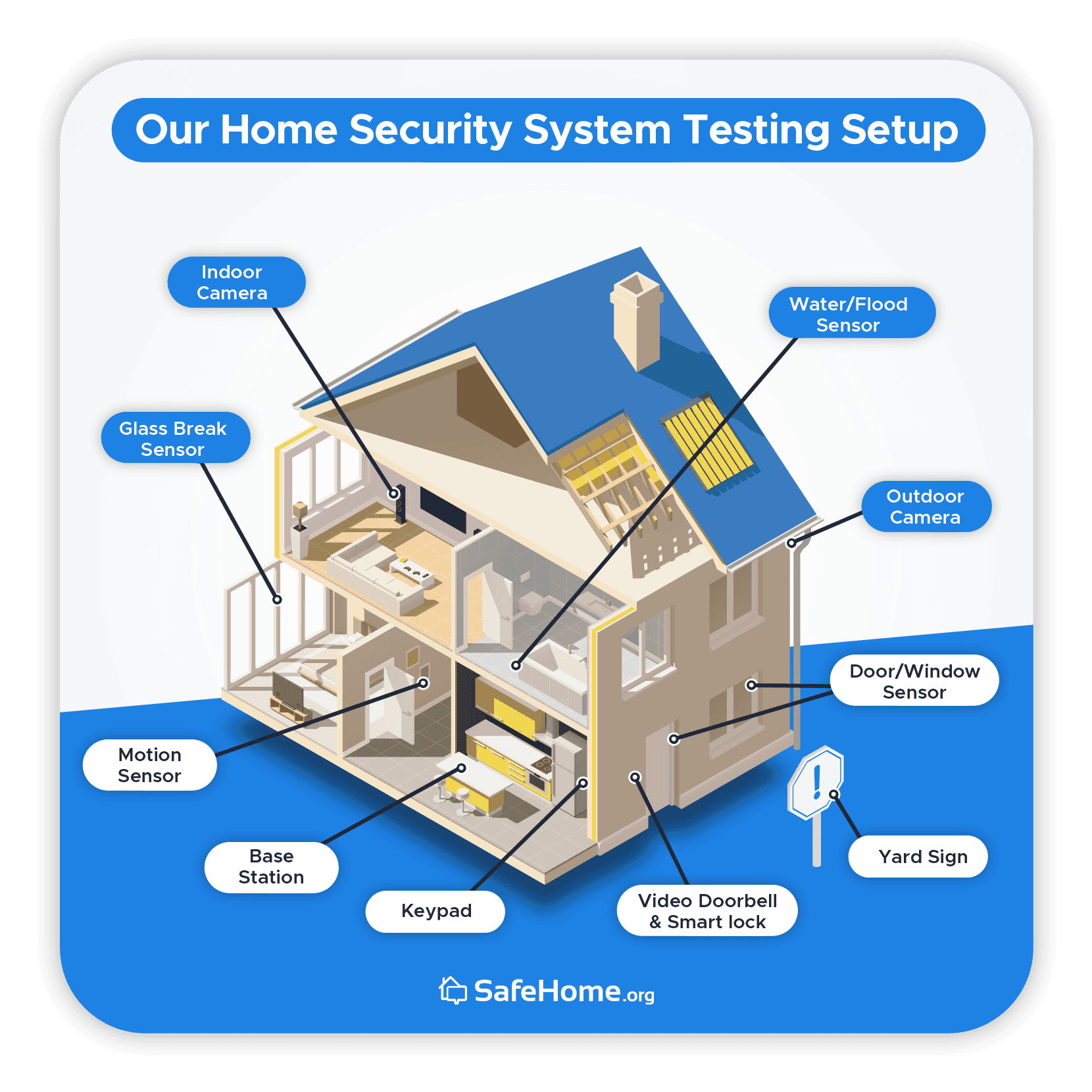
We've found that real-world home testing produces more reliable results than controlled lab environments. All systems were installed in identical locations to benchmark their performance accurately. Here's our standard testing configuration:
Drawing on our security expertise, we identified the most critical factors for RV security systems. These criteria reflect what matters most when protecting a mobile home:
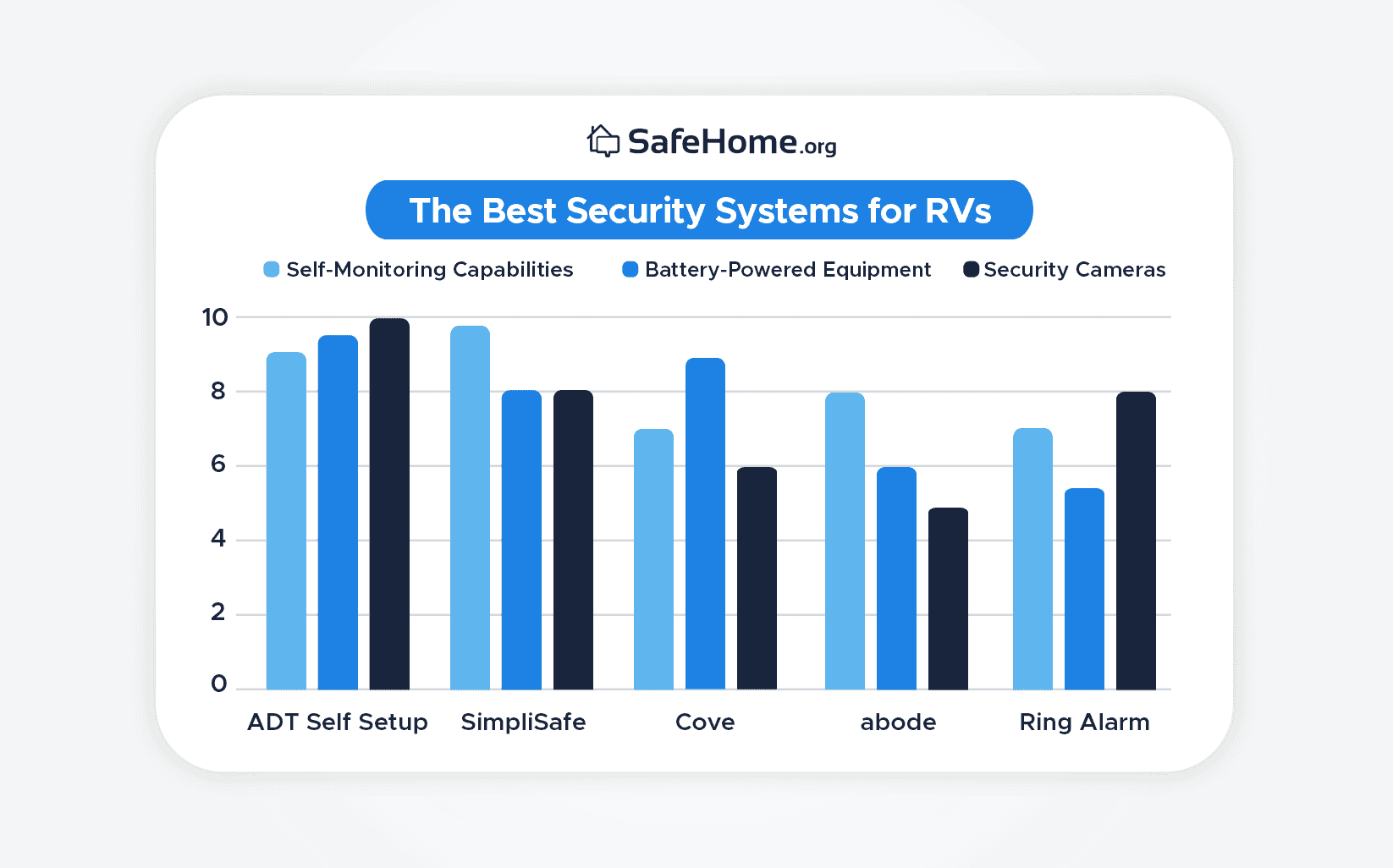
Rating the Best RV Security Systems
We’re not like other review sites that test everything from laptops to doormats. Our team of experts only focus on home security and personal safety topics. They are dedicated to rigorously reviewing and assessing home security systems. The people behind this guide include:
We are the most experienced home security team on the internet. Our people have been testing security systems since 2016, and our work has been in The New York Times, The Washington Post and dozens of other major outlets. Collectively, our experts bring to the table
Every recommendation is based on first-hand product experience and a deep understanding of the home security industry. Now, let’s take a look at the best security systems for RVs in 2026.
| System |
ADT
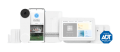
|
SimpliSafe

|
Cove Security

|
|---|---|---|---|
| Ranking |
1st
|
2nd
|
3rd
|
| SecureScore™ | 9.3 | 9.3 | 8.8 |
| Best For | Full-Time Travelers | DIY Installation and Monitoring | Budget-Friendly System |
| Installation | DIY | DIY or Professional | DIY or Professional |
| Monitoring | Self-monitoring or Professional | Self-monitoring or Professional | Self-monitoring or Professional |
| Warranty | 1 Year | 1 Year | 1 Year |
| Review | ADT Blu Review | SimpliSafe Review | Cove Review |
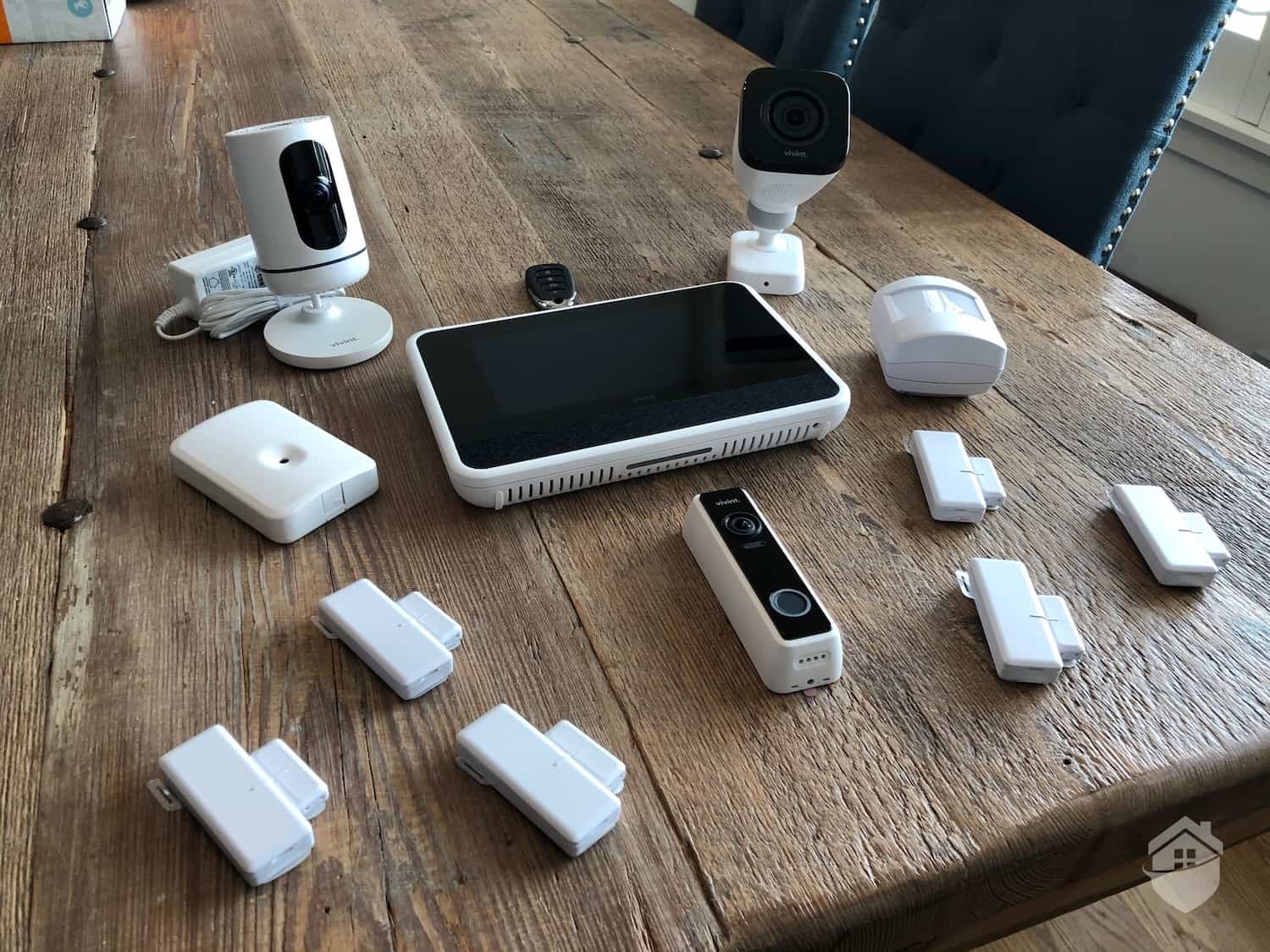
ADT Blu is ADT's purpose-built DIY platform, and it's a natural fit for RV owners who need security that moves with them. Wire-free cameras, peel-and-stick sensors, and app-guided setup mean you can have a system up and running in under 40 minutes without drilling a single hole into your RV walls. Everything connects through the ADT+ app, which gives you live camera feeds, motion alerts, and direct access to ADT's monitoring network from wherever you're parked. Monitoring starts at $9.99 per month for self-monitoring with cloud storage, and you can upgrade to professional monitoring when parking your RV — backed by ADT's six redundant centers — on a month-to-month basis with no contract required.
ADT Blu uses its own camera lineup — separate from the Google Nest cameras available through ADT’s professionally installed systems — and it’s well-suited for RV life. The ADT Blu Outdoor Camera ($89.99) runs on a rechargeable battery with no wiring required, making it easy to mount outside your RV and just as easy to take down when you move on. The ADT Blu Doorbell Camera ($109.99) is equally portable, with a 180-degree field of view that covers your RV’s entrance and the surrounding area. Both cameras deliver 2K HDR video with smart detection for people, animals, vehicles, and packages, and both carry an IP65 weather rating — enough to handle everything from Arizona dust storms to a rainy stretch in New Orleans.
Beyond cameras, ADT Blu’s sensor lineup covers the essentials without taking up much space. Door and window sensors use peel-and-stick adhesive mounting, the motion detector ignores pets up to 85 pounds, and ADT also offers a smoke and carbon monoxide detector that connects to the same ADT+ app and monitoring network as the rest of your system. Everything is wireless and battery-powered, so there’s no dependency on your RV’s electrical system. We tested the full ADT Blu lineup over several weeks and found the equipment held up well across changing conditions — the adhesive backing on the sensors stayed firm through temperature swings that typically cause cheaper mounts to lose their grip.
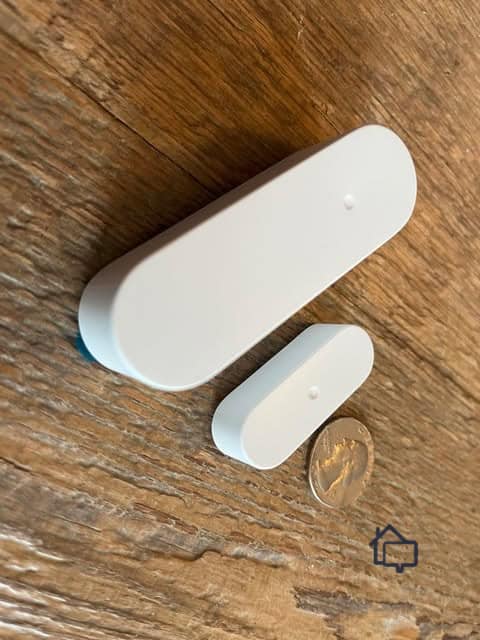
The size of ADT Blu’s entry sensors
ADT Blu’s Build Your Own system starts at $249, which includes the ADT Base, three entry sensors (for doors, windows, and cabinets), and a motion sensor. From there, you add only what you need — the ADT Blu Outdoor Camera is $89.99, the Doorbell Camera is $109.99, and the Indoor Camera is $69.99. Motion detectors run $40 and door/window sensors are $20 each. For an RV, a practical starter setup might include the Outdoor Camera, the Indoor Camera, and the starter kit — bringing your total to around $400 before any promotional discounts, which ADT runs frequently.
On the monitoring side, ADT Blu is a strong fit for full-time RVers precisely because it doesn’t require professional monitoring. Self-monitoring plans start at $9.99 per month for camera-only setups, which activates 30-day cloud recording and full ADT+ app access. It goes up to $14.99 if you have a full system with sensors. It’s one of the best self-monitored systems we’ve tested. For professional monitoring, prices start at $24.99 per month for systems without cameras, and $34.99 for those that do.
Pro Tip: Professional monitoring doesn’t work when you’re on the road, but you can use it when your RV is parked during the off-season. And since there are no contracts, you can go back to self-monitoring before hitting the road again.
ADT Blu’s peel-and-stick sensors and wire-free cameras mean installation leaves no trace on your RV’s walls or surfaces — we repositioned our Outdoor Camera twice during testing to find the best angle, and it took less than five minutes each time. That portability extends to the full system. When you’re done with a campsite, everything comes down as easily as it went up. The ADT+ app is your primary control interface on the road — arming and disarming the system, reviewing motion alerts, and pulling up live camera feeds are all a tap away regardless of where you’re parked.
The smarter approach for RV travelers is to match your monitoring plan to your situation. When you’re actively traveling — moving between campsites, parking overnight at rest stops, or spending time in locations where a fixed address doesn’t apply — self-monitoring is the practical choice. Alerts go directly to your phone, and you contact local emergency services yourself if something triggers. When your RV is parked at a permanent or semi-permanent location, upgrading to ADT Blu’s professional monitoring plan ($34.99/mo with cameras) gives you ADT’s six redundant monitoring centers behind your system, averaging 28-second response times in our testing. Because ADT Blu has no contract, switching between the two as your situation changes costs nothing and takes only a few minutes in the app.
For travelers who want an extra layer of personal safety on the road, the ADT+ app unlocks additional features when a professional monitoring plan is active — including SOS alerts that connect you directly to an ADT monitoring agent, roadside assistance with towing and maintenance coverage, crash detection that can notify authorities automatically, and enhanced location sharing so trusted contacts always know where you are.
| Connectivity | Wi-Fi |
|---|---|
| Power | Wired and battery |
| Field of View | Up to 180º |
| Resolution | Up to 2K |
| Storage | Limited local, cloud included |
| Smart Platform Compatibility | Alexa and Google Home |
SimpliSafe pioneered self-monitoring back in 2006 and continues to be the standard-bearer for other DIY monitoring companies like abode and Ring. There's no charge for self-monitoring, and you can still access livestreaming and receive instant alerts when an alarm is triggered. You can also subscribe to their cloud storage plan for $9.99 per month and give up to 10 cameras access to 30 days of video history. That’s more than enough coverage for an RV. The equipment is also effortless to install. It took us less than 30 minutes to set everything up. Like ADT Blu, SimpliSafe security systems are customizable. The only mandatory devices are the base station and keypad.
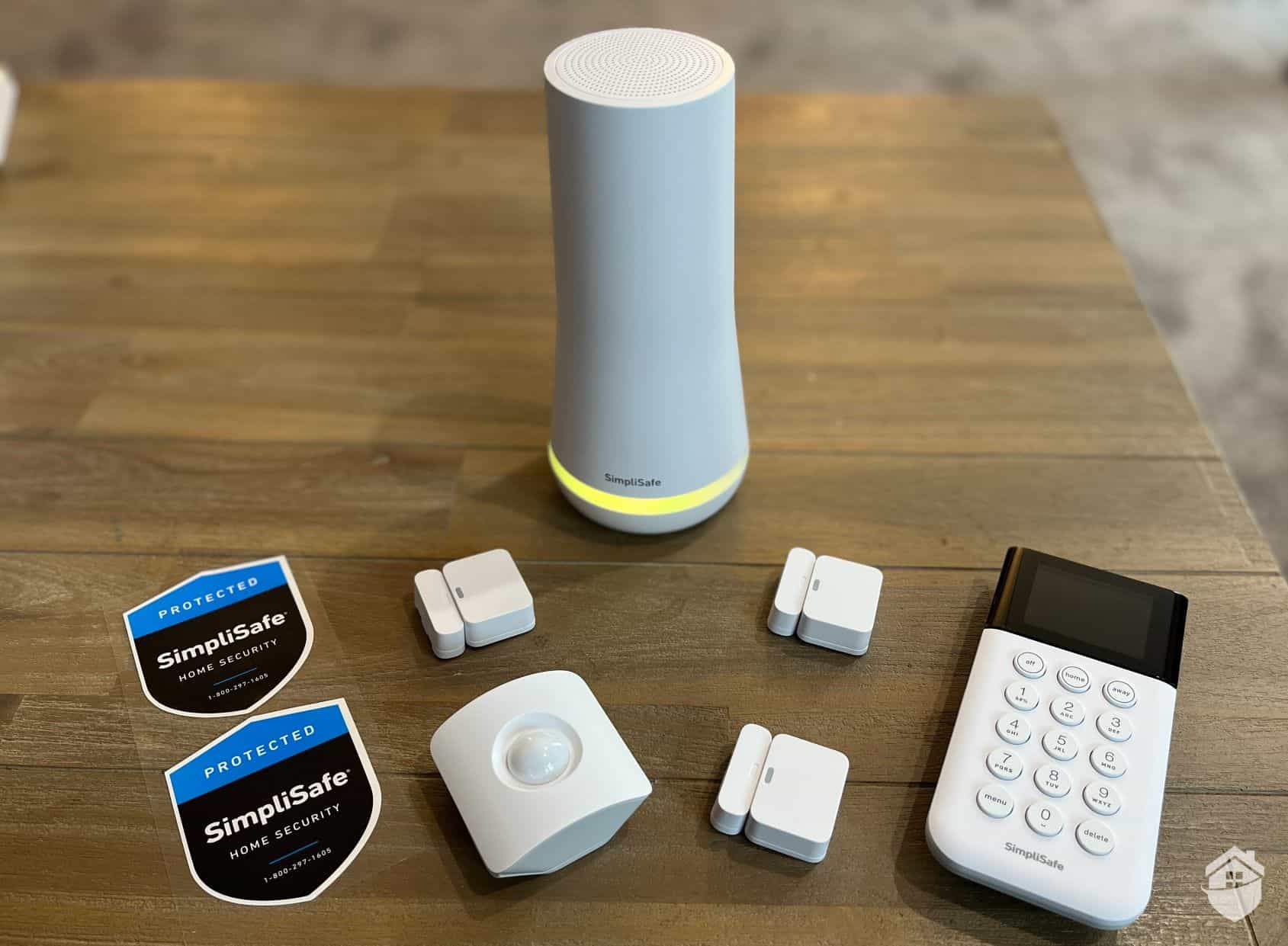
We chose the equivalent security equipment to our ADT Blu system to compare apples to apples. We liked the SimpliSafe hub better than the ADT Blu hub. SimpliSafe’s hub has a nicer look and a soft glow when it’s online, whereas ADT’s base station is a sticky cylinder that’s handy for storage but could also be confused for a portable air purifier.
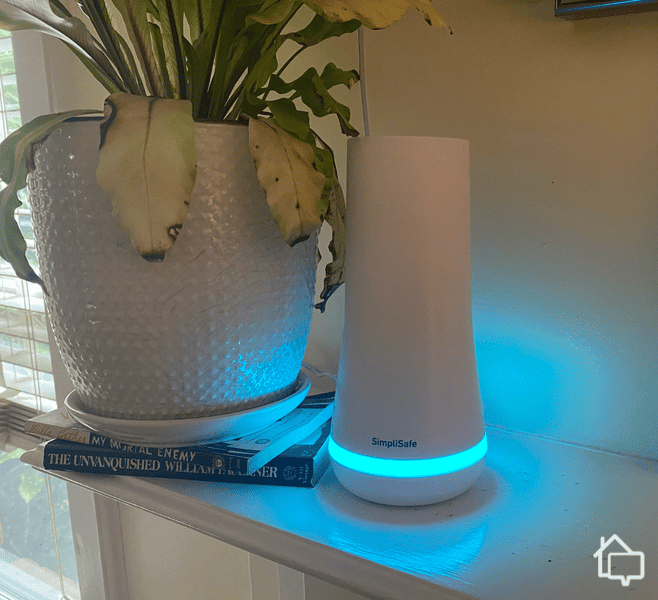
The SimpliSafe base station looks more decorative than other hubs we’ve tested.
The rest of the equipment is straightforward to set up, though components run slightly larger than ADT’s offerings. The camera lineup remains compact—just an indoor option plus one outdoor model. Battery life on the wireless outdoor camera has improved, now lasting up to six months on a single charge.
SimpliSafe offers budget-friendly premade packages starting around $250. However, we suggest building a custom system tailored to your RV’s layout—it’s often more cost-effective, especially when SimpliSafe runs frequent promotions.
FYI: Keep an eye out for SimpliSafe’s seasonal sales. The company regularly offers significant discounts and free equipment bundles during major shopping events like Black Friday.
Similar to ADT Blu, SimpliSafe lets you choose which devices to monitor with granularity. It lets you subscribe to a standalone self-monitoring plan for just $9.99 per month. This plan supports cloud recording for up to 10 cameras, sends smartphone alerts, enables live streaming, and gives you full app control—including arming and disarming your system remotely. You can also self-monitor the system for free, although keep in mind that cloud storage isn’t included in the free plan. So at a minimum, we recommend the $9.99 cloud recording plan.
SimpliSafe’s security system stood out for its straightforward installation and user-friendly management. We subscribed to the Self-Monitoring with Camera Recordings plan, which included an indoor and outdoor security camera. Whenever a sensor or camera picked up motion, we received instant notifications on our phone and could pull up a livestream to check what triggered the alert.
The outdoor camera’s built-in spotlight proved especially useful for identifying movement in the dark. Most alerts came from curious animals foraging nearby. When the spotlight activated, the animal would typically freeze, glance directly at the camera, then disappear into the darkness. SimpliSafe’s self-monitoring plans gave us complete control over our system, and we appreciated knowing we could easily expand our setup with additional equipment if needed.
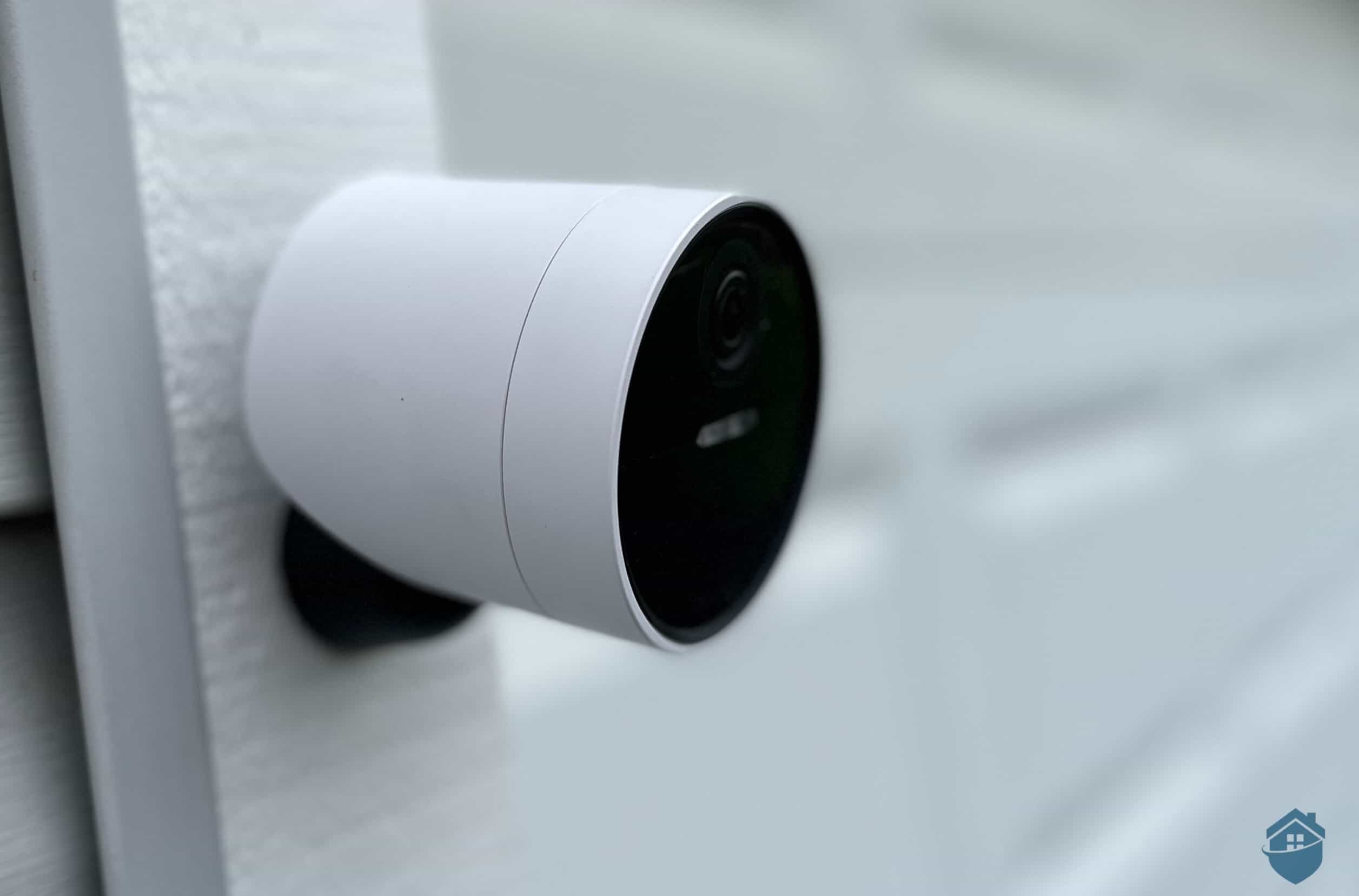
SimpliSafe’s Outdoor Camera has a motion-activated spotlight to scare away animals and intruders.
| Connectivity | Wi-Fi |
|---|---|
| Power | Hardwired |
| Field of View | Up to 150° |
| Resolution | Up to 2K |
| Storage | Cloud |
| Smart Platform Compatibility | Alexa and Google Home |
If your RV budget is already stretched from mattress upgrades or solar panel installations, Cove security offers an affordable alternative. Cove runs frequent promotions throughout the year—we've consistently found discounts when purchasing systems for testing. Keep in mind that you'll need to pay for one full month of a Cove monitoring plan before switching to the self-monitoring option. You'll also need to call Cove directly to set up your subscription. The monitoring plans include two-way audio communication, motion alerts, and access to up to 14 days of video recordings through the Cove app.
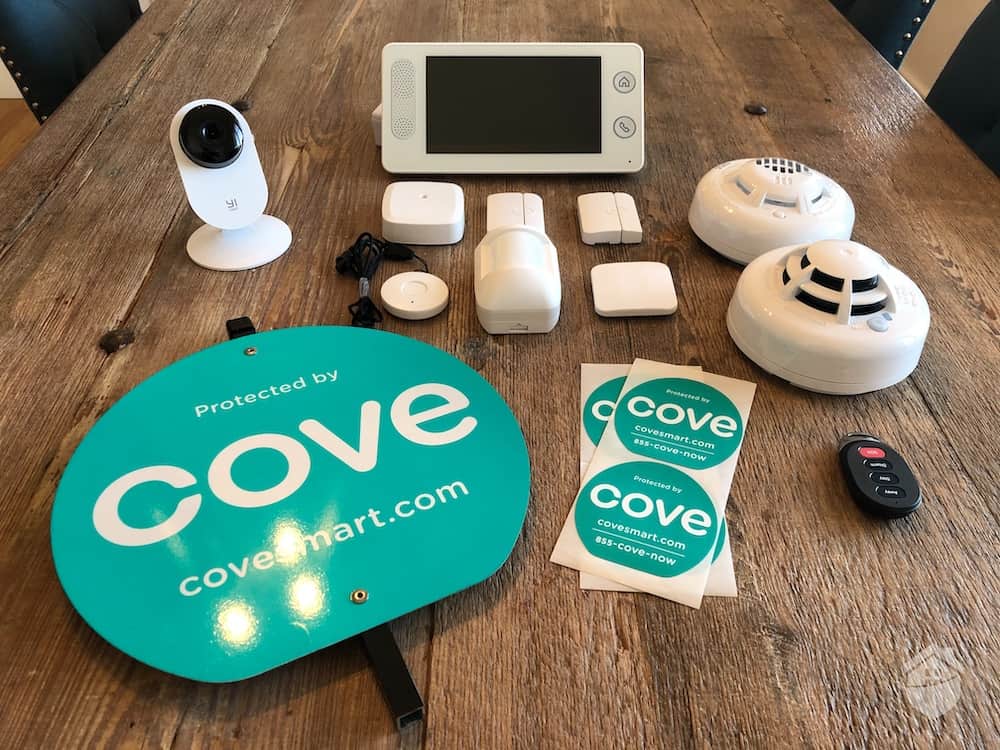
Cove recently upgraded a lot of its equipment. It’s still easy to install your devices, but they’re no longer big and bulky. The motion detectors and door sensors have shrunk significantly and should blend in perfectly with any recreational vehicle.
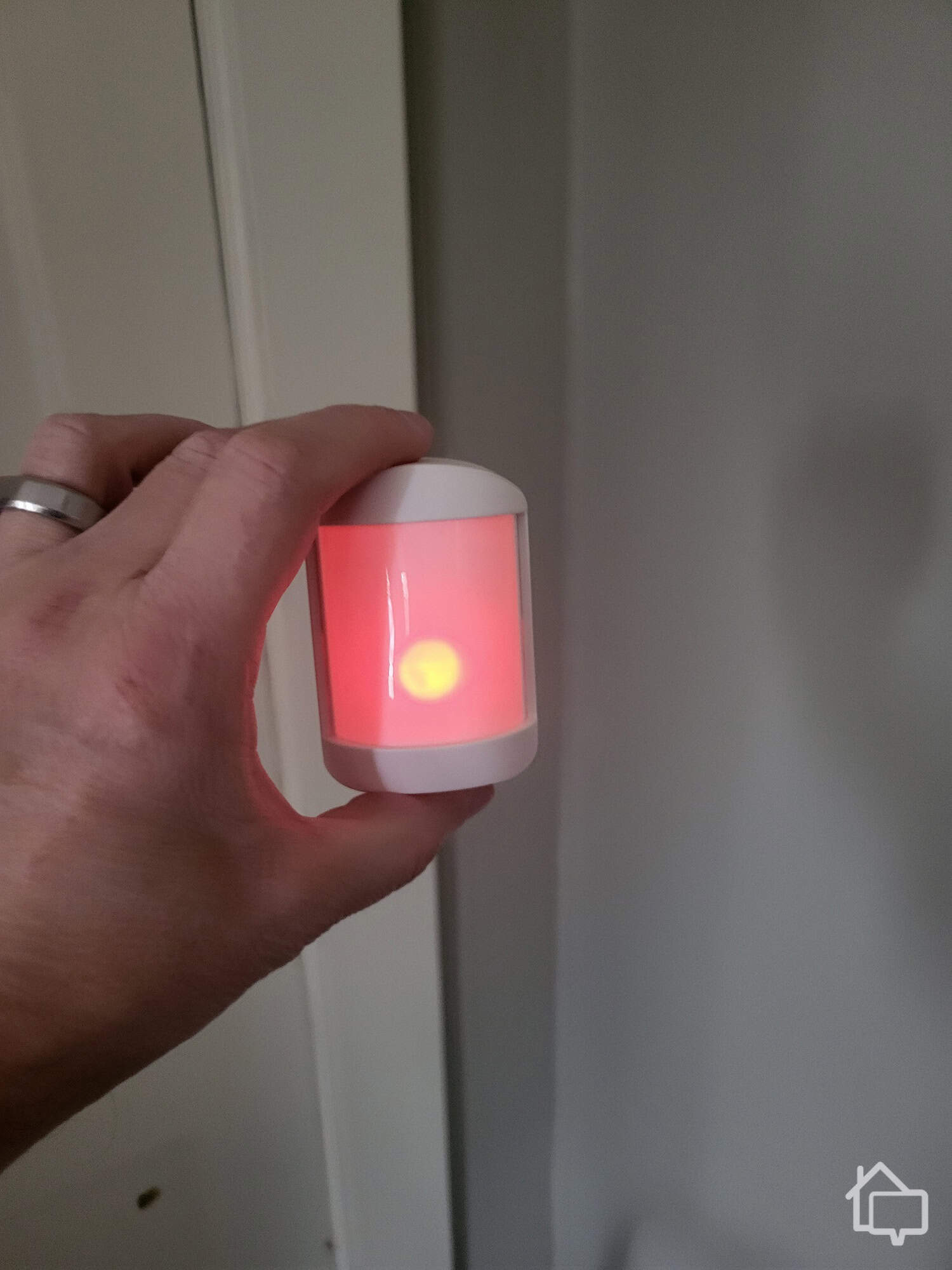
Cove’s new motion sensors are smaller but will shine bright red when they detect movement.
The indoor and outdoor cameras also look more modern. These devices are built by Eufy. We’ve tested Eufy’s security system and can vouch they build reliable security hardware. The outdoor camera does require a mount to be screwed into the surface, but it’s powered by solar and has a backup battery. It can also store video footage locally, which helps you save on cloud storage fees.
As we mentioned earlier, you’ll need to pay for at least one month of professional monitoring with Cove before switching to the self-monitoring plan. Here’s what’s included in each package.
| Features | Self-Monitoring with Camera Recording | Cove Basic | Cove Plus |
|---|---|---|---|
| 24/7 alarm and environmental monitoring | No | Yes | Yes |
| Cellular backup | Yes | Yes | Yes |
| Smartphone control | Yes | Yes | Yes |
| Camera support | Yes | No | Yes |
| Price | $9.99 per month | $22.99 per month | $32.99 per month |
While we’re happy we can self-monitor our security system, we still prefer SimpliSafe’s self-monitoring plan over Cove’s. The main reason is you’ll need to open a second app to access camera recordings – Eufy’s app to be precise. Plus with SimpliSafe you don’t need to waste money paying for a month of professional monitoring that you won’t use.
FYI: Both Cove cameras can store footage locally. But if you want cloud storage, you’ll need to pay $9.99 per month. This will give your Cove cameras 30 days of cloud storage.
We were able to buy the equivalent Cove equipment we purchased from ADT and SimpliSafe. As all the devices came synced, the only labor we had to do was peel an adhesive and stick the items to the surfaces. The indoor camera does require a power source, but the outdoor camera is solar-powered, so it can stay charged all day long.
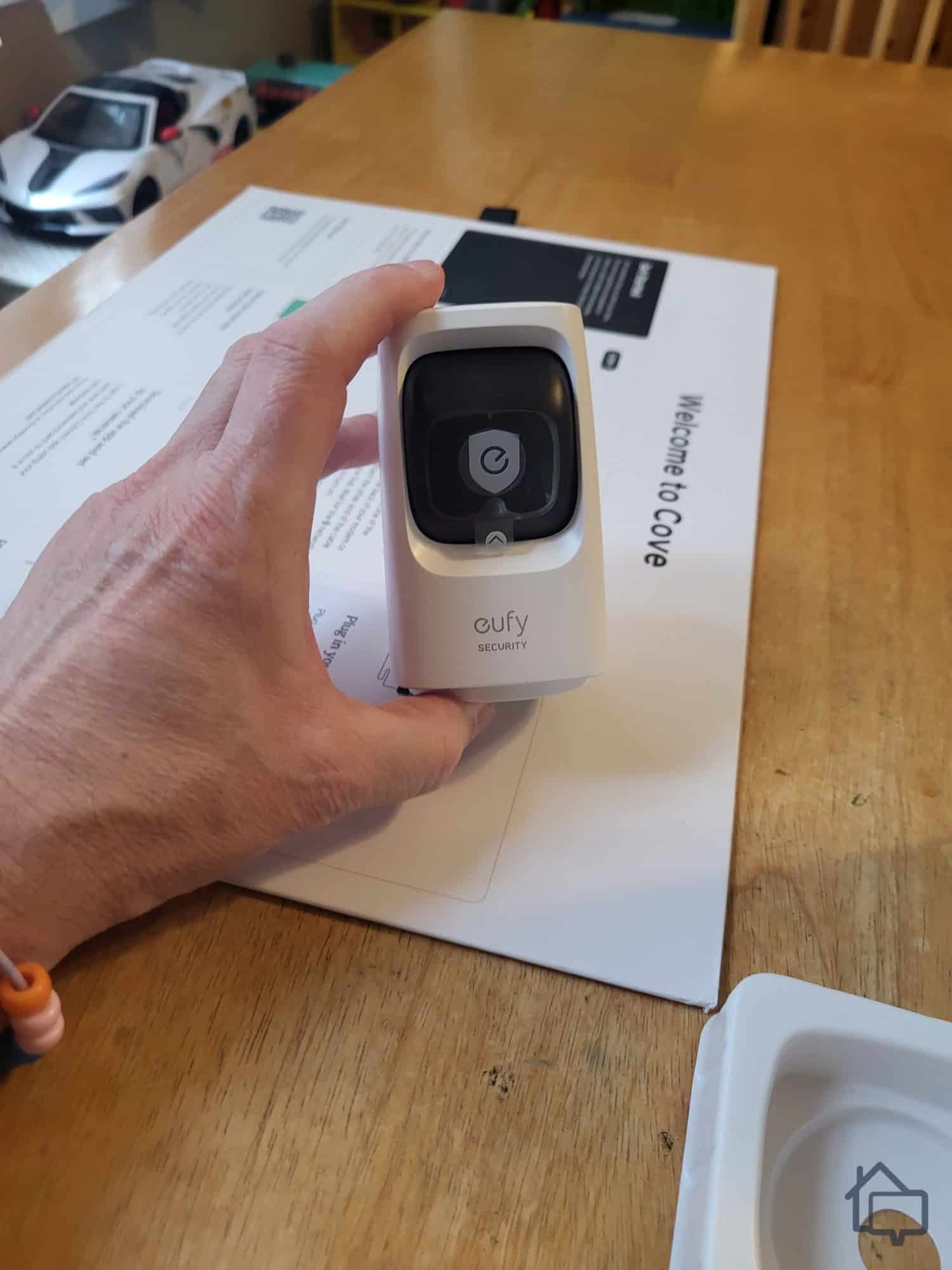
Cove’s Indoor camera is tiny, but it can pan and tilt to cover the entire living area of an RV.
The outdoor camera also has a 75 dB siren to scare off potential intruders. It gave us a fright the first time we heard it blaring but not as much as the deer it scared back into the woods. Thankfully, the AI detection in the cameras works on smaller critters. So we didn’t get any alerts whenever it spotted a squirrel or bird.
| Monitoring options | Professional only |
|---|---|
| Installation | Professional or DIY |
| Smart platform integration | None |
| Equipment cost | Packages starting at $109.95 |
| Monthly monitoring cost | From $22.99 |
| Contract length | Monthly |
ADT Blu, SimpliSafe and Cove are the security systems we recommend for RV owners. But they are not the only setups suitable for recreational vehicles. If you’re looking for other alternatives, here are two that almost made the list.
If you’re anything like us, you’ve accumulated a bunch of smart devices over the years and are forced to manage them with their native apps. abode eases that pain by letting you Zigbee and Z-Wave smart locks, lights, appliances, and more in one convenient place. When we reviewed abode, we used the app to set up schedules so we never forget to lock the door or arm our system.
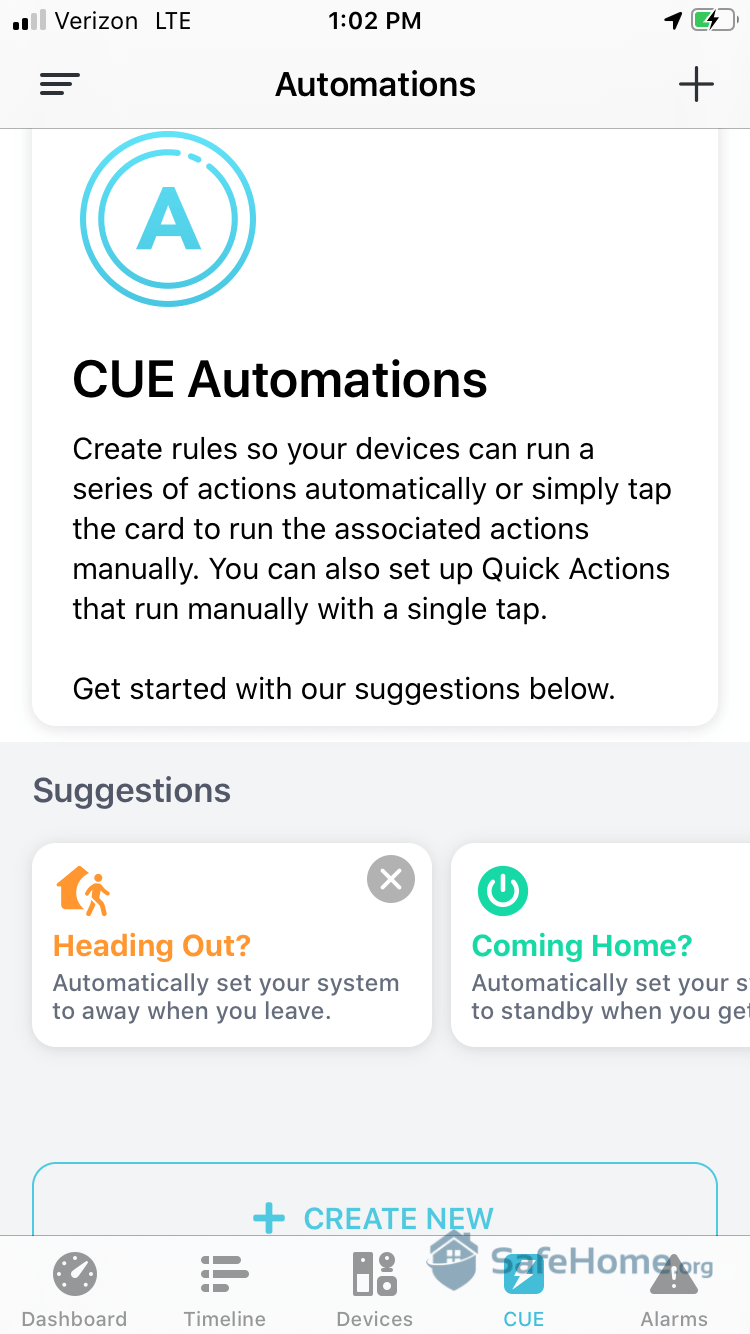
We set up several automations using the intuitive abode app.
We set up several automations using the intuitive abode app.
What holds abode back is the price and shape of some equipment. For example, a motion sensor is $55 and takes up a lot of room in the corners of the RV. While the abode Cam 2 is just $59.99, it requires a power source to work indoors or outdoors, which can limit its placement. At least abode has a free self-monitoring that makes up for the expensive equipment.
Ring’s security system looks like it would be perfect for RVs. You can buy equipment with different power sources, such as batteries or solar. There is also a category titled Ring Jobsite Security featuring devices exclusively built to last in the great outdoors.
>> Check Out: Ring Alarm Security System Cost and Pricing
The only issue is that the equipment range is limited compared to our top picks. You might not find everything you need to keep your RV safe. But Ring does have a free self-monitoring plan for motion alerts. However, it doesn’t include cloud storage. You’ll need to sign up for the Basic ($4.99 per month) or Standard ($9.99 per month) plan for this feature.
FYI: Ring’s Basic plan only covers one camera. If you want to save footage from multiple Ring cameras, you’ll need the Standard plan. Both include up to 180 days of video event history.
Recreational vehicles aren’t cheap. No matter how big or small your RV is, it’s a valuable piece of equipment, and it deserves protection, as do the belongings inside it. Installing a security system can alert you to potential threats and act as a deterrent to anyone loitering around your RV. It’s also useful for:
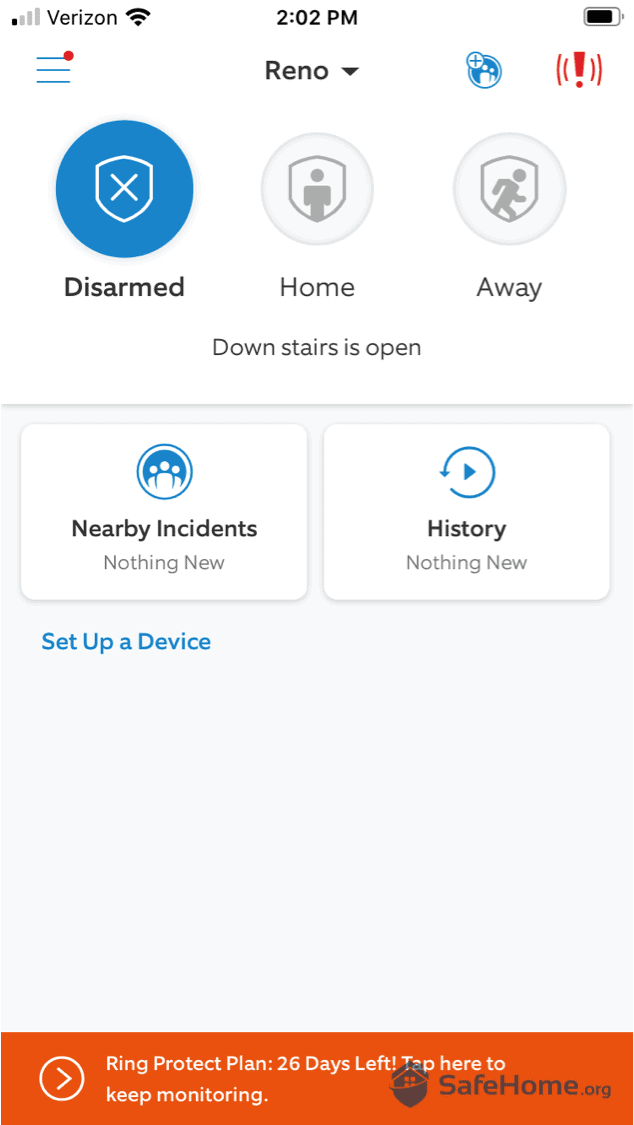
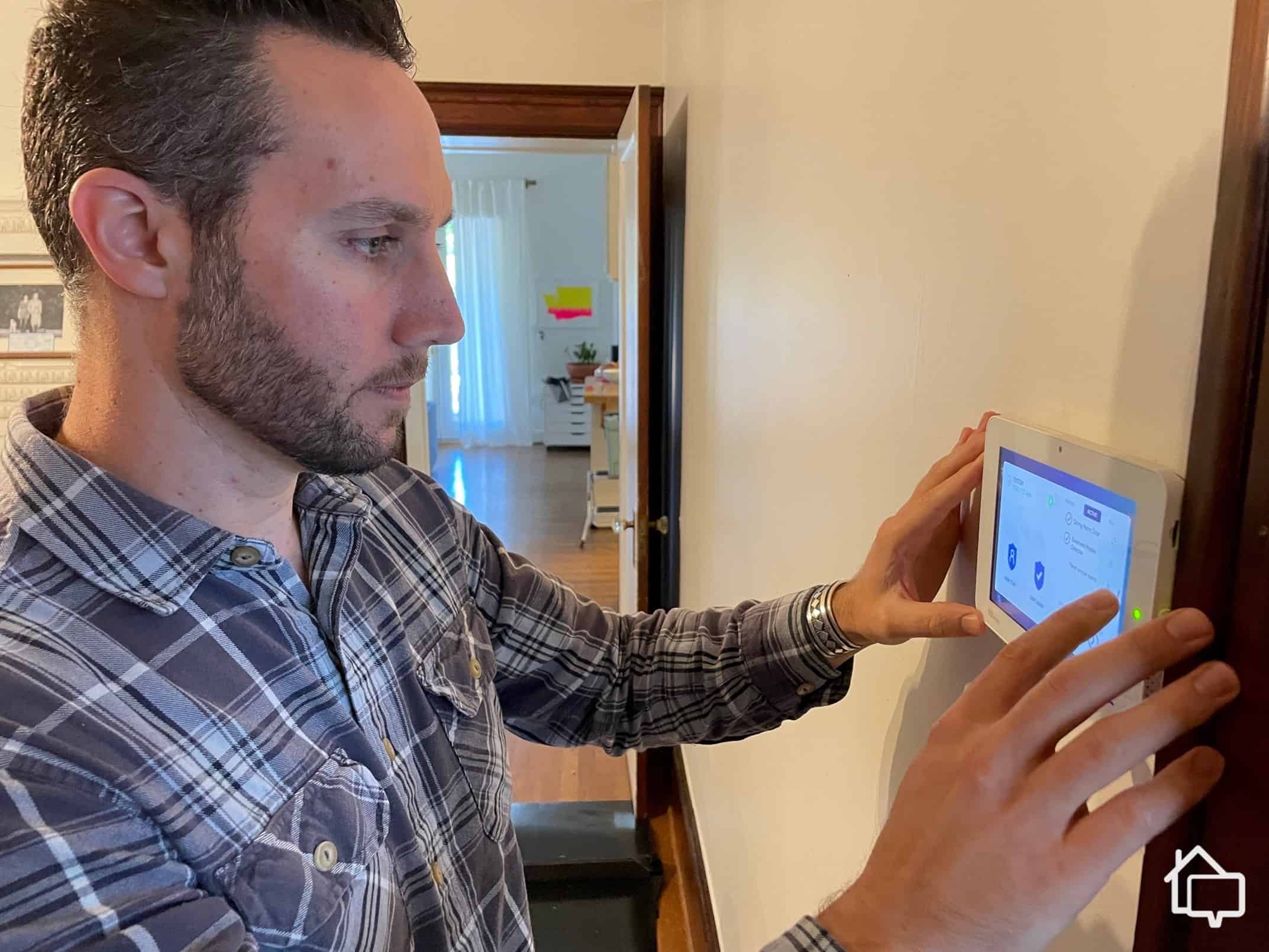
Managing a security system is easier with a smartphone app.
Before you start choosing your security system equipment, you should consider what your RV needs first for the setup to be operational. For example, if your devices need a power source, you’ll have to think about batteries or AC power supplies. In fact, while most sensors from the security systems we recommend are battery-powered, they all require a base station that plugs into an AC power supply. They have battery backup, but base stations don’t typically last more than 24 hours on just batteries.
Most security systems require an internet connection to stay online as well, so we recommend signing up for satellite internet like Starlink, which has plans specifically for RVs.
Much like battery backup, our top-pick security systems for RVs include cellular backup as well. This technology would allow the system to communicate in case of a failed internet connection. However, they are not designed to run on cellular connection alone; you’d need a working internet connection to set them up in the first place. It’s great if your RV security system has cellular backup, which is one of the things we considered when writing this list. Still, a satellite internet connection is necessary.
>> Related: The Best Cellular Security Systems of 2026
FYI: When choosing security systems to recommend to RV owners, one of the main things we looked for is the ability to work when power or the internet is out. ADT Blu, SimpliSafe and Cove all have that.
The last thing you want to do is install an RV security system and realize you’ve forgotten a crucial component. To keep you on track, use this checklist to make sure you’ve got everything you need before you hit the road.
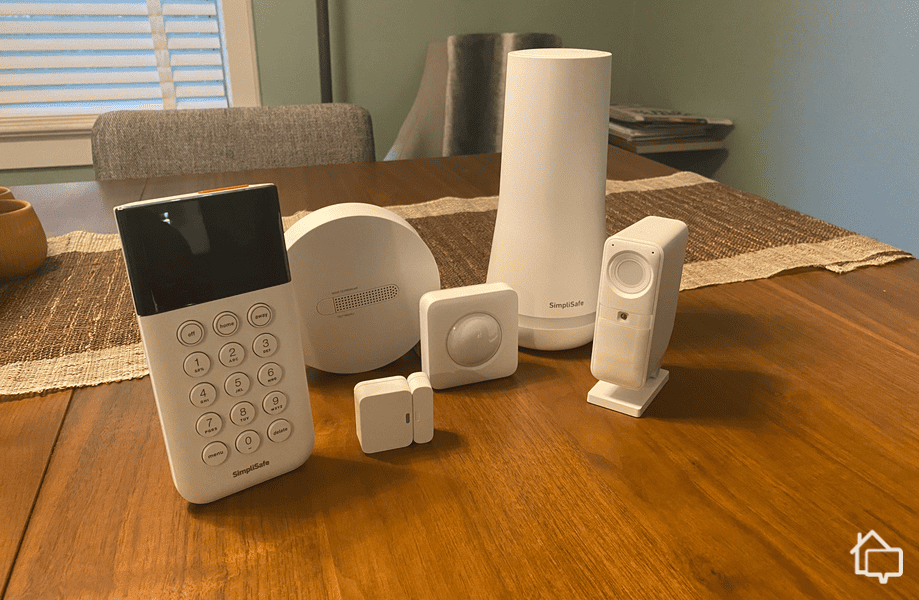
A simple security system from SimpliSafe.
An RV security system should be one component of your safety plan while you’re traveling. Here are some other tips we’ve picked from fellow travelers and other RV enthusiasts.
You should feel safe whether you’re in the comfort of your home or vacationing in an RV. You’re still traveling with valuables and in a vehicle that doubles as a shelter. So, installing a security system makes sense to protect your investment and contents.
The type of equipment you need will depend on your RV. That’s why we recommend choosing a security system from ADT Blu, SimpliSafe or Cove so you can customize your setup to suit your recreational vehicle. Combine the security system with a powerful app and a working self-monitoring plan, and you’ve got everything you need to help you relax no matter where you’re traveling.
ADT Blu is the best RV security system. The wireless equipment, flexible monitoring tiers, and high-resolution 2K HDR cameras are the main reasons why. It’s also easy to install and move equipment if you need the cameras to record at different angles.
You can install most basic security equipment inside an RV. We recommend choosing a security system as it means you can control and monitor the whole setup from a smartphone rather than relying on multiple apps for different devices.
Some security systems function as local alarms, sounding a siren if a break-in is detected. Most such systems don’t require an internet connection. However, our top picks are designed to communicate alerts with you no matter where you are, and these systems require a reliable internet connection. Should your RV’s internet connection fail, though, they can also use cellular networks as backup.
We recommend installing motion detectors, window and door sensors, door locks, and security cameras. Other devices — like smoke and CO2 detectors or glass break sensors — can also be useful for RV security systems.
It is difficult to use professional monitoring while traveling in an RV as you’re required to report your location, which can change often. We recommend self-monitoring plans that can include features like livestreaming and real-time notifications to keep you informed when an alarm is triggered.