SafeHome.org may receive compensation from some providers listed on this page. Learn More
We may receive compensation from some providers listed on this page. Learn More
SafeHome.org may receive compensation from some providers listed on this page. Learn More
We may receive compensation from some providers listed on this page. Learn More
We tested Ring’s full lineup of indoor and outdoor cameras to help you figure out which is the best one to protect your home.
 Updated July 24, 2026
copied!
Updated July 24, 2026
copied!

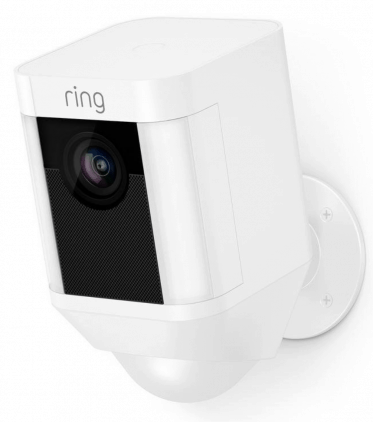
Ring has been a staple of the home security camera space for years — and it’s still updating its lineup with new models and advanced features. We also like that it offers different power source options, so you’re not restricted to power outlets or internal wiring. Ring even has solar options if your place gets good sunlight.
Are Ring’s home security cameras right for you, though? We think it’s one of the best home security camera brands on the market. That said, Ring cameras aren’t for everyone. Let’s go through our experience with Ring’s Floodlight Cam, Indoor Cam, Outdoor Cam, and Spotlight Cam so you can see if they’re right for you.
Did You Know? Ring cameras are a good budget-friendly option, but if you’re looking for something more advanced, we recommend Google Nest Cams. They offer facial recognition features that can distinguish strangers from regular guests. Check out our list of the best home security systems to explore more options from top brands.
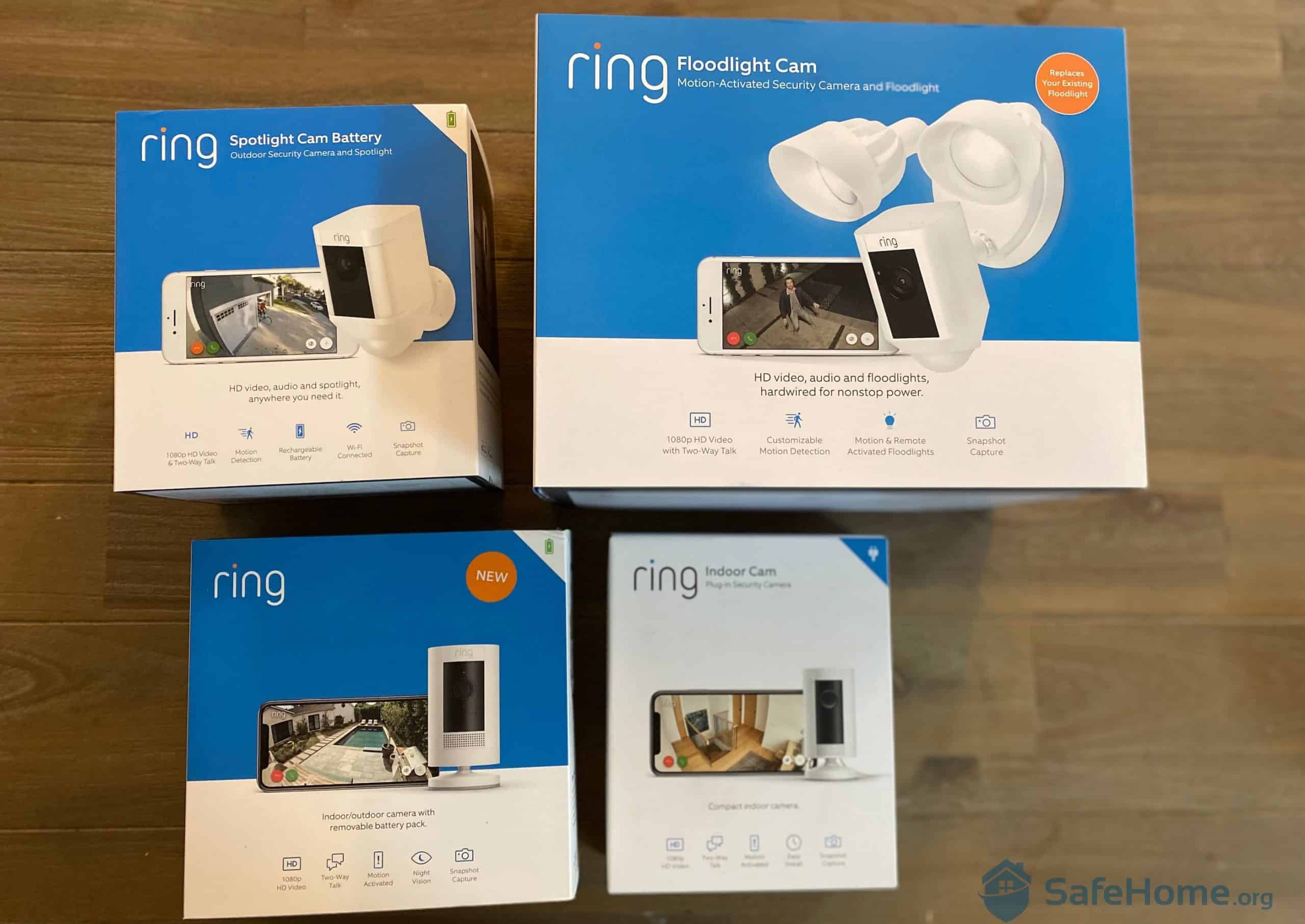
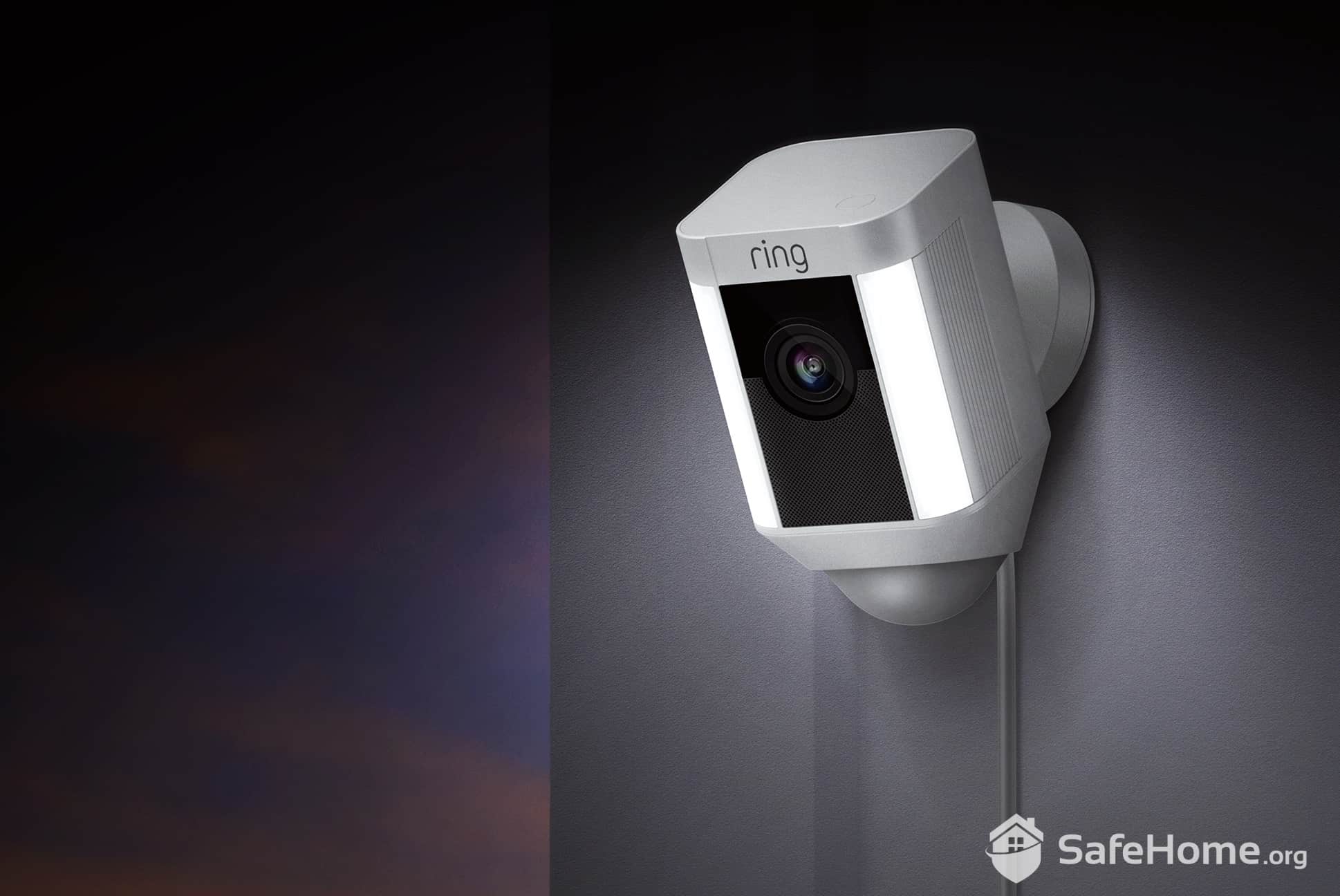
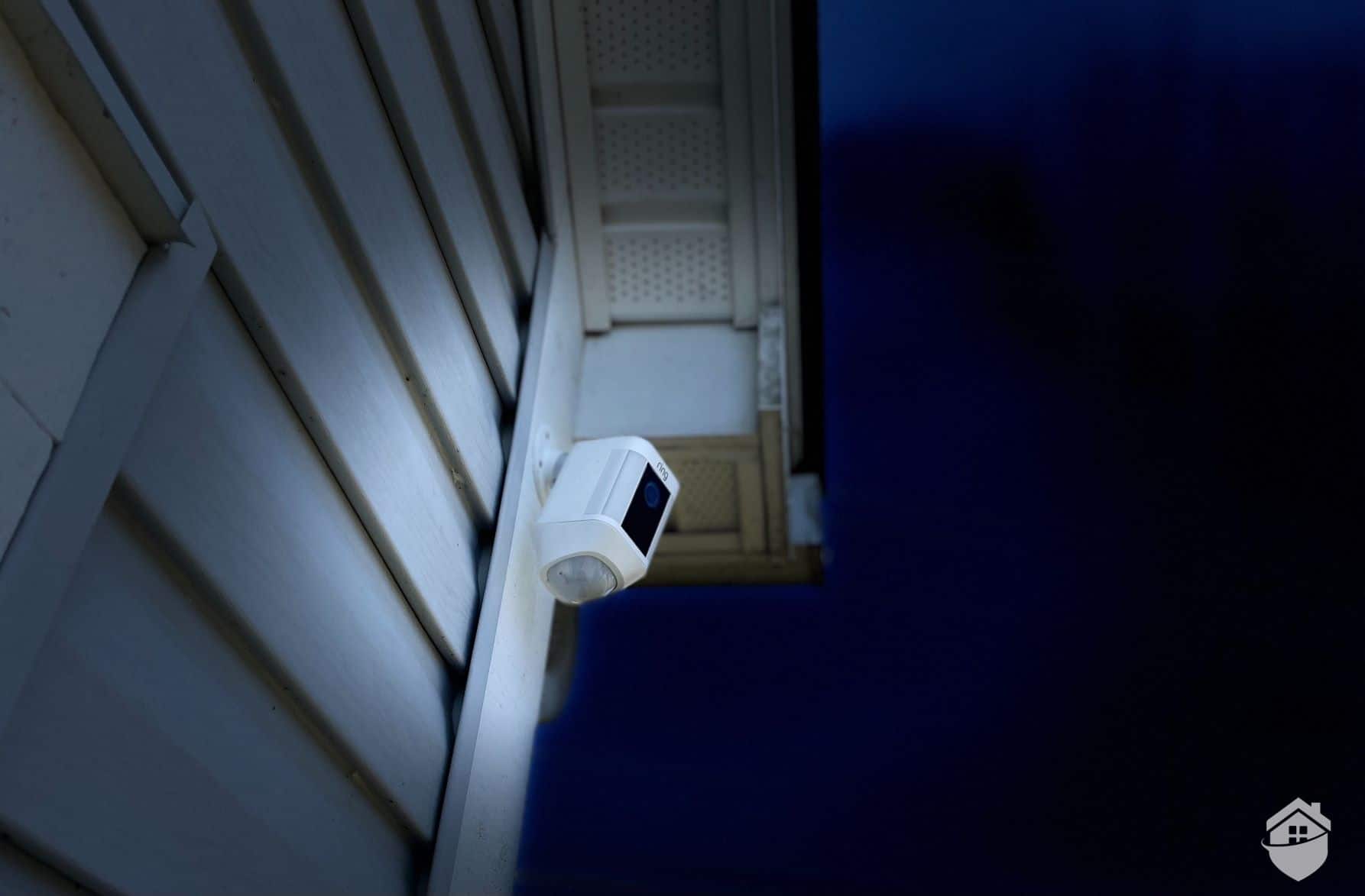
Some of the Ring security cameras we tested for this review.
Ring has 12 cameras in its lineup, organized into four groups. Each one is designed for a different part of the house. Here’s a brief overview:
Ring breaks things down further by power source. For most cameras, there are battery, plug-in, solar, and hardwired variants. Some of the features differ between groups. For example, the standard model covers the essentials, the Plus adds color night vision, and the Pro includes Retinal 4K video, 3D motion detection, and Bird’s Eye View tracking on select models.
We had no trouble installing our Ring cameras. The company made its name by offering DIY-installed systems, and it knows what it’s doing. It took us about 30 minutes to install our hardwired floodlight camera.
Hardwired Ring cameras require some electrical knowledge. If you don’t know which wire does what, we recommend calling a professional. If you do, take some extra time to position your outdoor camera properly to maximize its coverage. This will save you needing two cameras to cover an area that should only need one.
Ring’s battery cameras were simpler to set up. The Outdoor Cam was ready to go out of the box. All we had to do was choose a place to install it. For the Indoor Cam, we just needed to plug it in. We did think the power cord was short at only 6.5 feet. You’ll need to be strategic about where you place it unless you’re using an extension cord.
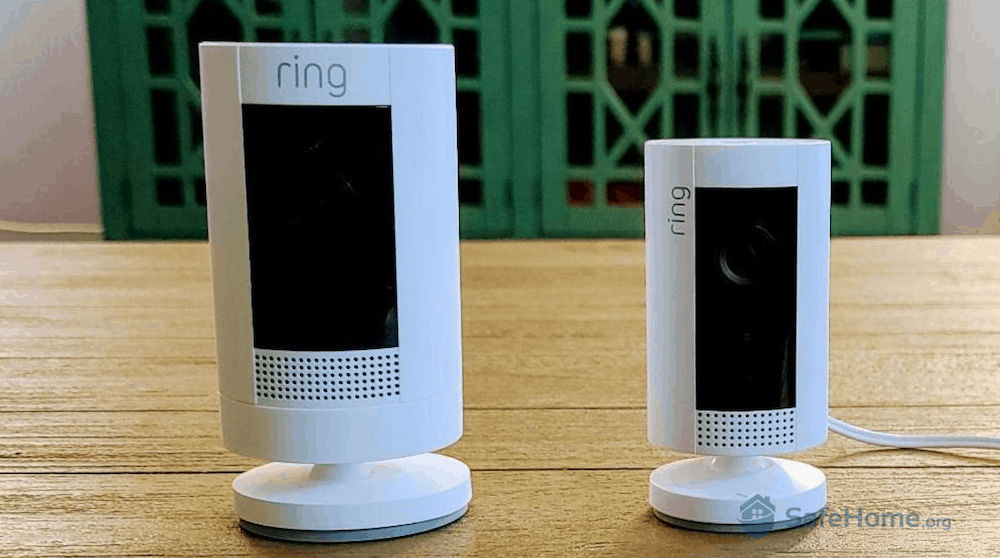
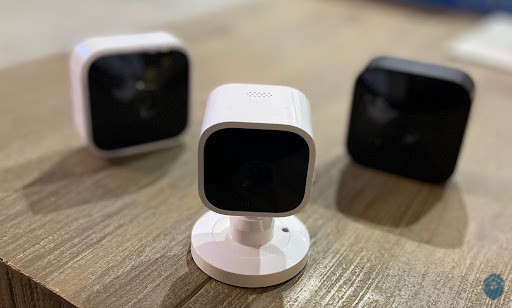
Ring Outdoor Cam (left) compared to Ring Indoor Cam (right)
We’ve mentioned once or twice that Ring cameras are budget-friendly. Here’s a rundown of how much the equipment costs.
| Ring Camera | Price |
|---|---|
| Indoor Cam | From $79.99 |
| Indoor Cam Plus | From $99.99 |
| Pan-Tilt Indoor Cam | From $59.99 |
| Outdoor Cam | From $79.99 |
| Outdoor Cam Plus | From $179.99 |
| Outdoor Cam Pro | From $199.99 |
| Spotlight Cam | From $169.99 |
| Spotlight Cam Plus | From $149.99 |
| Spotlight Cam Pro | From $199.99 |
| Floodlight Cam | From $199.99 |
| Floodlight Cam Plus | From $179.99 |
| Floodlight Cam Pro | From $229.99 |
Ring also lets you self-monitor your cameras for free. You still get real-time alerts and access to live footage through Ring’s app. If you want to record and review footage, you’ll need Ring Protect Solo, which costs $4.99 monthly for one camera or doorbell. The Multi plan at $9.99 monthly covers unlimited devices at one location.
The Ring Protect Pro plan adds professional monitoring and other advanced camera features like facial recognition, unusual event alerts when the cameras pick up something odd, and active warnings, which play a personalized prerecorded message to anyone loitering around the house.
Ring also offers a premium monitoring service similar to SimpliSafe’s Intruder Intervention. It calls it its Virtual Security Guard service. It lets Ring’s monitoring agents access your live video feeds during events and use your camera’s two-way talk to deter criminals. That service isn’t budget-friendly, though. It’s $99 per month, which is more than SimpliSafe ($32.99 monthly) charges but less than Deep Sentinel (starts at $100 monthly).
FYI: Ring cameras go on sale from time to time. Amazon features them heavily on Prime Day, and prices are usually slashed on Black Friday and Cyber Monday. If you’re looking for something cheaper year-round, we suggest looking at Blink’s prices.
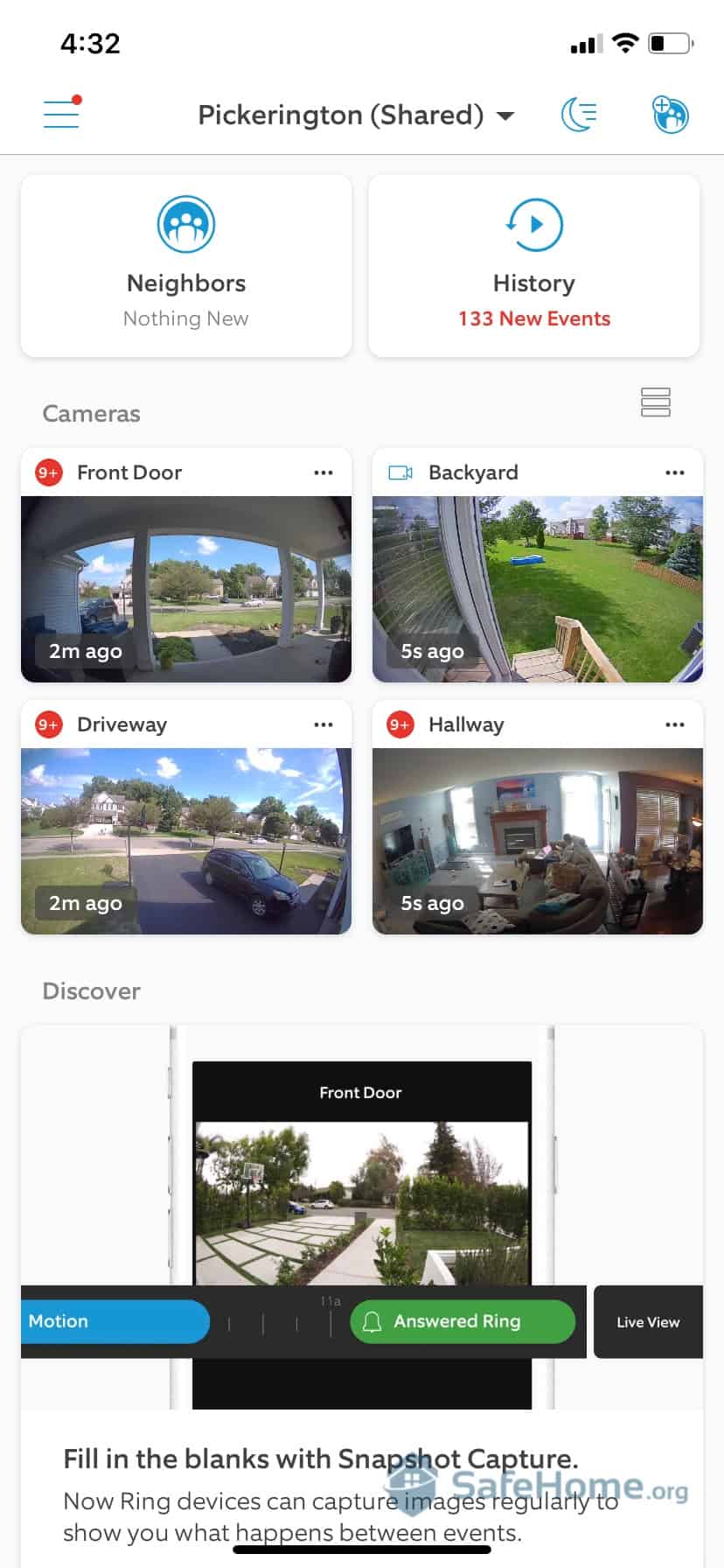
The Ring – Always Home front screen
The Ring app is one of the more polished camera apps we’ve used. We like that it has a single dashboard to manage every device, view live feeds, adjust motion zones, customize privacy settings, and switch between Home, Away, and Disarmed modes. When a camera detects motion, the app sends a notification to your phone.
We had a few instances of delay between the time the camera captures motion and the time you receive an alert. In our experience, that’s standard for Wi-Fi. On the plus side, we found the motion zone customization more intuitive than what we’ve seen from some other camera apps. You can cut down on false alarms by drawing privacy zones over high-traffic areas outside your property boundary.
Pro Tip: You can also adjust the camera’s sensitivity. There’s a slider in the Ring app that makes this easy. We were able to eliminate most unwanted alerts with the sensitivity setting and privacy zones. If you want to know about the traffic passing by your house, you can turn these settings off or put them on a schedule.
There are a few concerns about Ring cameras worth flagging. None of these are deal breakers, but you should know about them before you start adding devices to your cart.
Ring cameras have the ability to store video events locally on a microSD card, but to unlock this feature you need the Ring Protect Pro plan. With most competitors, this type of feature is free out of the box. It’s one of the benefits of having a security camera without a subscription. Unfortunately with Ring, your only option to access video events is by paying for a plan.
Ring Protect subscriptions offer more than local storage. They also have most of the best security features like facial recognition, intruder deterrence messages, and smart alerts. You’ll need the Ring Protect Pro plan for most of them. Without a subscription, you’re only left with live view and motion alerts.
Several privacy issues have been raised over Ring cameras. The Federal Trade Commission revealed that the lack of security has led to employees spying on customers through cameras.1 Ring has also let law enforcement and federal agencies access video footage.2 The company has taken steps to improve practices, but it’s an issue to be aware of.
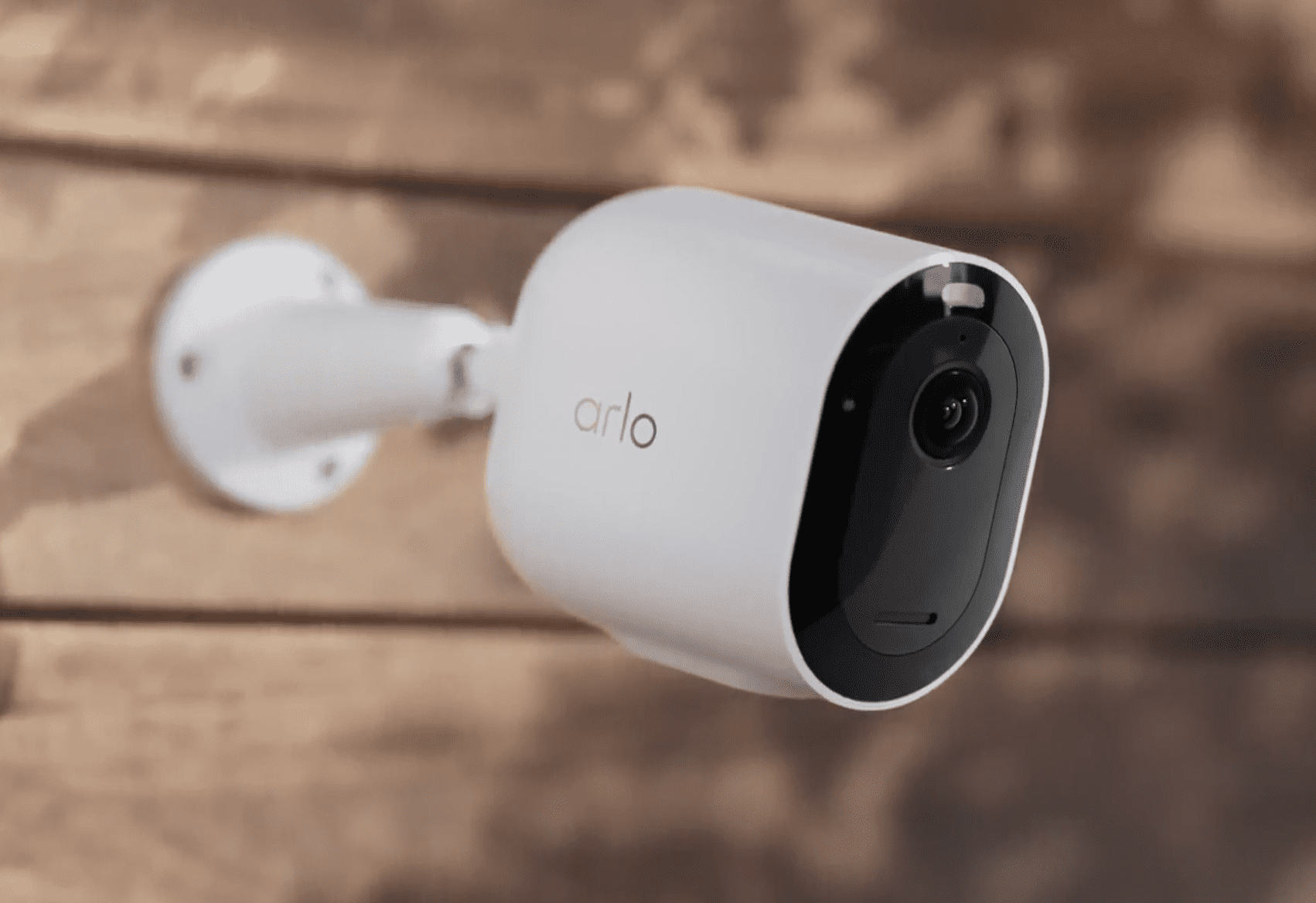
The Arlo 5S 2K
Google Nest Cams and Arlo are Ring’s closest competitors. Each offers AI-powered cameras for different types of environments. You can even integrate them into home security systems, like Ring cameras do with Ring Alarm.
We think the Nest Cams have the edge, especially when paired with an ADT security system. ADT offers the best professional monitoring service in the industry and the company utilizes Nest Cam features for security features like Trusted Neighbor and Home | Away. Ring cameras are more affordable, though. Ring also has more camera types or power configurations over Nest Cams.
Arlo matches Ring in these departments. Arlo has a range of indoor and outdoor camera options with prices starting at $39.99. Arlo subscriptions are also on par, with plans for a single camera starting at $7.99. The Premium plan at $39.99 adds professional monitoring and continuous recording for up to three cameras. With Ring, you need to pay $3 per camera per month for continuous recording.
Ring has one of the most flexible camera ranges in the industry, but that doesn’t mean it’s for everyone. While prices are wallet-friendly, costs start to add up when you consider subscription costs and add-ons. You can opt to avoid paying a subscription altogether. This means you’ll be responsible for responding to alerts, though, which can be tricky if you’re late to one and can’t review video events.
That said, if you don’t need all the bells and whistles, Ring cameras are a reliable security solution for most homes. With the upgrade to 2K and 4K resolutions, Ring cameras are now on par with many of the best security cameras in the industry without breaking the bank.
Yes, Ring cameras work without a subscription. Keep in mind that functionality is limited. You can only access live view and receive real-time motion alerts. You can’t save, review, or share recorded footage.
For indoor security, we think the Ring Indoor Cam Plus offers the best balance of price and performance. For outdoor use, we suggest the Ring Outdoor Cam Plus. For large areas like driveways and backyards, the Ring Floodlight Cam Wired Pro is the best option available.
Local storage is available, but to access it, you’ll need to subscribe to the Ring Protect Pro plan, which is $19.99 per month.
Ring cameras film in 1080p, 2K, or 4K depending on the model.
Ring cameras are compatible with Amazon Alexa and Google Assistant. Ring is an Amazon-owned brand, so Alexa integration is the best option. In our testing, Google Assistant support was limited by comparison.
Federal Trade Commission. (2023). Ring’s privacy failures led to spying and harassment through home security cameras.
KSL News Radio. (2026). Privacy advocates raise concerns over Ring–Flock partnership and law enforcement access.