Best Identity Theft Protection Services for the Deceased

Our testing found that LifeLock’s family plans provide robust identity protection for households with deceased family members, prioritizing cybersecurity to ensure their information never falls into the wrong hands.

Page Hero Image

Best for Monitoring a Deceased Loved One's Identity

LifeLock
SecureScore™: 9.7/10

LifeLock gives surviving family members the monitoring and insurance strength to catch continued misuse of a loved one’s identity. That way you can focus on managing everything else that comes with a death in the family.

View Plans Links to LifeLock

Best for Deceased Family Member Fraud Remediation

IdentityForce
SecureScore™: 8.5/10

IdentityForce is the only major provider with a named Deceased Family Member Fraud Remediation benefit built into its Family plan, making it a direct match for this exact situation.

Best for Flexible Family Monitoring

Aura Identity Theft Protection
SecureScore™: 9.6/10

Aura’s flexible plan structure and dark web monitoring make it a solid choice for a surviving spouse or adult child managing their own identity alongside a deceased family member’s.

View Plans Links to Aura

Losing someone you love comes with more paperwork than anyone expects, and identity theft protection is one more thing that can slip through the cracks. Fraudsters specifically target the recently deceased, since a death certificate becomes a public record before banks, lenders, and government agencies have the chance to close the file. More than 2.5 million deceased Americans have their identities stolen every Most of that fraud is aimed at opening credit cards or cell phone plans.

No service can technically “monitor” a deceased person as an enrolled member, but the right one can still help. LifeLock is our top pick. It gives a surviving family member the tools to watch for continued misuse of a loved one's Social Security number and personal information, without adding much to their plate. IdentityForce and Aura round out our top three, each with its own distinct advantage. If you’re also looking to protect yourself, check out our list of the best identity theft protection services overall as well.

We thoroughly tested LifeLock using our real personal information

We thoroughly tested LifeLock using our real personal information

The 3 Best Identity Theft Protection Services for a Deceased Loved One

Top 3 Identity Theft Protection Services for a Deceased Loved One

  • 1. LifeLock - Best for Monitoring a Deceased Loved One's Identity

    SecureScore™ 9.7
    Customer Service
    9.6
    Value
    9.5
    Features & Services
    9.8
    Ease Of Use
    9.7
    SecureScore™
    9.7

    LifeLock covers this situation through a surviving family member's own plan, rather than any feature built specifically for the deceased. In that plan, a deceased family member’s information can be added for monitoring. That way, LifeLock watches for early signs of identity theft, like new credit accounts, address changes, and dark web exposure under a deceased family member’s name. All of it is backed by the highest insurance ceiling we've tested.

    • Restoration backed by a 100% guarantee, if LifeLock can’t fix it, you’re refunded
    • Up to $3 million in identity theft coverage per adult
    • Can be bundled with Norton 360 for antivirus and device protection
    • Alerts for bank account takeovers, plus 401(k) and investment account monitoring
    • All plans include at least $1 million in identity theft coverage
    • Expensive even with an annual plan discount
    • Only higher-tier plans include three-bureau credit monitoring (Core is limited to two-bureau monitoring)
    • Discounted first-year rates typically renew at a higher price
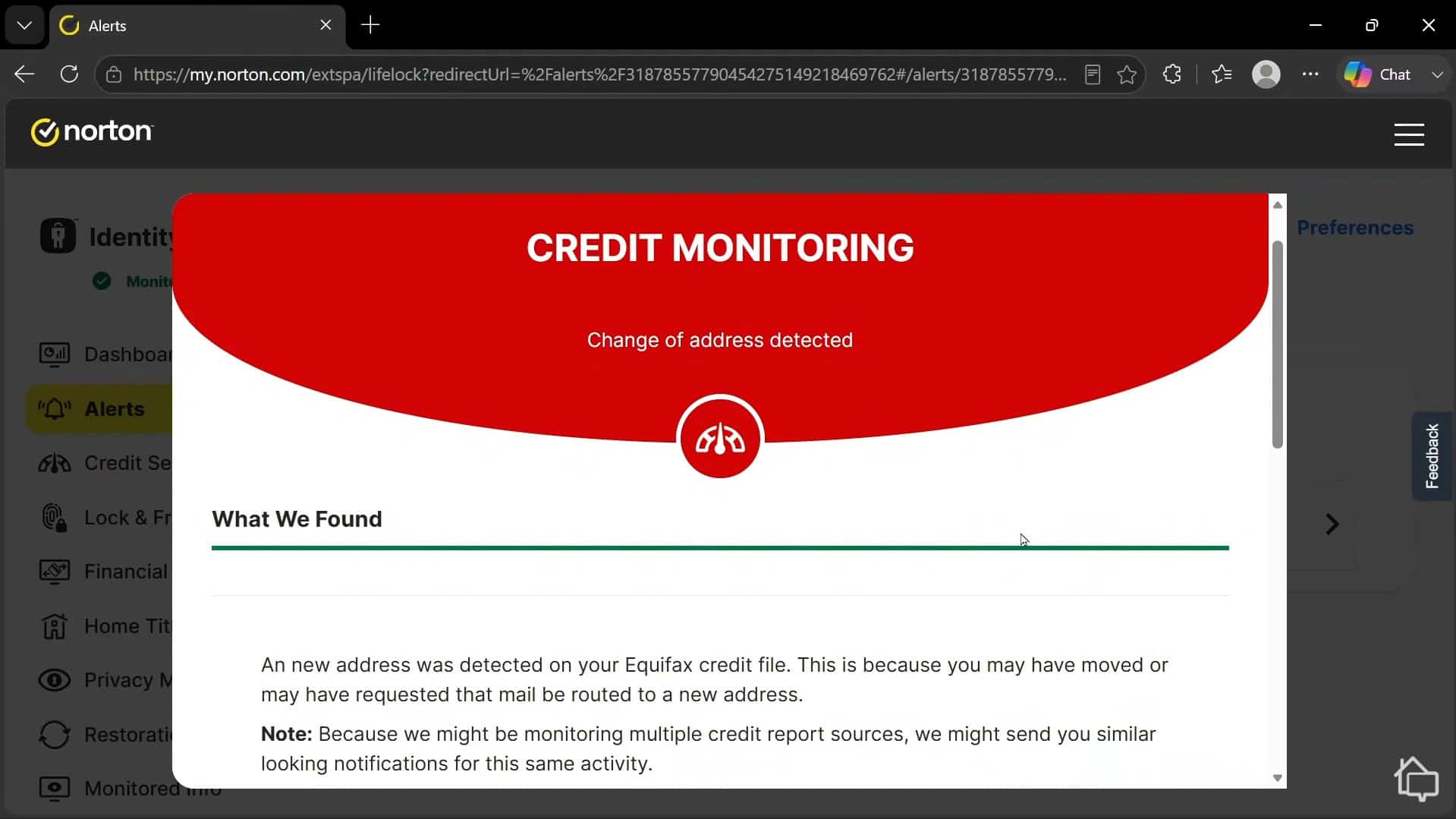
    We received a change of address alert during our tests of LifeLock

    We received a change of address alert during our tests of LifeLock

    When we tested LifeLock, its dark web and USPS address-change monitoring stood out as the two features most effective at protecting the identity of a deceased loved one. Identity thieves who target the deceased often try to redirect mail or open new accounts using a stale address on file. LifeLock flagged that kind of activity for us without requiring daily check-ins.

    LifeLock’s family plan is available across its Core, Advanced, and Total tiers. That means you don’t need a separate LifeLock subscription for each family members’ identity. One family plan works for you, your spouse, and a deceased parent’s remaining accounts. On the Total plan, coverage scales up to $3 million per adult, split across stolen funds, personal expenses, and legal fees. That structure helps if settling an estate turns up fraud that requires legal help to untangle. Our guide to identity theft insurance breaks down how these coverage categories actually work.

    All LifeLock plans also include a U.S.-based restoration specialist. This dedicated staff member will help you resolve any issues related to identity theft. If this specialist can’t resolve your case, you’ll get a refund of your subscription under LifeLock’s restoration guarantee. For a family already grieving, this level of support takes one worry off the table.

    >> Read More: Is LifeLock Worth It?

    Identity monitoring Yes
    Credit monitoring 2-bureau (Core) or 3-bureau (Advanced/Total)
    Insurance Up to $3 million per adult
    Restoration guarantee Yes, or your subscription is refunded
    Free trial 30 days
    Money-back guarantee 60 days (annual plans)
  • 2. IdentityForce - Best for Deceased Family Member Fraud Remediation

    SecureScore™ 8.5
    IdentityForce Dashboard
    Customer Service
    8.7
    Value
    8.6
    Features & Services
    8.3
    Ease Of Use
    8.4
    SecureScore™
    8.5

    IdentityForce is the one service on this list with a benefit named specifically for deceased family members. Its Family plan includes Deceased Family Member Fraud Remediation, available for any adult or eligible dependent who was enrolled at the time of their death.

    • Comprehensive, 24/7 identity theft monitoring
    • 3-bureau credit monitoring, scoring, reporting
    • Cyberbullying, phishing, and ransomware reimbursement
    • Exclusive digital safety protections for families
    • Extremely detailed reports
    • Actionable notifications
    • Excellent desktop interface with intuitive design
    • VPN access through mobile app
    • No couples-specific plan
    • Underwhelming mobile app
    • Somewhat high price tag
    • Limited customer service hours
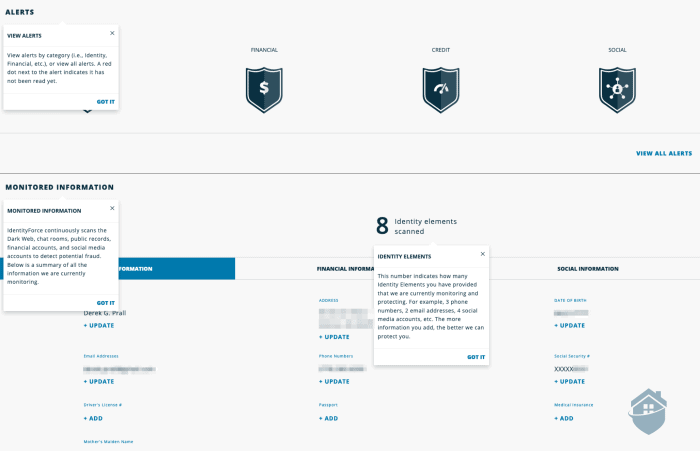
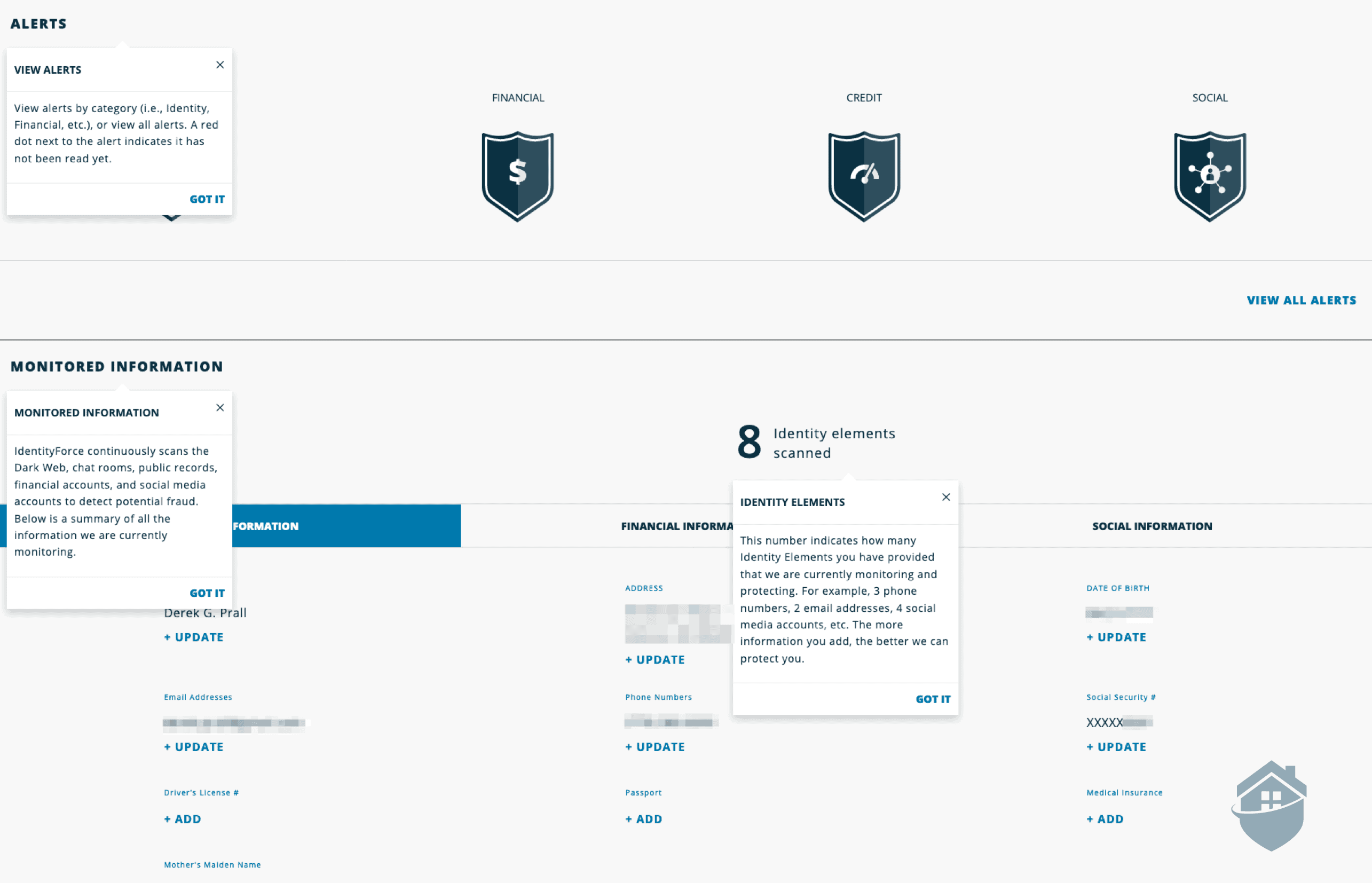
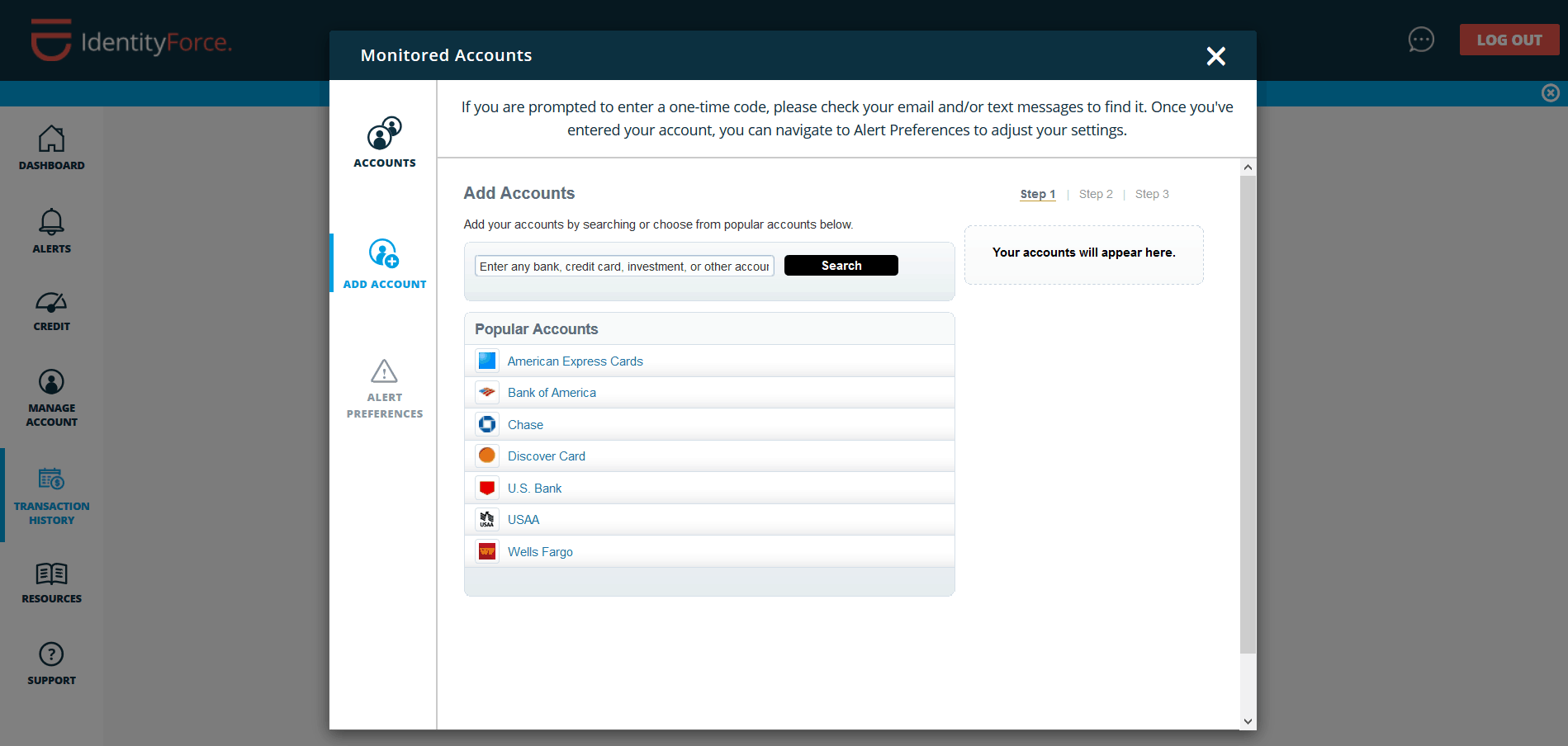
    IdentityForce - Monitored Accounts

    IdentityForce made it easy for us to link our financial accounts for active suspicious activity monitoring

    IdentityForce’s Deceased Family Member Fraud Remediation benefit only applies if your loved one was already enrolled in the Family plan before they passed. That means it needs to be set up in advance instead of as a solution after the fact. Still, it’s a real differentiator we didn’t find matched elsewhere.

    When we tested IdentityForce more broadly, we found that it offers some of the best credit monitoring available. That came as no surprise since it’s owned by TransUnion. However, to access those features, you’ll need the UltraSecure+Credit plan. That’s IdentityForce’s premium plan that adds daily TransUnion monitoring and quarterly Equifax and Experian reports. It’s useful for spotting new accounts opened in a deceased person’s name well before a full credit freeze catches up, and coverage on that tier scales up to $2 million.

    Where IdentityForce falls short is polish. Its VPN only works through the mobile app, and there’s no built-in antivirus, so it’s not the pick if you want an all-in-one security suite. Check out our NordVPN review if you’re looking for digital security solutions. That said, the Deceased Family Member Fraud Remediation can make up for those limitations, depending on your priorities.

    >> Learn More: Best Alternatives to LifeLock Identity Theft Protection in 2026

    Identity monitoring Yes
    Credit monitoring 3-Bureau
    Insurance Up to $2 million
    Free Trial 30-Day
    Money-back guarantee Yes (prorated)
  • 3. Aura Identity Theft Protection - Best for Flexible Family Monitoring

    SecureScore™ 9.6
    Customer Service
    9.6
    Value
    9.6
    Features & Services
    9.6
    Ease Of Use
    9.6
    SecureScore™
    9.6

    Aura does not offer a feature specifically for monitoring a deceased loved one’s information. However, its flexible Individual, Couple, and Family plans make it easy for a surviving spouse or adult child to add or adjust coverage as their household changes.

    • Comprehensive digital security suite with VPN, antivirus, and password manager included
    • Monitors data sources many competitors miss, including home titles and court records
    • Provides up to $1 million in identity theft insurance per adult ($5 million total on family plans)
    • 24/7 customer support paired with white-glove fraud resolution specialists
    • Pricier than average compared to other services in this roundup
    • Business pricing requires contacting sales or starting a trial
    • VPN lacks advanced features compared to standalone services
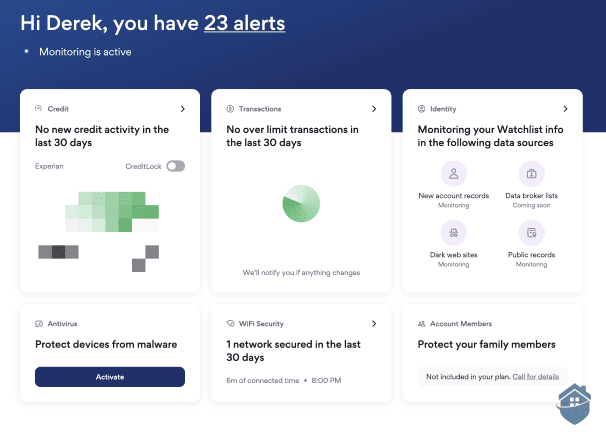
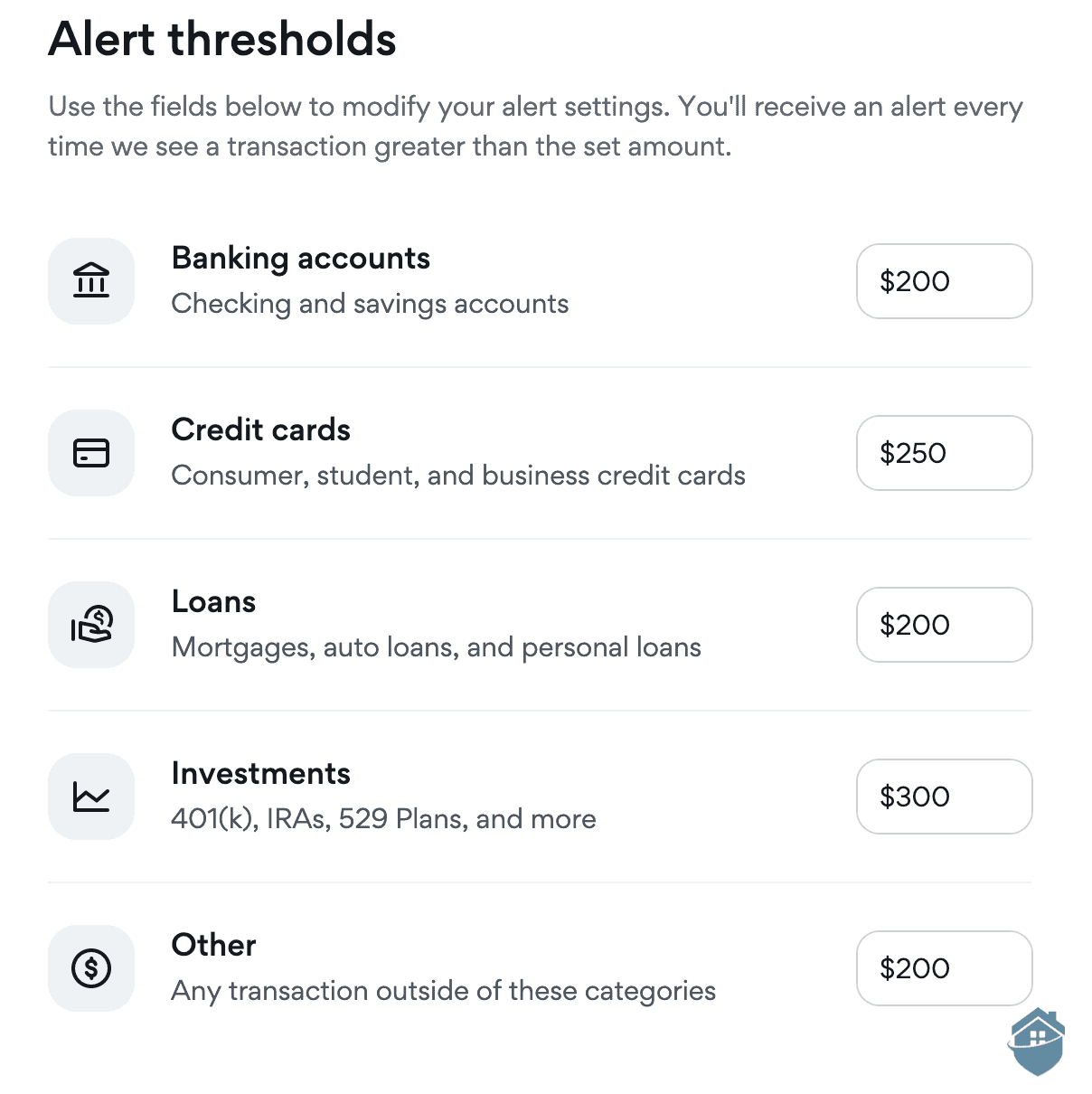
    Setting Aura's alert thresholds

    We appreciate the customizable thresholds for Aura’s transaction alerts

    We found Aura’s setup process quick, which matters when you’re already dealing with the overwhelming aftermath of a loss. Picking a plan is easy too, as they all offer the same protections regardless of tier, including three-bureau credit monitoring, dark web monitoring, and a VPN and password manager bundled. There’s no need to compare plan features to find out which one you need.

    Aura’s Family plan covers up to five adults and unlimited kids for about $50 per month. We recommend this plan if you’re consolidating a deceased parent’s remaining accounts under your own household’s protection. Insurance runs up to $1 million per adult, or $5 million total across a family plan. That’s a lower ceiling than LifeLock’s Total plan but still solid. This plan makes Aura one of the best family identity theft protection services.

    While those are all real benefits, Aura stands out most for protecting a deceased loved one’s identity with its court and public records monitoring. That can flag fraudulent activity faster than credit monitoring alone would catch it.

    >> Read More: Comparing LifeLock vs. Aura in 2026

    Identity monitoring Yes
    Credit monitoring Three bureaus
    Insurance Up to $1 million per adult ($5 million family total)
    Free trial 14 days
    Money-back guarantee 60 days (annual plans)

What Happens If a Deceased Person's Identity Is Stolen

Identity thieves who target the deceased usually move fast. They're racing the window between a death becoming public record and every financial institution closing the loop. Common signs include new credit card offers or bills arriving in the deceased person's name and collection calls for debts they didn't have. A rejected tax return is another one, since it can mean someone already filed using their Social Security number.

If you suspect that someone has stolen the identity of a deceased loved one, start by contacting the three credit bureaus directly. Ask them to place a “deceased, do not issue credit” alert, sometimes called a death master file flag. They’ll typically just ask for a copy of the death certificate to issue the alert. From there, notify the Social Security Administration, close any open accounts with a reason code of “account holder deceased,” and keep a paper trail of every notification you send. Our guide to storing important documents covers how to organize death certificates and account records so nothing gets lost mid-process.

An identity theft protection service works alongside those steps rather than replacing them. It can catch activity that slips through before every institution has processed the notifications, which is often enough time for real damage to occur.

LifeLock provides comprehensive insurance separated into distinct categories and a U.S.-based identity Restoration Specialist

LifeLock provides comprehensive insurance separated into distinct categories and a U.S.-based identity Restoration Specialist

Placing a Deceased Alert With the Credit Bureaus

You can place a deceased alert with each of the three major credit bureaus, Equifax, Experian, and TransUnion by sending a death certificate by mail. This blocks new credit from being issued. It’s a free process, but you have to manually make the request. None of it happens automatically just because Social Security has been notified.

Note that you need to send the notification to all three bureaus separately. Sending it to one and assuming it will be shared with the others is the most common mistake families make here. We also recommend sending the notification with the death certificate by certified mail with a return receipt. That way, you have proof each bureau received it, which matters if a fraudulent account shows up later and you need to dispute it.

LifeLock by norton logo

Watch Over What's Left Behind


View Plans

Links to LifeLock

1-800-943-2151

How Long Do Thieves Have Before It's Caught

The window of exposure often spans several months. Death records become public relatively quickly, but account closures and credit freezes take time to process across every institution involved. During that gap, fraud can happen quietly and go undetected until a family receives an unexpected bill or a rejected tax filing.

That gap is exactly why ongoing monitoring matters even after you've completed the standard notification steps. A service that flags new account activity or address changes can catch something the credit bureaus haven't processed yet. Our roundup of the best identity theft restoration services covers what to look for if you end up needing help resolving a case.

FYI: Nearly a quarter of new-account fraud victims don't discover the misuse of their information until at least six months after it started, and cost victims an average of Those who catch it sooner typically report lower losses.

Our Methodology – How We Selected Our Top Picks

Choosing identity theft protection for a deceased loved one meant weighing criteria a little differently than we would for someone protecting their own living identity. Here's what we prioritized.

  • Deceased-specific features or restoration familiarity: We looked for services that either offer a named benefit for this situation or those that provide dedicated case managers who are equipped to handle the unique paperwork involved.
  • Insurance and restoration support: Settling fraud tied to an estate can involve legal fees a typical claim wouldn't, so we weighted coverage limits and restoration guarantees heavily.
  • Family plan flexibility: Many people managing this are also protecting their own identity and other family members at the same time, so we favored plans that affordably scale across a household.

Using these criteria, LifeLock, IdentityForce, and Aura stood out as the strongest options, each best suited to a slightly different situation.

Recap

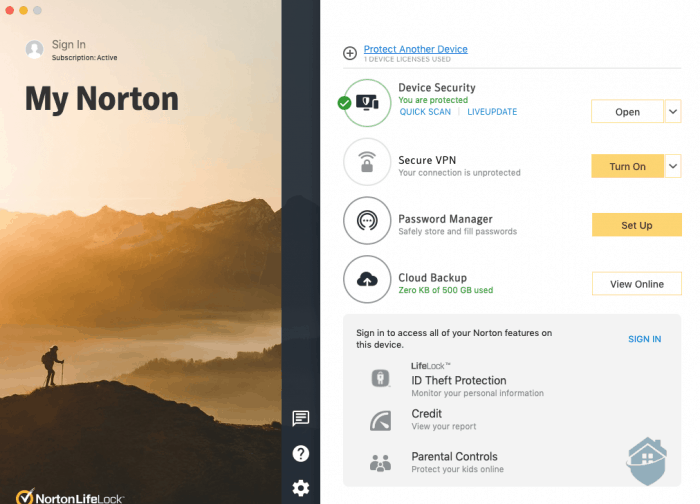
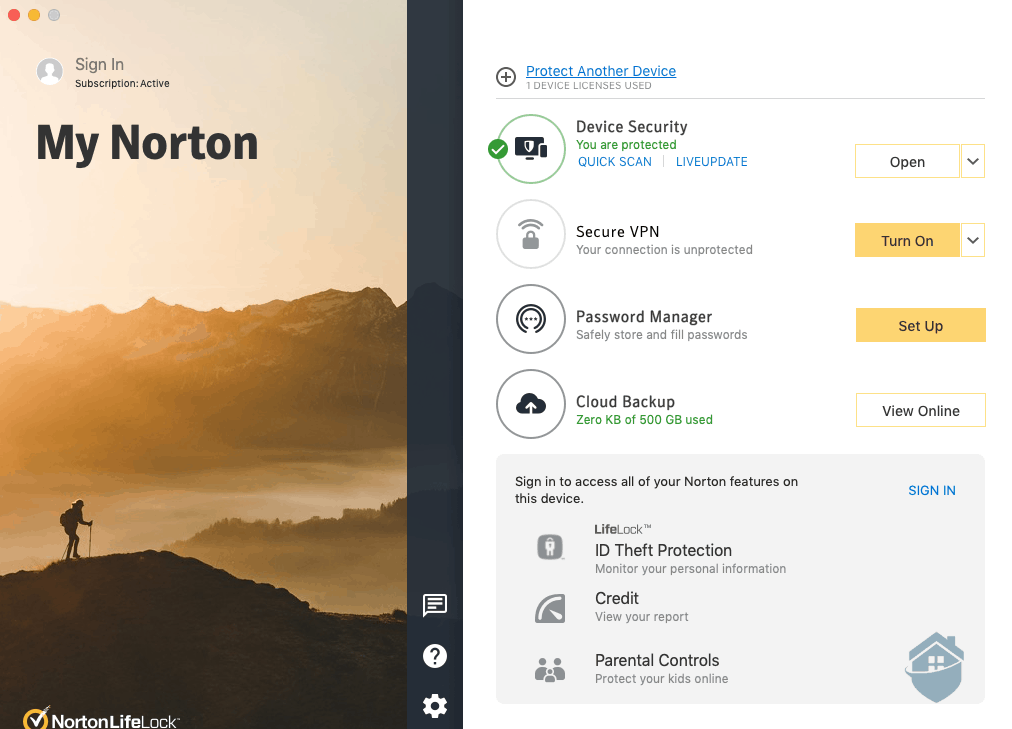
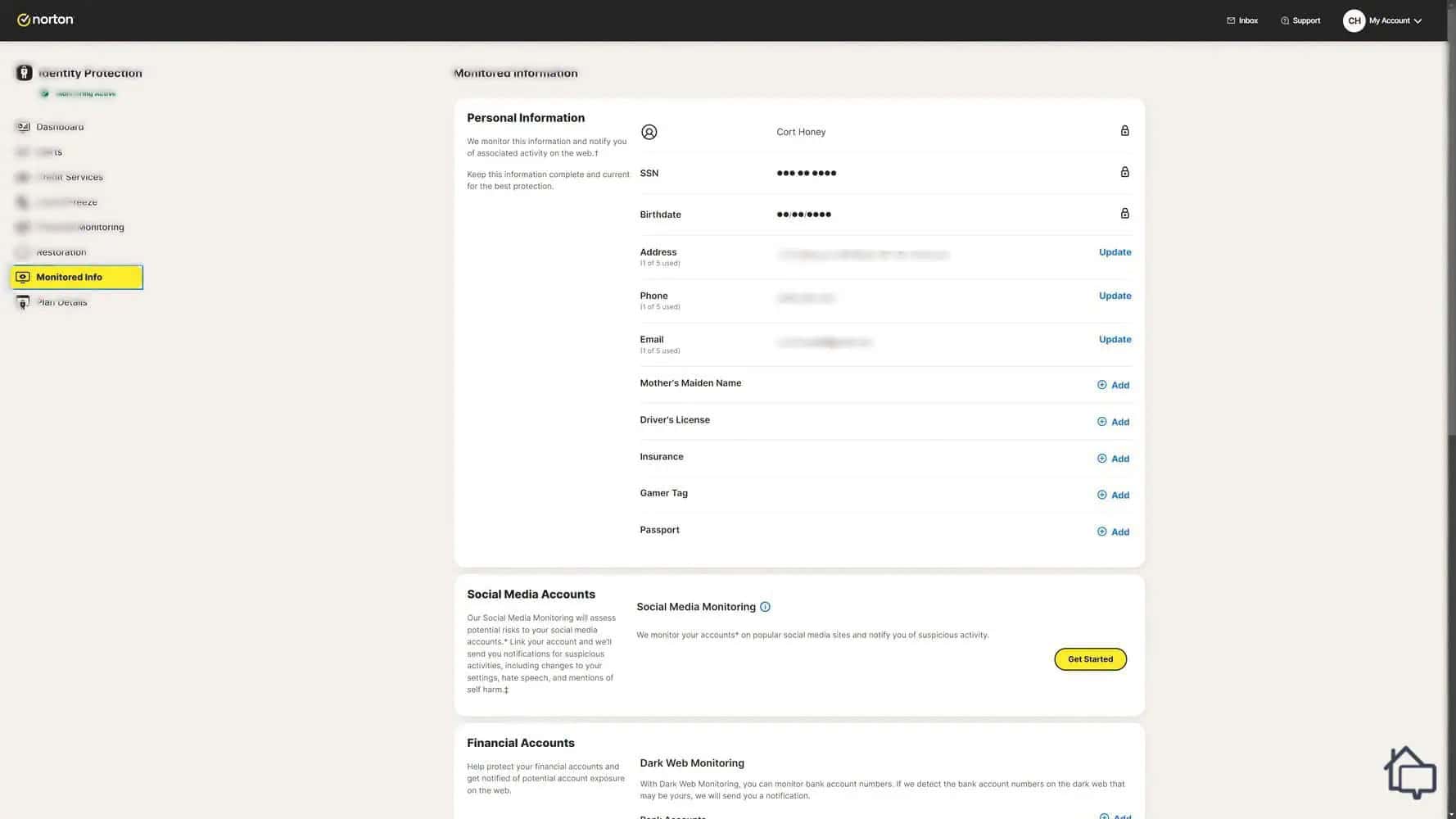
You can use LifeLock to keep an eye on a deceased loved one’s credit score and watch for suspicious changes

You can use LifeLock to keep an eye on a deceased loved one’s credit score and watch for suspicious changes

LifeLock is our top recommendation if you want the strongest overall combination of insurance, restoration support, and family plan flexibility while dealing with a loved one's estate. If your family member was already enrolled in IdentityForce, stick with it as the Deceased Family Member Fraud Remediation benefit still applies. It's the only service here built specifically for that scenario. And if you're managing your own identity alongside a deceased parent's or spouse's remaining accounts, Aura's flexible plan tiers and bundled VPN make consolidating that protection easier.

Whichever you choose, you’ll still need to notify the credit bureaus and Social Security directly, since no monitoring service sends those notifications for you. That said, investing in professional identity monitoring to protect your deceased family member’s estate is worth it in most circumstances.

FAQs

Citations
Written By
Max Sheridan
Identity Theft Protection Expert

Max Sheridan brings over two decades of writing experience to our team. He has spent 1,000-plus hours researching VPNs, identity theft protection, and various topics in cyber technology. Previously, Max was an investigative journalist, and he is also a published novelist. He earned a B.A. in Classics from the University of Virginia and an M.A. in Classics from the University of Illinois. He currently lives in Nicosia, Cyprus.