

You’ve probably seen a VPN advertised at a couple of dollars a month, then hit checkout and seen a bigger number. That jump is normal, and it’s where people overspend. One provider can charge as little as $2 a month on one plan and as much as $30 on another, depending on how long you commit and which tier you pick.
Guess wrong and you could end up paying two to three times more than you needed to for the same protection. Or you might dodge the price entirely, install a free VPN, and find out later that it makes its money from your data.
The sticker price doesn’t tell the whole story anymore, either. Many VPN subscriptions now come with antivirus, data removal, and other extras. Sometimes the pricier plan is the better deal, because it replaces something else you’d be paying for anyway. Today, we’ll break down what each type of plan costs, when it makes sense to pay monthly versus commit long term, and which extras are worth paying for.
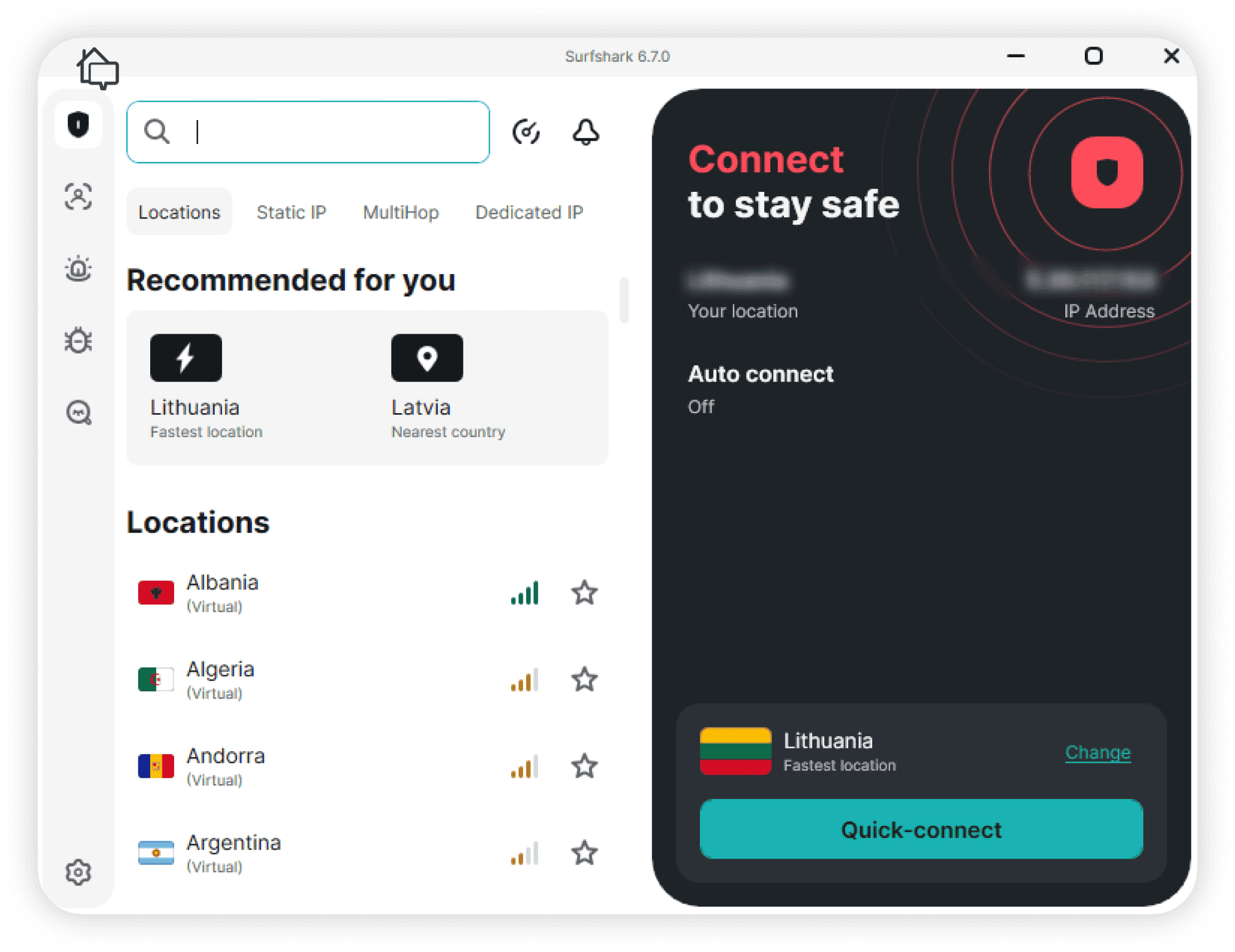
Surfshark’s VPN app
What Changes the Price of a VPN
From what we’ve seen in the industry, billing length moves the price more than anything else. A one-year plan usually cuts the monthly rate by more than half compared with paying month to month, and a two-year plan cuts it further.
Plan tier is next. Most providers sell an entry tier with the core VPN and one or two higher tiers that add tools. Extras like a dedicated IP address usually cost a few dollars a month on top.
Then there are promotions. In our time covering VPN pricing, the low rate in the ad has often applied only to the first term, so keep that in mind before you get excited about a headline number.
VPN Price Ranges by Plan Type
This table groups published pricing for the major consumer VPNs by how you pay.
| Plan type | Typical monthly cost | How you’re billed |
|---|---|---|
| Free | $0 | No charge, with limits |
| Month-to-month | $5 to $30 | Every month |
| One-year | $3 to $12 | Once a year |
| Two-year | $2 to $10 | Once every two years |
| Add-ons such as a dedicated IP | A few dollars extra | Monthly, or bundled into a tier |
Among the providers we cover, most price their monthly plans in the upper half of that range. The cheapest rates almost always come from two-year plans, and you pay for the full two years at checkout.
Here’s what that looks like in real money. A two-year plan at $2 a month comes to $48 at checkout, and that covers all 24 months. At the lowest month-to-month rate in the range, $5 a month, the same $48 gets you only nine months. If you already know you’ll keep a VPN for a year or more, we’d recommend the long-term plan. You get more than two and a half times the coverage for the same money.
Should You Use a Free VPN?
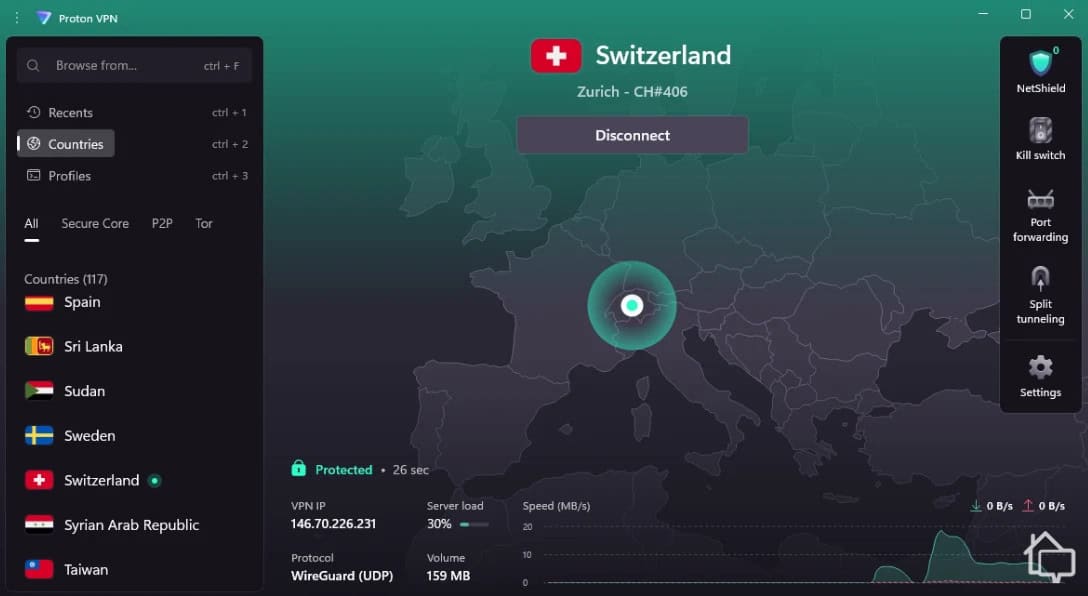
Proton VPN app
A free VPN looks like an easy way to skip the bill, but any VPN app deserves scrutiny before you install it. Studies have shown that some apps don’t encrypt your traffic, ask for sensitive permissions, or share your data with third parties.1
Every VPN asks you to move your trust from your internet provider or a public network to the VPN company. That makes the company’s business model the thing to check. A paid service earns its money from subscriptions. A free one has to earn it another way, and selling or sharing user data is how some of them do it.
In our experience covering the category, free plans fit low-risk browsing only, and only when the provider explains how it’s funded. For banking, work logins, or anything tied to your identity, choose a paid service with a clear no-logs policy. Our best VPNs roundup lists the ones we recommend.
Month-to-Month vs. Long-Term VPN Plans
Paying for a VPN is usually the smarter call, so the real question is how to get the most out of your money. Should you pay month to month, or lock in a cheaper long-term rate? A low rate pays off only if you keep using the plan, and flexibility pays off only if you need it.
When paying monthly makes sense
From what we’ve seen, paying monthly is the right call more often than the ads suggest. If you’re traveling for a few weeks, trying out a provider, or unsure you’ll keep using a VPN, you stay in control. You can cancel any time, and you won’t lose any prepaid months.
The catch is the rate. Twelve months at the monthly price often costs two to three times what a one-year plan does. Monthly plans also renew on their own until you cancel, so put a reminder in your calendar the day you sign up.
When a long-term plan is the better deal
If you know a VPN will live on your phone and laptop all year, go long. Two-year plans carry the lowest rates, and you won’t have to think about it again for a while.
Two things trip people up. First, you pay the whole term at checkout. Depending on the provider and tier, that can be anywhere from a few dozen dollars to a couple hundred. Second, across the industry the renewal price is usually higher than the intro price, and plenty of people only find out when the charge hits their card. Check the renewal terms before you buy, and set a reminder a few weeks ahead so you have time to shop around.
Look for a refund window
Whichever route you take, a money-back guarantee takes the sting out of a bad pick. The standard money-back window is 30 days, and a few providers stretch it to 45 or 60. It typically applies to your first purchase, so you can try the service and get your money back if it doesn’t work out. Many providers exclude renewals and purchases made through app stores, so buy from the provider’s own site and test the service early in the window.
FYI: VPN usage continues to be popular around the world, although numbers are stabilizing. Over the past few years, VPN downloads have been consistently over 400 million downloads.2
A VPN Subscription Can Include a Lot More Than a VPN
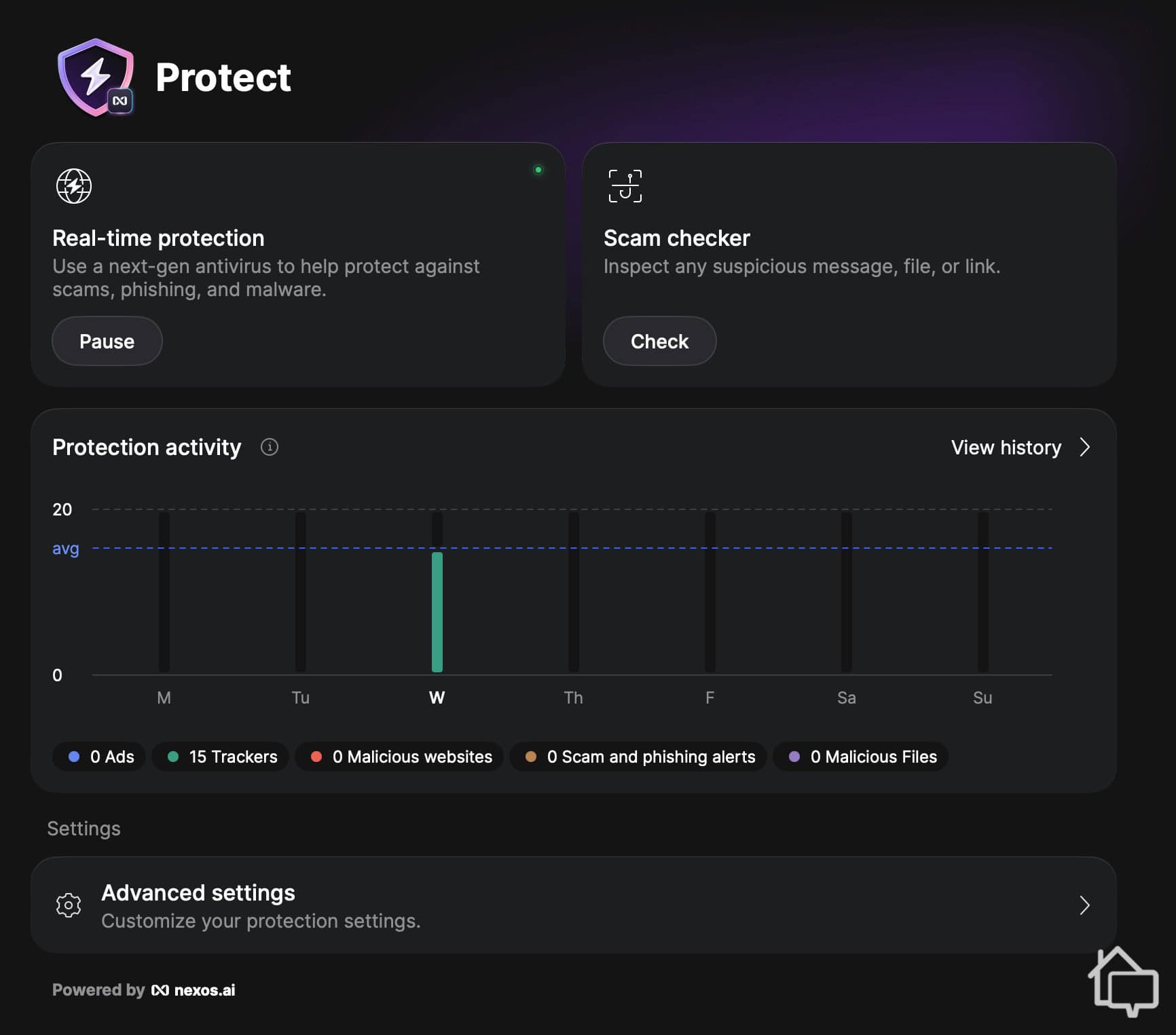
NordVPN next-gen antivirus in action.
These days, many VPN plans come with a small security suite attached. Over the past few years, we’ve watched providers fold in tools you’d normally pay for separately, which changes how you should compare prices.
NordVPN is the clearest example. Its US plans come in three tiers. Basic gets you the VPN and an independently audited no-logs policy. Complete adds Next-Gen Antivirus, which used to be called Threat Protection. Prime includes everything in Complete and adds Coveron, NordVPN’s identity theft protection service, in a lighter version than the standalone product. You can also add a dedicated IP or the Incogni data removal service on top of any tier.
Here’s how to use that when you’re comparing. Say you’d pay for identity protection anyway. Standalone identity protection services start around $8 a month, while moving from NordVPN’s Basic tier to its Prime tier on a long-term plan costs only about $4 more a month. That means you get access to identity theft protection for less than you’d pay a standalone service. That said, it’s only useful if you need the bundled service. If you wouldn’t use it, stick with the entry-level tier and skip the extras. Our NordVPN pricing and review shows exactly what each tier includes.

Get antivirus and a VPN in one plan
How to Pick Your VPN Budget
In our experience, the cheapest way to buy a VPN starts with what you already pay for. If you have a separate antivirus subscription, a bundled VPN tier might replace it and bring your total down. If all you want is a VPN, a basic tier on a long-term plan is the cheapest way in.
Then think about how sure you are. If this is your first VPN, pay monthly for a few weeks and see whether you actually use it. If you already know you will, take the long plan and lean on the refund window as your safety net.
Recap
A paid VPN usually costs roughly $2 to $10 a month on a long-term plan and up to $30 a month when you pay monthly. If you know you’ll keep a VPN for a year or more, a long-term plan buys far more coverage for the same money. Pay monthly if you want to try a provider first or only need protection for a short stretch, and set a reminder for the renewal date either way.
Skip free VPNs for anything sensitive, and check the refund window before you buy. If you’d pay for identity protection anyway, a bundled tier like NordVPN’s Prime can cost less than buying the two separately. If you wouldn’t use the extras, the entry-level tier is all you need.
VPN Cost FAQ
- How much should I expect to pay for a good VPN?
Most reputable paid VPNs cost roughly $2 to $10 a month on a long-term plan. Monthly billing costs more.
- Is a two-year VPN plan worth it?
It is if you’ll use the VPN regularly and the provider offers a refund window. You get the lowest monthly rate, but you pay for the full term upfront.
- Do VPN prices go up at renewal?
Often they do. Intro rates commonly apply only to your first term, so check the renewal price before you buy.
- Can I pay for a VPN monthly and cancel any time?
Yes, most providers offer monthly billing. The rate is higher, and you can cancel whenever you want.
- Do VPN subscriptions include antivirus?
Some do. A few providers bundle antivirus or identity tools into their higher tiers, and others sell them separately.