What Can You Flush? A Guide To What You Can and Can't Flush or Put Down The Drain
 |
February 17, 2026
|
February 17, 2026
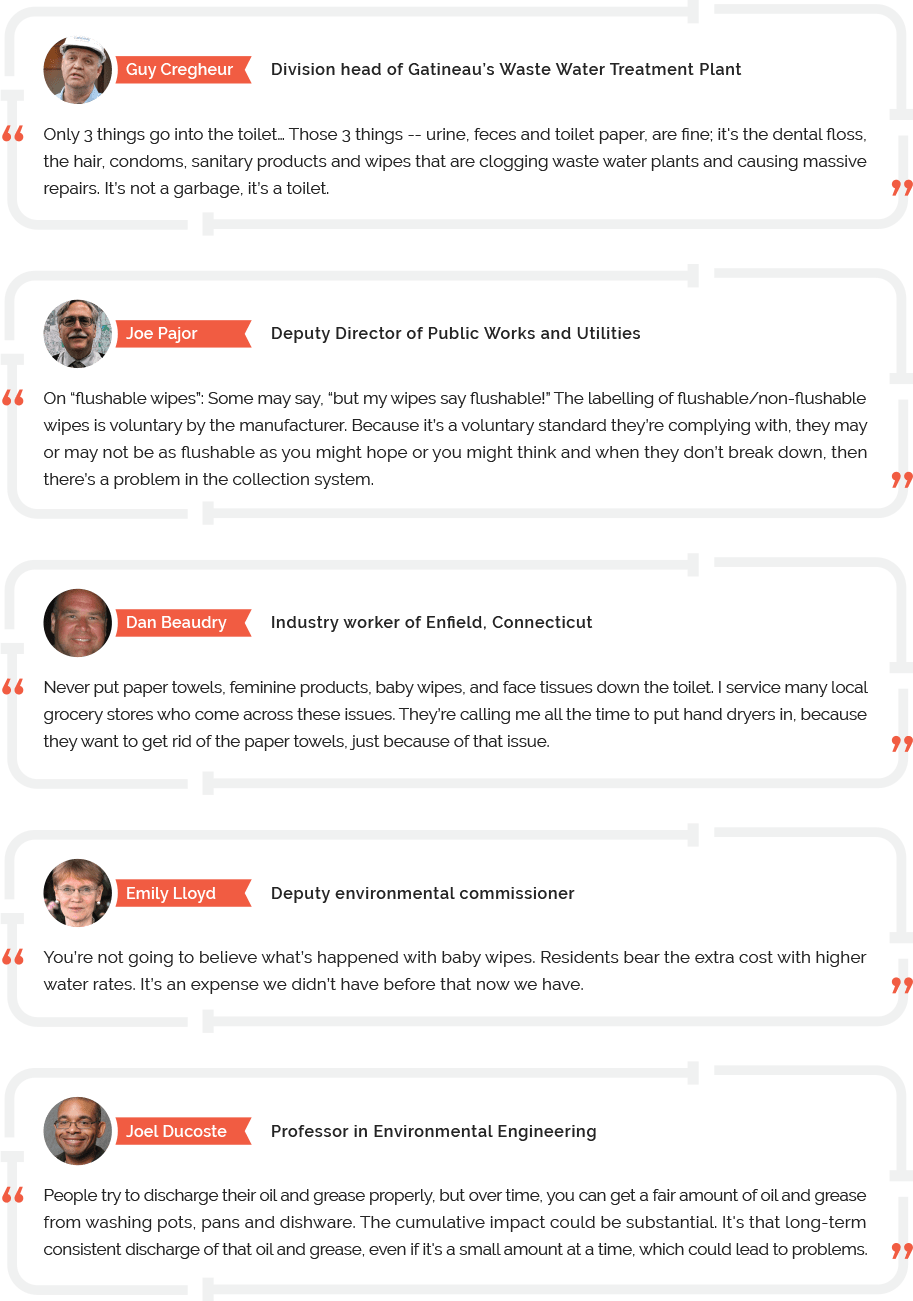
What the Experts Say
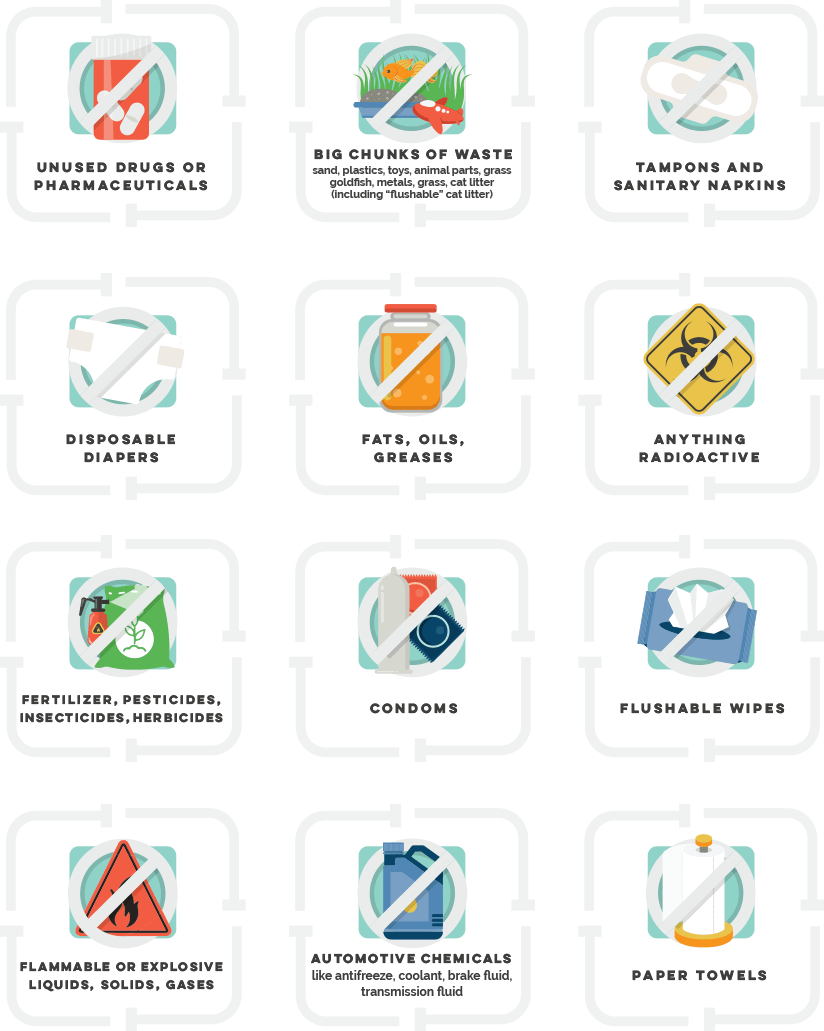
Things You Should Never Flush
Having to call a plumber to look at your clogged toilet or drain can be embarrassing and stressful. Unfortunately, many people have misconceptions about what they can and can’t flush down the toilet or put down the drain.
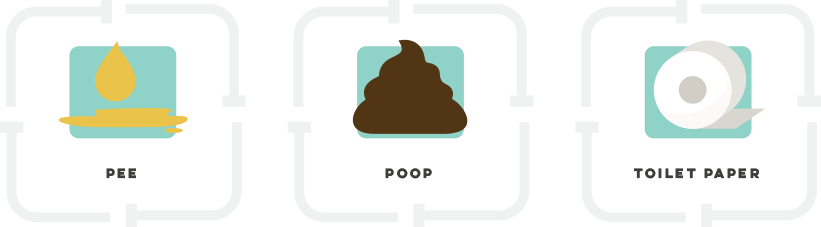
We recommend following the three Ps rule. The only three things you should be flushing down the toilet are pee, poop, and (toilet) paper. Despite seeming similar, items like Kleenex, paper towels, and facial tissue should never be flushed. They may seem like they’re in the same family as toilet paper, but they take a lot longer to break down in the sewer system and cause sewage blockages.
Some other things that you may be tempted to flush but shouldn’t include:
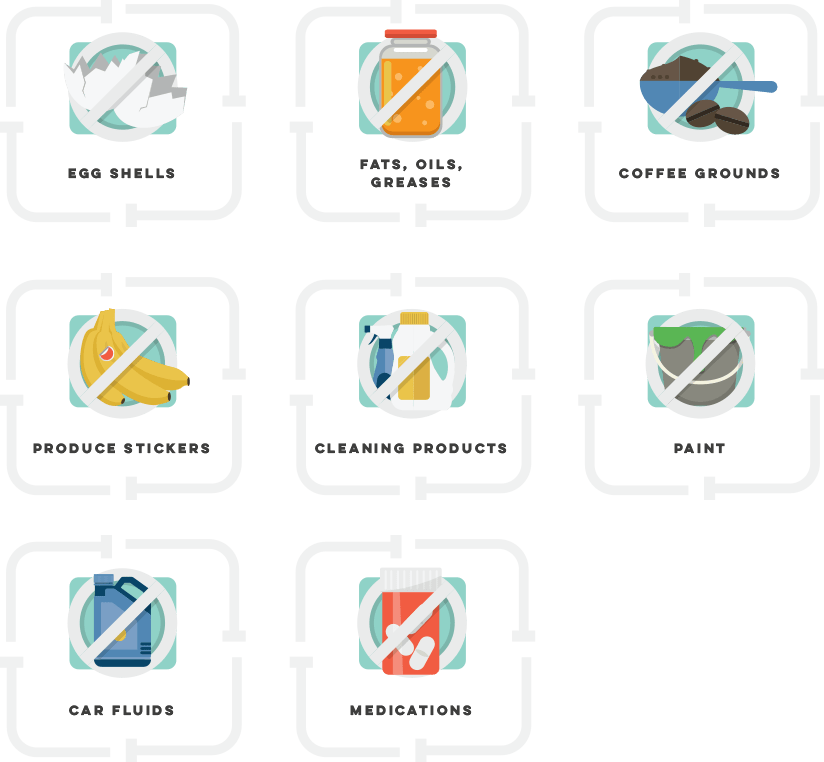
Things You Should Never Put Down the Drain
It can be tempting to just spin everything down the drain after cooking, especially when a big pile of plates and pieces of food accumulate. However, what we pour down the drain can cause issues in the long run for our household pipes and septic systems. In turn, this could harm water ecosystems and their inhabitants. While water treatment facilities work hard to remove contaminants, a lot of these chemicals and substances still end up in the oceans, rivers, and lakes.
Want to make your life at home easier in the long run while helping the environment? Here are some things you should be mindful of, and keep them out of the drain.
Cost To Fix A Blockage At Home Due to Improper Flushing
Flushing things down the drain at home can lead to costly repairs. For example, items such as dental floss and flushable wipes that are mistakenly thought to be safe for flushing can lead to sewage pump failure. Replacing the sewage pump can cost from $500 to $1,200. Unclogging pipes within the house can cost from $150 to $350, depending on the severity and location of the blockage.
The real budget buster would be a blocked main sewer line, causing sewage to back up into the house. The cost to fix this issue can be from $3,000 up to $12,000, especially if excavation is required. Not only is the cost high, but the blockage can result in a noxious smell like rotten eggs coming from the drain openings.
Pouring household chemicals down the drain can also corrode your pipes. Over time, such chemicals could weaken the main sewage line, which we already showed to be a very nasty and costly repair.
Cost To The Public Waterworks
What you put down the kitchen drain and the toilet may seem like an “out of sight, out of mind” scenario, but it is not at all. If your pipes don’t get immediately clogged and cause costly repairs, the public waterworks systems could get severely damaged from items that should not be there.
Flushable wipes are prime culprits. Utility companies spend millions annually dealing with wipe-related clogs and equipment problems. There are reports all over the country of costly efforts to remove gigantic lumps that weigh tons because the wipes don’t break apart and can combine with congealed food that forms into massive lumps.
Individual blockage removal operations can cost municipalities up to $1 million. We’ve read that some cities spend more than $5 million just for wipe-related maintenance. Worldwide, the maintenance cost is estimated to be in the billions. Wet wipes are also an expensive culprit, with sewage companies reporting that up to two-thirds of their blockages are caused by these gremlins.
Environmental Impact of Non-Chemical Items
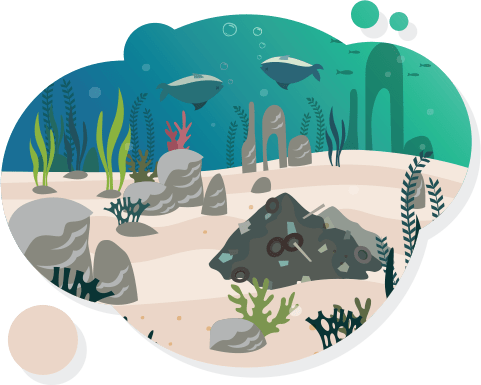
Environmentally speaking, flushing wet wipes is detrimental because they are made with synthetic fibers, which are plastics. If wet wipes make it all the way to the ocean, they end up as microplastics and cluster with other microplastics, adding to the vastly growing problem of garbage swirling in the oceans and ending up in the digestive systems of sea life. There is even a 620,000-square-mile ecosystem of trash named the Great Pacific Garbage Patch between California and Hawaii.
Dental floss is another common item flushed down the toilet that should not be. It does not biodegrade, can block sewage lines, and may end up in the ocean where sea life can choke on it.
Environmental Impact of Chemicals in Household Items
A few common cleaning chemicals end up in waterways. Nitrogen is often found in glass, surface, and floor cleaners. Ammonia is in many cleaning products as well, including sanitizers and degreasers. Phosphorus makes up 40 percent of many conventional dishwasher detergents. Several states have now banned or limited phosphates in these products.
Water treatment processes do not remove these chemicals, and they end up in waterways. They cause some plant life to grow unnaturally fast, leading to a type of damming effect that harms wildlife’s chances of survival. These plants die off together in huge amounts, then decay, and deplete the oxygen in the water. Algae begins to grow shortly thereafter, which further takes up the oxygen in the water, leading to more fish and wildlife die-offs and continuing the cycle of decay. Ultimately, water that was once part of an ecosystem and safe to drink has become unsafe for even bathing.
Labels Can Be Misleading
The wet wipes you buy may say they are “flushable,” but the reality is murky at best. Wet wipes undergo testing based on guidelines from INDA and EDANA (the trade associations representing the wipes industry). These tests have been criticized by wastewater utilities as inadequate for real-world conditions. These tests, however, were created by the trade organization that develops and sells wet wipes rather than by the public waterworks agencies and sewage companies that actually deal with the aftermath of wet wipes. The tests claim the wet wipes disintegrate, but that is after three hours of sloshing back and forth. In the real world, wet wipes reach the sewer lines within a few minutes. Here, they get stuck and cause a blockage, as there is no agitation at that point to break them down.
The tests are also done in ideal laboratory conditions. The reality is that real-world sewer systems vary dramatically in age, flow rates, and design. Most municipal sewer systems were built to process just toilet paper and human waste, not the thicker, more durable materials used in wet wipes. Several studies show that even “flushable” wipes can take weeks or months to break down in actual sewer conditions.
How To Properly Dispose of Household Chemicals
You can flush some household chemicals down the drain with lots of water but only if the chemical will be rendered harmless with water and if the sewage system of your town can remove the toxins. Contact your local water treatment plant to find out which chemicals can go down the drain safely.
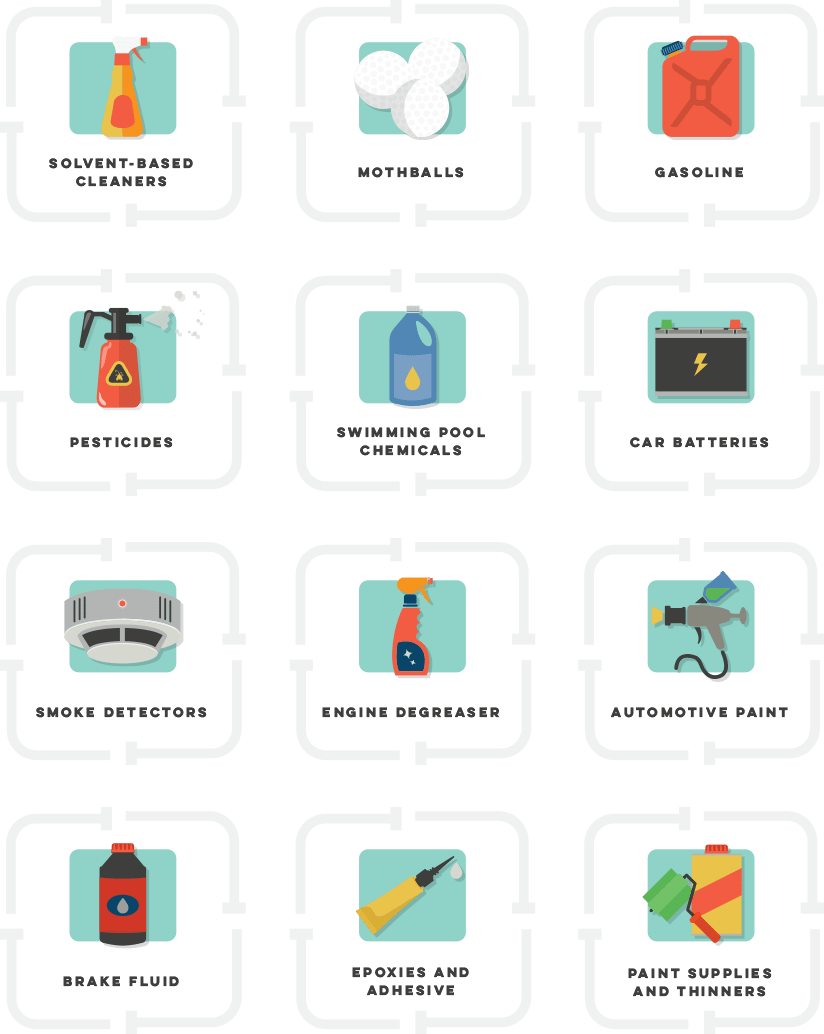
Save all other household chemicals in gallon jugs and old drink bottles. Most communities have collection days. You bring hazardous waste to a designated drop-off point for the city to safely recycle or dispose of the waste. Some things to save for collection days include the following:
How to Dispose of Unused and Expired Medications
Medications, including expired pills, are an oft-overlooked item to never flush down the toilet. These meds and what’s inside them end up in drinking water across the country. For safe disposal, seek out local organizations that collect expired and unused pills. You can also mix the pills with coffee grounds, kitty litter, or something else that’d keep them from being eaten by children or animals sifting through trash.
How to Dispose of Kitchen Waste – Grease and Oils
Instead of pouring grease and oils from your cooking down the drain, you can compost them for your home garden. That said, too much grease can lead to low-quality and smelly compost as it can block oxygen from breaking down the compost properly. A lot of grease in your compost pile can also attract animals. Another option is to find local programs that accept your kitchen waste for recycling since grease and oil can be converted into biofuel. We recommend pouring the grease and oils into sealable containers. We use old coffee containers, glass jars, or milk jugs and throw them out with our regular garbage once the grease has solidified.
Ways to Reduce Usage of Destructive Items
Many household items can end up causing damage to your plumbing, the municipal water treatment plant, and the environment. Below are ways to reduce the usage of various items that cause problems when put down the drain.
Paper-based products such as paper towels can be harmful. They should go in the trash or compost pile, never down a drain or pipe. Try replacing them with rags, towels, and other reusable products. To reduce the use of flushable wipes, we suggest installing a bidet attachment. They typically cost from $30 and $200 and can eliminate the need for wipes entirely.
When you buy household cleaning supplies, look for the EPA’s “Safer Choice” designation. Compare which chemicals are used and which are less toxic, or can be treated by your water treatment plant to not cause harm to the environment. More cleaners these days are green/eco-friendly and made with enzymes, oxygen, and citrus. Also, instead of using chemicals to open up a clogged drain, try using a metal snake.
Bottom Line – Flush Only The Three P’s
Pee, poop, and toilet paper: The three P’s are fine to flush. Anything else will eventually damage your property’s plumbing, the city’s waterworks, and the environment. Remember that even products labeled as “flushable” or “septic-safe” may not break down quickly enough to prevent clogs. When in doubt, throw it out in the trash rather than the toilet. Take an extra bit of time to properly dispose of hazardous chemicals and kitchen wastes, and approach claims such as “flushable wipes,” with caution. Happy flushing!
Resources
Here are more resources if you’re curious to find out more about the topics above.
Read more about what can and cannot go safely down the drain.
Get details on the FDA’s flush list, and read about drug take-back locations.
Read about how sewer lines work and how to keep them in good shape.
Find out more about the principles of plumbing and the importance of not flushing certain items.