No one can completely escape the reach of cybercriminals and data breaches. Your best defense? A robust identity theft protection service.
We like that Aura takes a proactive approach. They believe prevention beats recovery every time. That’s why they bundle security tools like a VPN to shield your online activities and antivirus software to block data-stealing malware. If you end up being attacked, every Aura customer gets up to $5 million in identity theft insurance coverage to get them back on their feet.
This level of protection isn’t cheap. Aura charges premium prices for their comprehensive coverage. Is all this protection necessary for you? We’ve got the answer. After extensive testing of Aura, we’ve broken down everything you need to know.
Pro Tip: Think your kids are safe from identity theft? Unfortunately, they’re not. Children face heightened risk because this type of crime often goes undetected for years. It might only get discovered when they apply for their first credit card or student loan. Check out these five sobering child identity theft statistics for more information.
Aura Pros and Cons
PROS
Comprehensive digital security suite with VPN, antivirus, and password manager included
Monitors data sources many competitors miss, including home titles and court records
Provides up to $5 million in identity theft insurance coverage
Offers flexible solutions tailored for small businesses
CONS
Business pricing requires contacting sales or starting a trial
Limited scalability for enterprise organizations
VPN lacks advanced features compared to standalone services
First Impressions
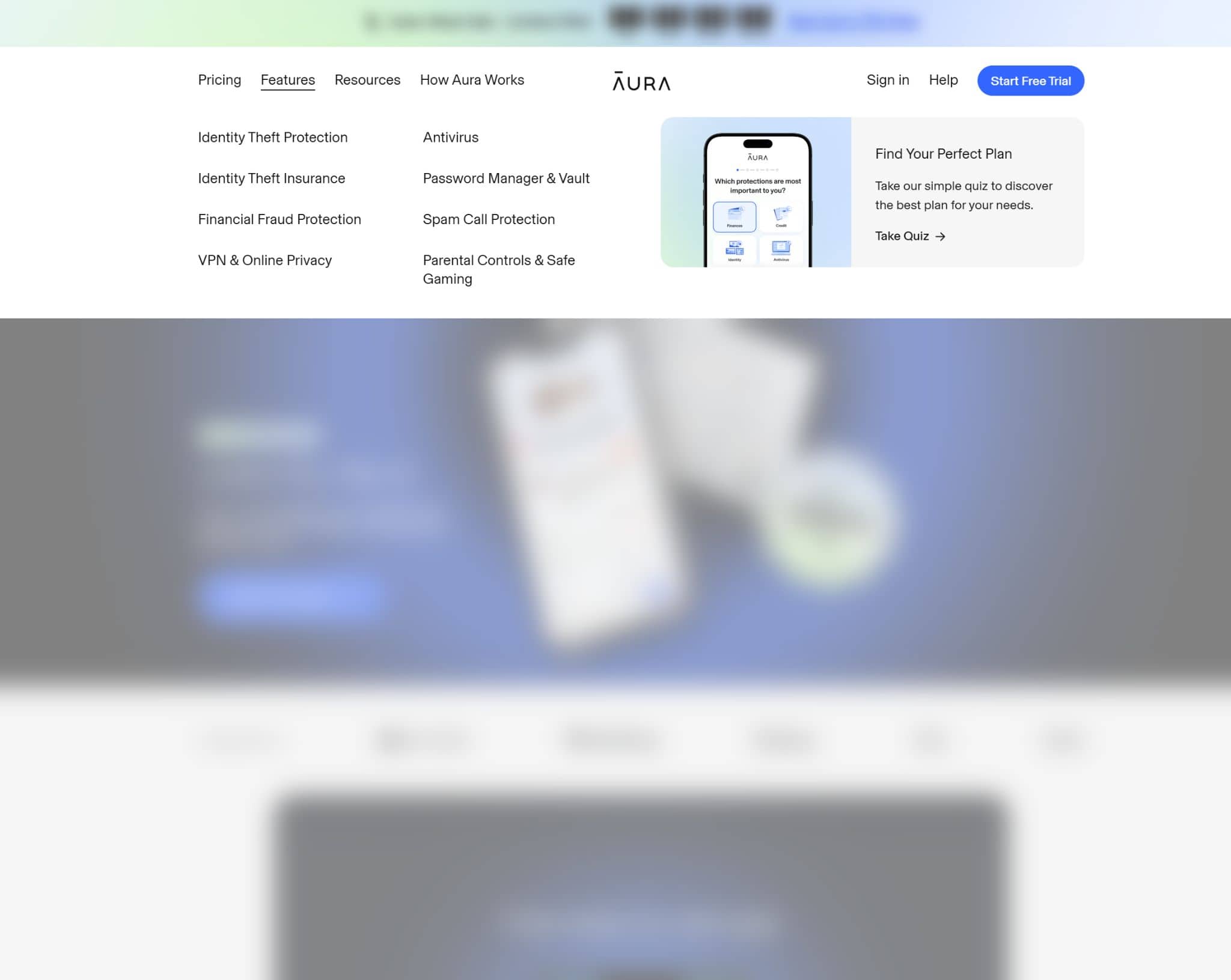
Aura’s website is very simple to navigate.
We found it easy navigating Aura’s website. There was no confusing jargon or hidden menus.
Aura impressed us with clear, accessible information presented logically. The straightforward language and intuitive navigation made us comfortable enough to trust them with our personal data during testing.
Aura’s pricing structure follows this same simplicity. Aura has three plans named after who it’s covering. Individual covers one person; Couples protects two adults; Family safeguards up to five adults plus unlimited children. Every option includes the same comprehensive protection. The only difference is how many people are on the subscription.
Aura also offers a Kids+ subscription designed specifically for digital parenting. This add-on provides comprehensive parental controls, content filtering, and safety features to protect children from cyberbullying and online predators. While it requires one of Aura’s main plans to function, we believe it’s an invaluable tool for families.
You’ll find cheaper identity protection services, but we don’t think they match Aura’s comprehensive coverage. Take Identity Guard. Their entry-level plans start around $7.50 monthly, but they don’t include three-bureau credit monitoring like Aura. To get comparable features with Identity Guard, you’re looking at nearly double the cost of Aura.
Better yet, compare Aura’s Family plan to LifeLock and you’ll see that Aura protects unlimited kids whereas LifeLock limits their protection to five kids. For a larger family, that extra protection is necessary. Plus, Aura costs about $30 less per month. To be fair, LifeLock offers a bigger insurance policy.
Pro Tip: Aura offers a 14-day free trial to test their service. Once you pay for a subscription, you have a 60-day money-back guarantee. That gives you over two months to decide whether their protection meets your needs.
What we think sets Aura apart is the security extras rarely found in identity protection packages. Family plan subscribers get access to several parental controls. We could monitor our children’s online activity, block inappropriate content, and manage screen time. The plan even has an option to protect them against cyberbullying and predators.
Even without kids, Aura offers valuable bonuses. The VPN encrypts your internet connection and masks your location from trackers. You also get antivirus software to block malware, phishing attempts, and malicious websites before they compromise your data.
We also like that plans cover up to 10 devices per person. Couples can share a 20-device limit, while families receive 10 devices per registered member.
Aura: Purchasing and Setup
It took us a while to get started with Aura. They need a lot of personal details to effectively monitor your identity. At least the process was clear and user-friendly.
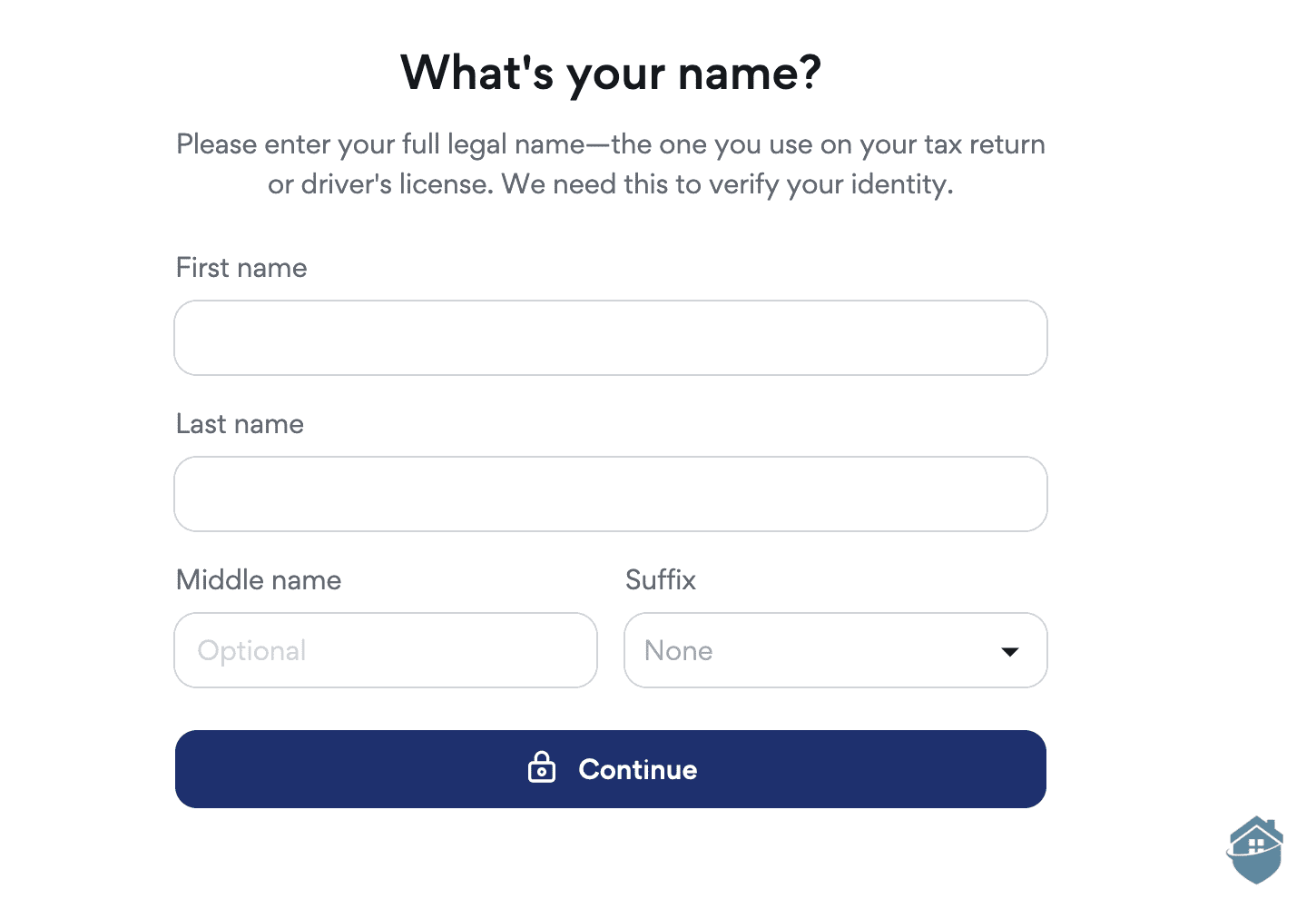
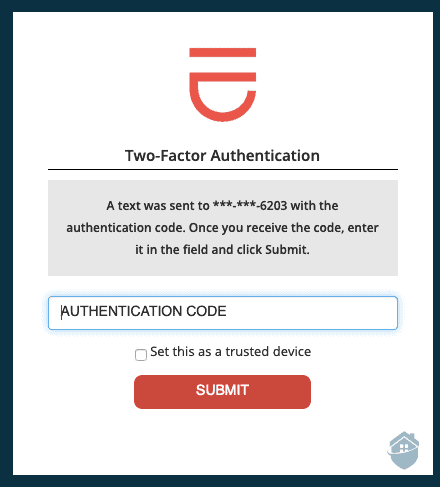
After selecting our plan and providing an email, Aura walked us through their intake questionnaire. This collects essential personal data including Social Security Numbers, birthdates, and addresses. While we recommend limiting personal information shared online, identity protection services require these details to work effectively.
Before sharing sensitive information with any identity protection service, we always verify their security credentials. We thoroughly examined Aura’s SOC 2 Type II certification, their 256-bit AES encryption standards, and their zero-knowledge architecture. This due diligence typically takes us about five hours.
Signing up for Aura
Payment options include monthly or annual billing. We recommend an annual plan as it offers a discount and includes that 60-day guarantee. Payment methods include major credit cards and PayPal.
With setup complete, we accessed Aura’s dashboard to monitor and manage our identity protection.
Aura’s Dashboard
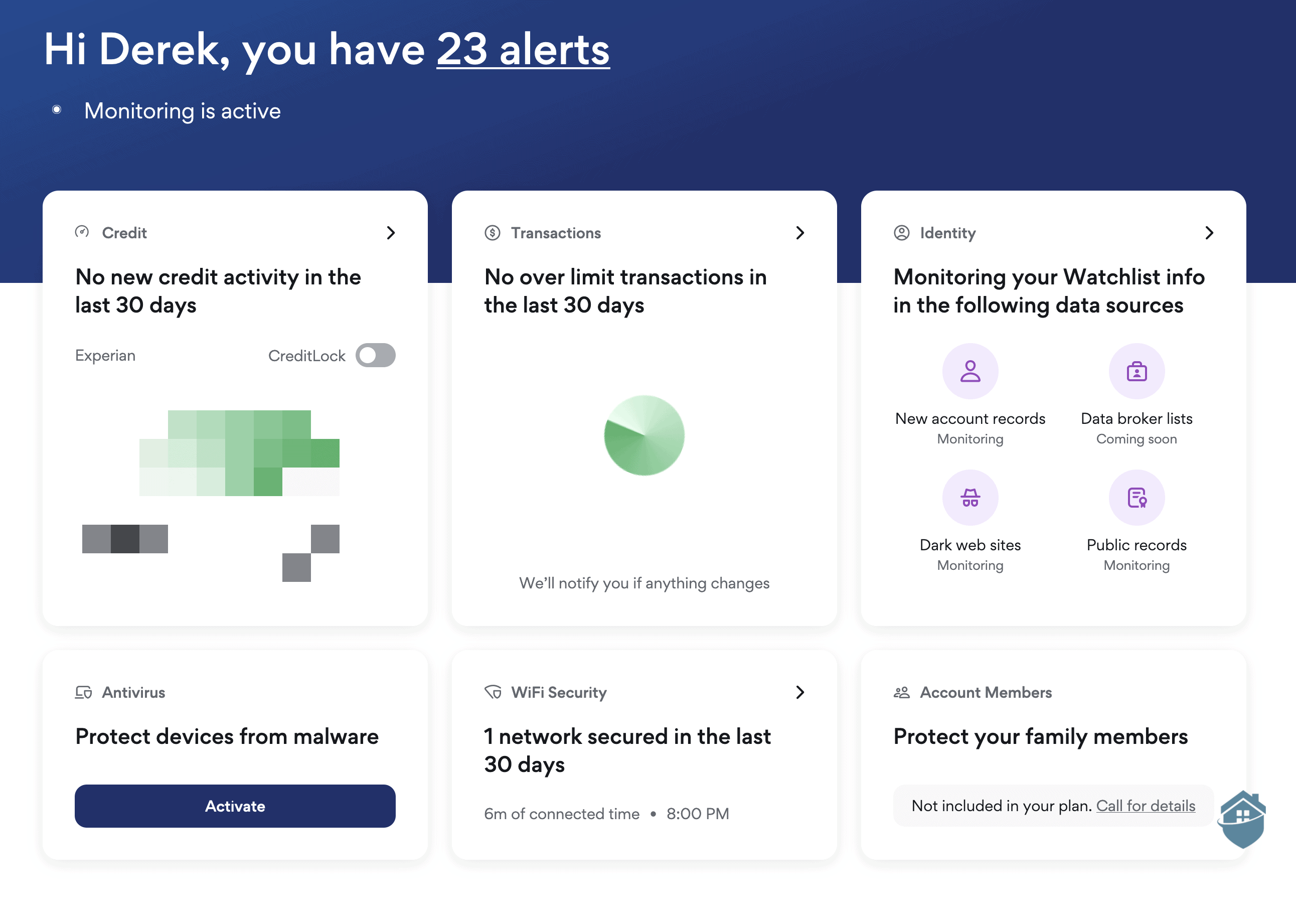
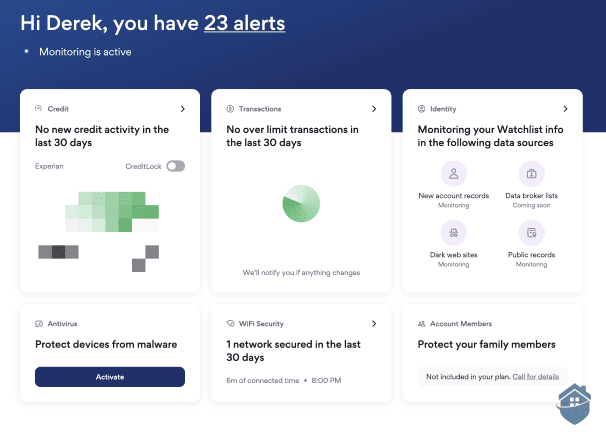
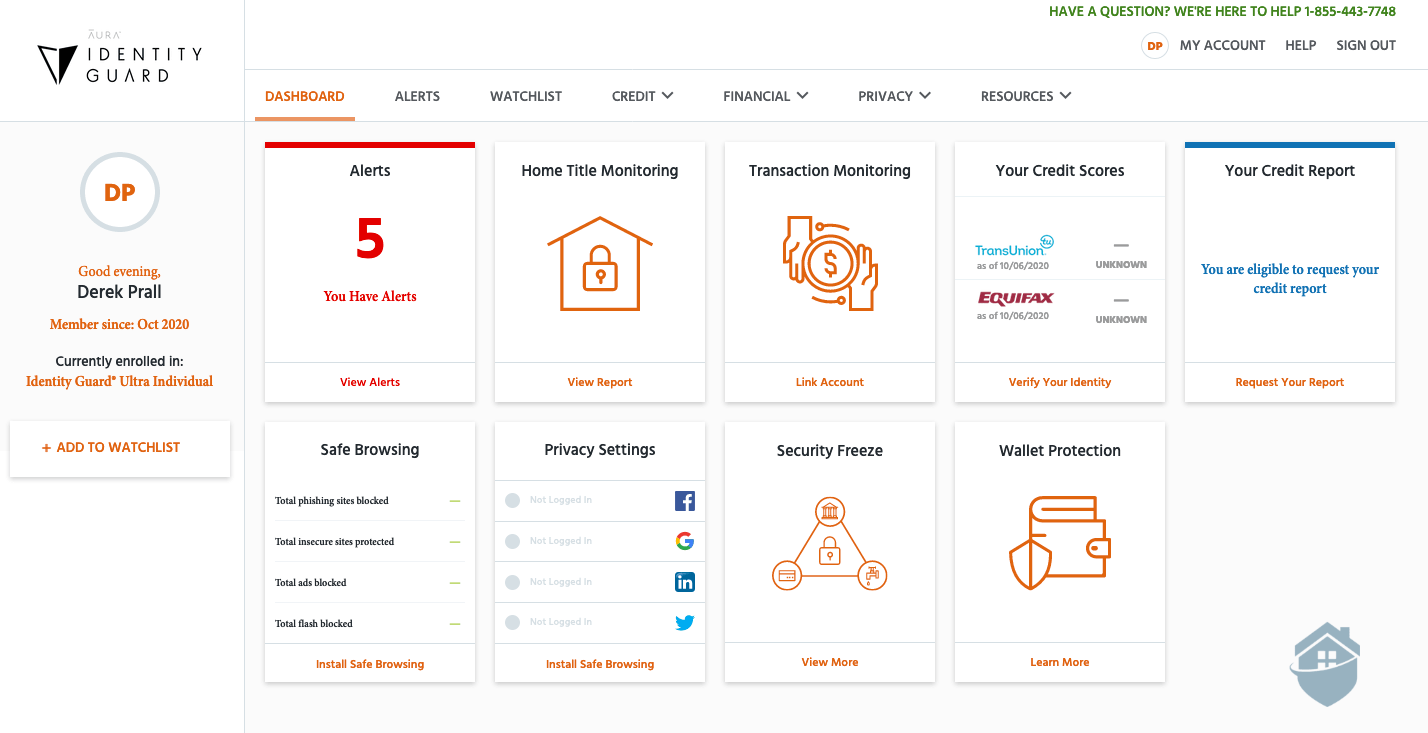
We’ve found many identity protection dashboards overwhelming initially due to the amount of information and numerous settings to configure. However, we didn’t have this experience with Aura. The tile-based interface presents your protection status clearly, and it’s simple enough to make adjustments.
Credit Profile
The first tile contains information about our credit profile. To get it started, we clicked ‘Activate’ and then Aura asked us questions about our credit history to confirm our identity. For instance, they asked us about past addresses and specific loan payments we’ve made. This shows how seriously Aura takes security.
Once we’d established our bona fides, it was on to configuring our account. That took about half an hour. Not bad considering that Aura had to connect with the credit bureaus and compile an enormous amount of information about us.
Pro Tip: You should always keep an eye on your credit files — go over them at least once a year. Approximately 26 percent of consumers have at least one significant error on their credit reports that could impact their credit scores.1
More importantly, Aura monitored our credit files from all three major credit bureaus — TransUnion, Experian, and Equifax. This ensures that we would find out about any new lines of credit under our name immediately, so we could take action if it’s fraudulent.
Aura doesn’t just monitor your credit. It also gives you the tools to control your credit. For instance, you can lock your credit down. This is a great way to ensure no one can tamper with it. You can always unlock it if you need to apply for a loan or shop for a mortgage.
Pro Tip: There are two ways to block your credit file — a lock and a freeze. A lock can be instantly toggled on and off, while a freeze takes at least an hour to undo.2 That’s why we prefer credit locks. You’ll need to sign up for each credit bureau’s credit lock program, but then it’s easy to toggle on and off.
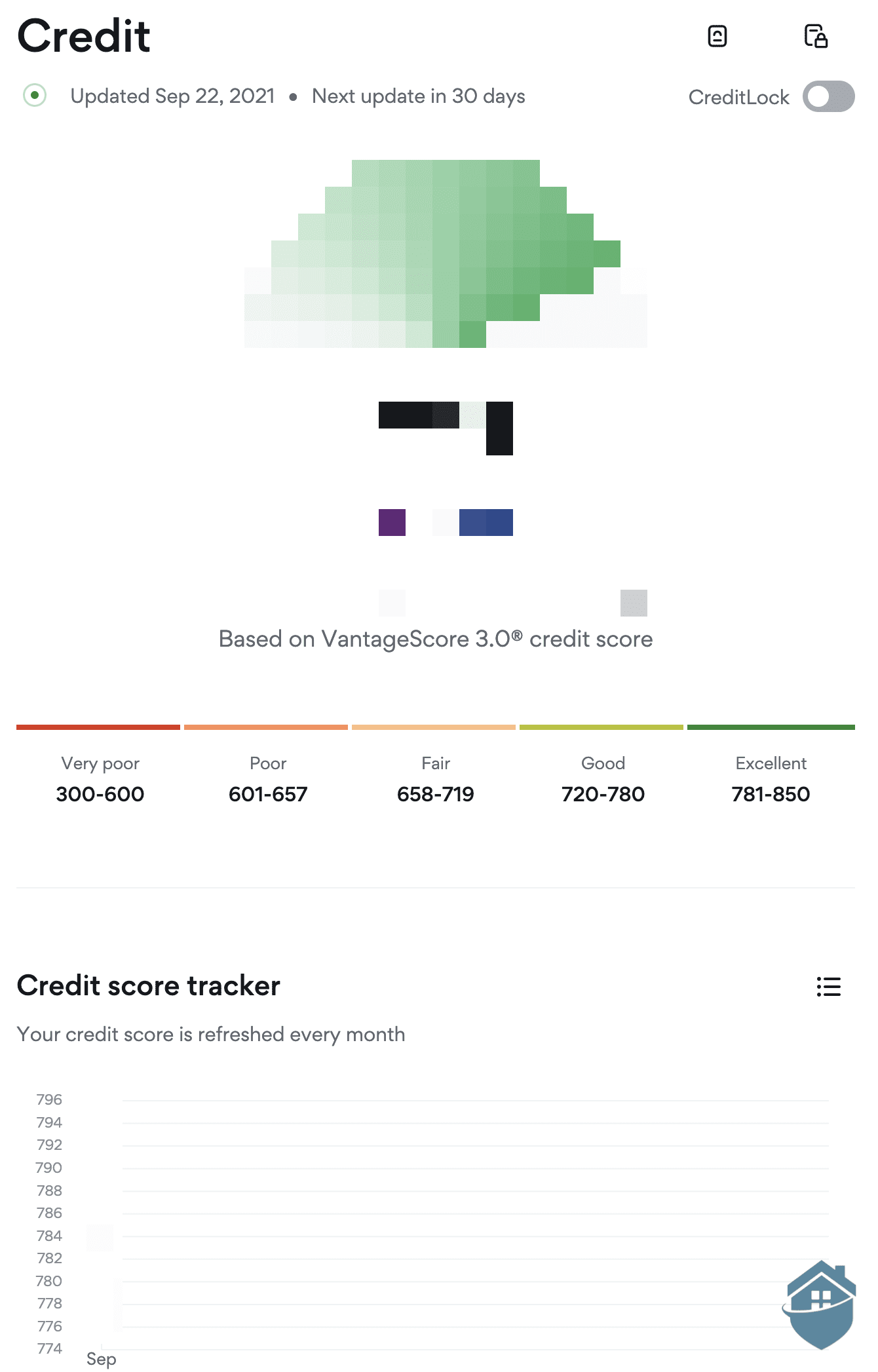
Aura also offers a credit score tracker, which shows your progress over time and provides information about why your score is what it is. This can be a great tool for anyone looking to re-establish their credit after a financial hardship or boost their credit to secure a loan at a lower interest rate.
Aura’s credit score tracker
You’ll find the tracker at the bottom of the page. It starts out blank, but once you’ve used the service for a few months, you’ll see the dot move, and you can plot your own score as it (hopefully) improves.
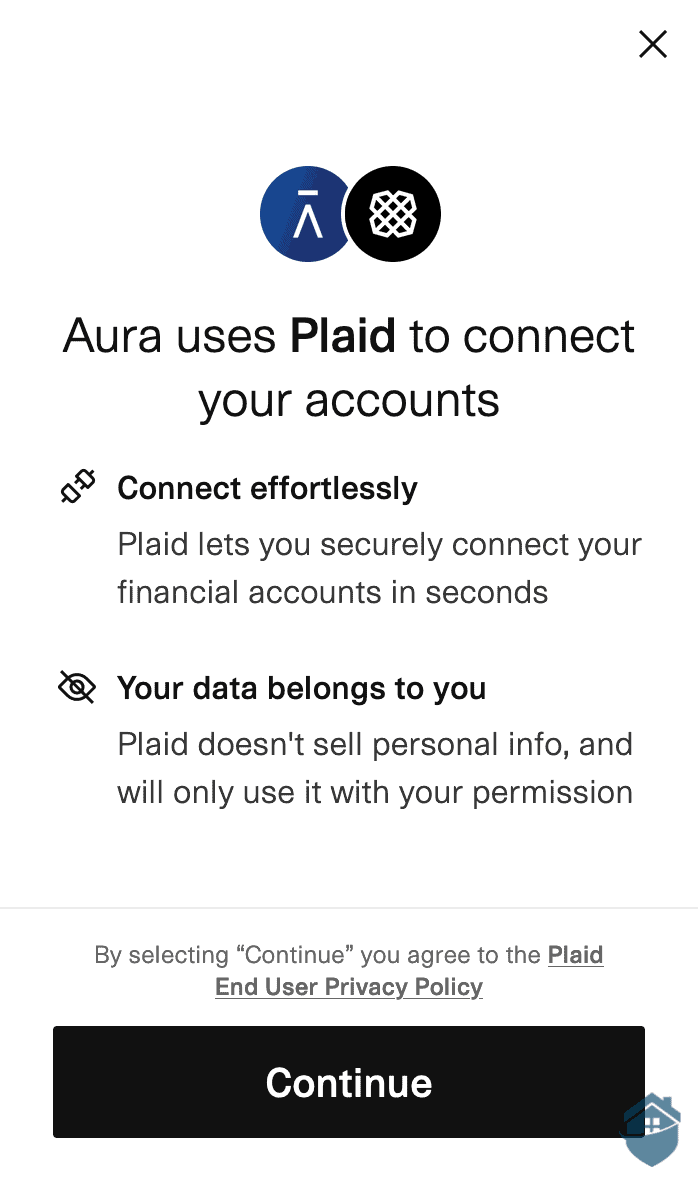
The next tile let us link all of our financial accounts to Aura. That way, Aura could monitor them and alert us to any suspicious activity – large withdrawals, for instance, or unusual deposits. To ensure a secure connection between Aura and your financial accounts, they connect via Plaid, which uses heavy-duty encryption.
Aura uses Plaid to connect to your financial accounts
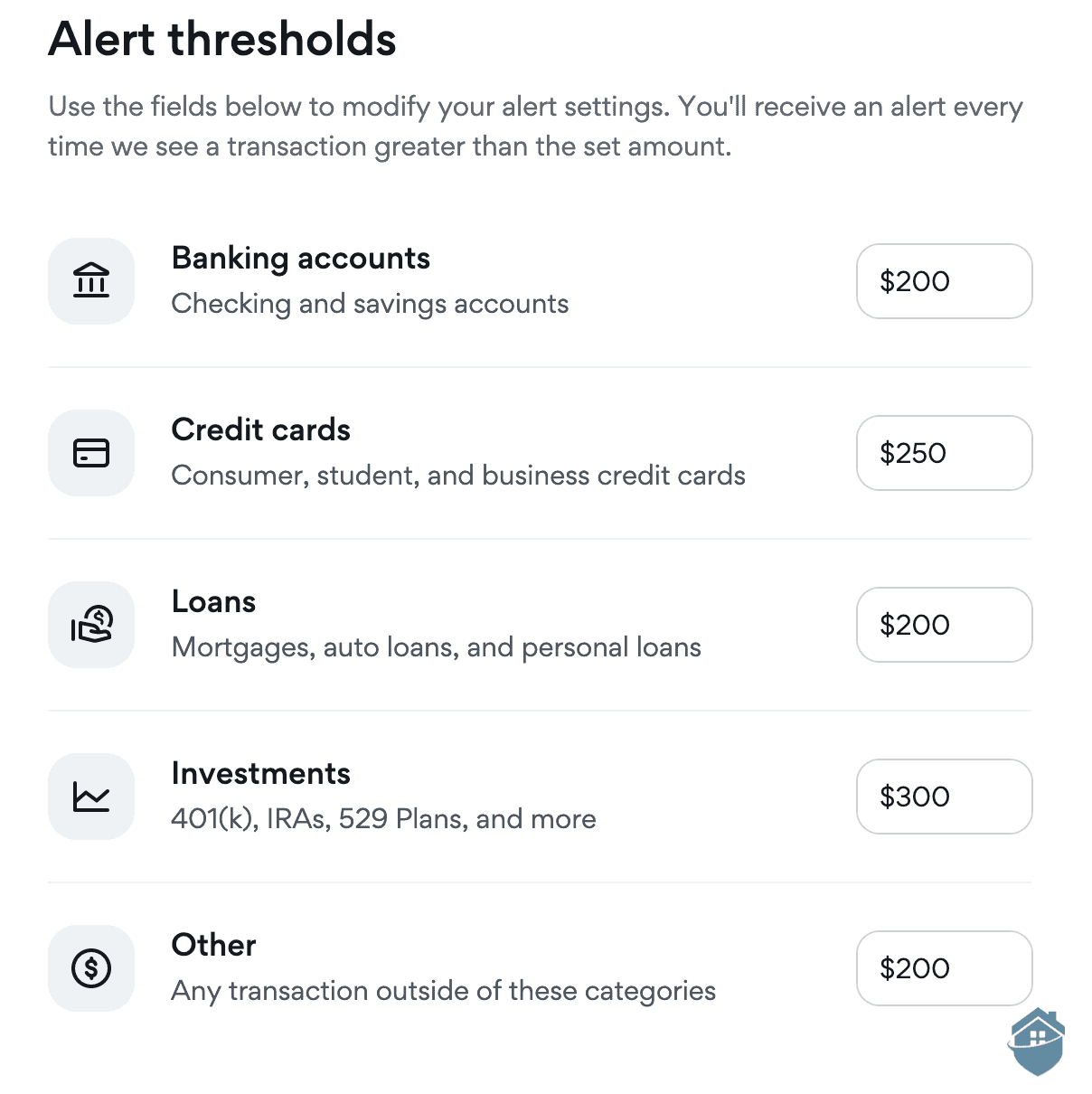
Once we selected our bank and entered our username and password, we were ready to go. Once connected, Aura monitored all our connected accounts for transactions beyond a certain threshold that we set.
FYI: We typically keep all of our transaction alerts at or around $300. That way we’ll know if serious money is moving, but we won’t be bombarded with alerts every time we buy lunch.
Setting Aura’s alert thresholds
Identity Monitoring
The next tile explained Aura’s identity monitoring services. Basically, Aura monitors everything from public records to new accounts opened in your name to data broker sites and even the dark web. The company even promises that it can get risky data removed from broker sites, which can significantly reduce your risk of identity theft.
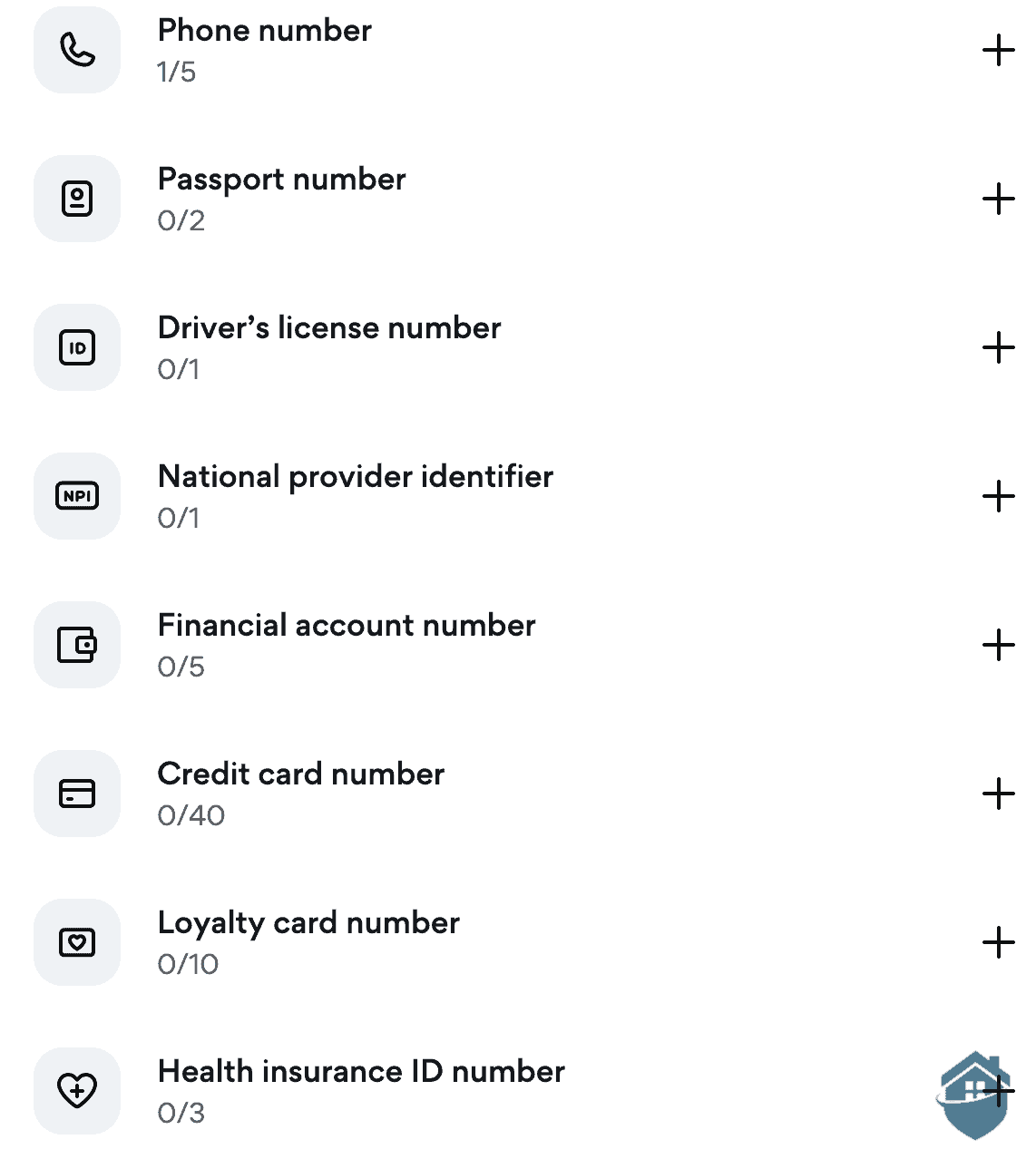
How does Aura monitor your identity? That’s where all that information you gave the company in the beginning comes in. Don’t worry if you skipped some of those questions. You can always go back and enter additional information. Aura can only monitor the aspects of your identity you’ve given it access to, but it’s easy to adjust your profile as your life changes.
Additional information Aura can monitor
Very few identity protection services are as comprehensive as Aura. Identity Guard is one of them, but like we said earlier, only when you subscribe to their premium plan. Check our Aura vs. Identity Guard guide to see which service will best fit your needs.
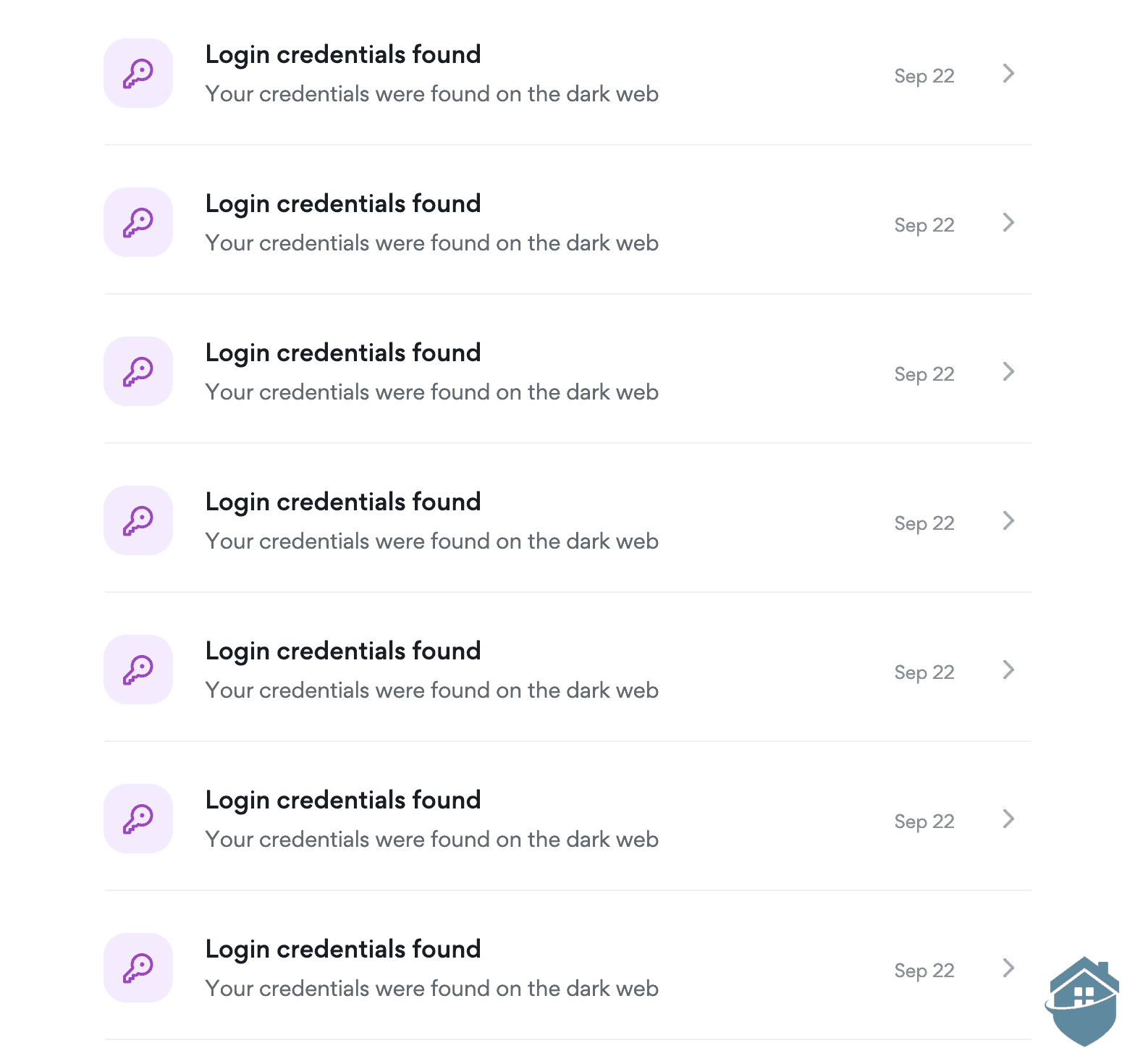
The real test came when we activated monitoring. Within minutes, Aura discovered 31 instances of our personal information on the dark web. While this sounds alarming, it demonstrates just how thoroughly Aura scans these hidden corners of the internet. Most services we test find a dozen instances at most.
Alerts from Aura
31 notifications is substantial. While most of those hits were old email addresses or partial matches, a few were legitimate concerns. Of course, we addressed them immediately. This level of detail shows how thoroughly Aura scanned for our information.
Three of Aura’s Most Unique Features
Once you have Aura installed and set up, the software does the rest. You get regular alerts any time the service thinks there’s a problem with your identity. Aura goes a step further in protecting your identity by offering a set of proactive measures to make sure your personal information doesn’t fall into the wrong hands.
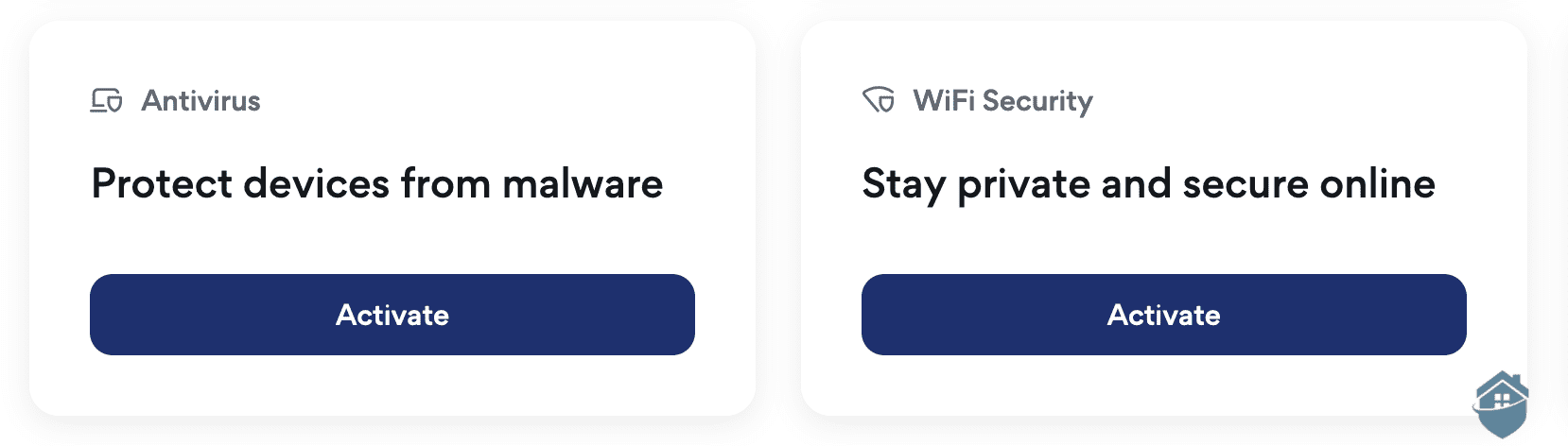
Aura’s Antivirus
Aura’s antivirus and VPN functions
Aura provides access to a really good antivirus for Windows, macOS, and Android. This is software that protects your devices from malware infections, which can compromise your personal and financial data.
The antivirus service provides comprehensive protection against all types of malware, including ransomware, adware, trojans, spyware, and rootkits. The antivirus program also provides real-time web protection, which means it blocks scam and phishing websites.
Aura’s VPN
Aura also offers a VPN (Virtual Private Network) for Windows, macOS, Android, and iOS devices. This is an online app that encrypts your internet traffic, making it unreadable. This prevents hackers from intercepting your traffic and stealing your personal information.
On top of that, the VPN also hides your IP address (which reveals your location). Basically, you surf the web via the VPN, so only its IP address will be visible. This way, malicious actors won’t be able to track your IP address. What’s more, ad trackers won’t be able to associate it with your online preferences either.
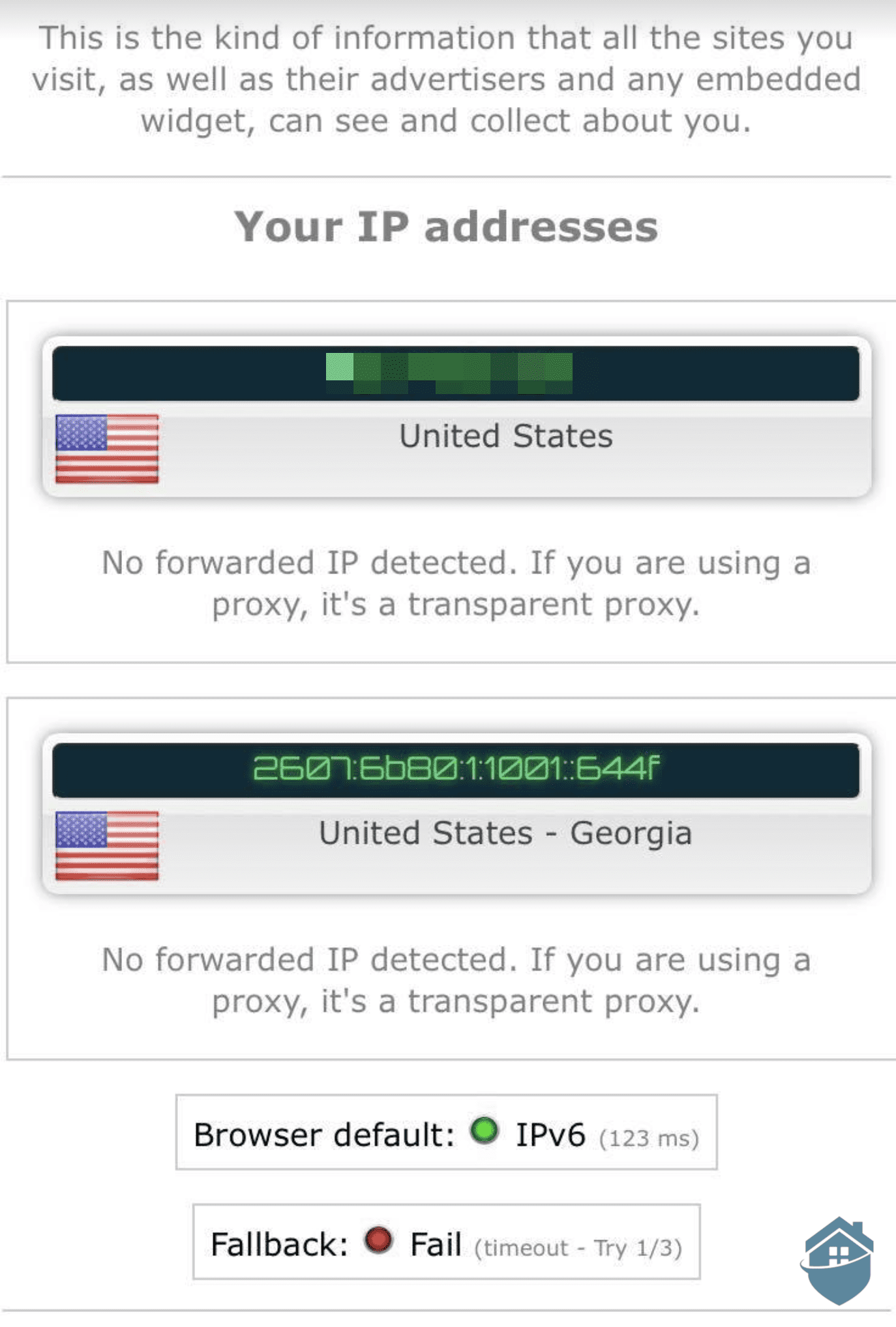
During our tests, the connection speeds impressed us for a bundled VPN service. We maintained about 85 percent of our base internet speed. That let us stream in 4K without buffering on most locations we tried. We also ran it through eight DNS leak tests and 10 IP leak tests to ensure our browsing activity was private. It passed every one of those.
Aura’s VPN passed all of our leak tests.
Aura’s Password Manager
Passwords tend to be the primary point of attack for enterprising identity thieves. A password can unlock an account, which obviously puts that account at risk and other accounts you use that password on. Simply put, you can’t afford to lose a single password.
Aura’s password manager makes sure you don’t. First, it generates a strong, unique password every time you open an account. For most of us, that means lots and lots of passwords. One for Amazon, one for Netflix, one for your bank, one for your gym…you get the idea. Not only does Aura’s password manager generate passwords, but it also stores them securely. You only have to remember one – the one that unlocks the password vault.
Aura: Our Final Verdict
Overall, we loved Aura. Their credit protections are comprehensive, their identity monitoring is robust, and their bonus features — the malware protection, the password manager, and the VPN — put them head and shoulders above most other identity theft protection services we’ve reviewed.
Aura also makes it easy to control your identity protection. The website and app feel sleek and modern with interfaces that are simple to navigate and use. Ultimately, more control over our protections and insights into our vulnerabilities helped us to make better decisions for our overall security.
Even so, not every identity theft protection service is right for every customer. Now that you’re an expert on Aura, we recommend you also check out our complete guide to this year’s best ID theft prevention products before making your final choice.
For individuals Aura costs $15 monthly. For couples, it’ll be $29 per month. For families of five or less, it costs $50 per month. And remember, you can save money if you pay one year in advance.
*The score you receive with Aura is provided for educational purposes to help you understand your credit. It is calculated using the information contained in your TransUnion or Experian credit file. Lenders use many different credit scoring systems, and the score you receive with Aura is not the same score used by lenders to evaluate your credit.
Max Sheridan brings over two decades of writing experience to our team. He has spent 1,000-plus hours researching VPNs, identity theft protection, and various topics in cyber technology. Previously, Max was an investigative journalist, and he is also a published novelist. He earned a B.A. in Classics from the University of Virginia and an M.A. in Classics from the University of Illinois. He currently lives in Nicosia, Cyprus.
 Updated November 25, 2025
copied!
Updated November 25, 2025
copied!